A recommendation for testicle removal surgery can bring fear, uncertainty, and many personal questions. Patients may worry about cancer treatment, pain, fertility, hormone levels, sexual health, recovery time, or surgery costs. Clear medical guidance can make each decision easier to understand.
Orchiectomy in Manila refers to surgery that removes one testicle or both testicles based on a patient’s diagnosis and treatment plan. Doctors may recommend this procedure for testicular cancer, severe trauma, a persistent abscess, chronic pain linked to testicular atrophy, hormone-related care, or another serious condition. Each case requires proper assessment because surgery may not be necessary for every testicular concern.
The Specialists Surgery & Cancer Center, also known as TSSCC, provides surgical assessment and outpatient care at Quezon City locations serving patients from Manila, Metro Manila, nearby provinces, and other parts of the Philippines. Its team supports patients through consultation, surgical planning, the procedure, discharge guidance, and follow-up care.
What Is Orchiectomy?
Orchiectomy is a surgical procedure that removes one or both testicles. A unilateral orchiectomy removes one testicle, while a bilateral orchiectomy removes both. The surgical method depends on the reason for treatment, the affected tissue, cancer concerns, the patient’s general health, and the doctor’s recommendation.
The testicles produce sperm and testosterone. Because of these functions, patients considering Orchiectomy in Manila should receive clear advice about fertility, hormone changes, physical recovery, emotional well-being, and possible treatment after surgery. Such discussions are especially important before bilateral surgery.
Orchiectomy may remove diseased or severely damaged tissue, control certain symptoms, support cancer care, or help meet a specific hormone-management goal. A doctor should explain why surgery is being proposed and whether another treatment may be suitable.
Who May Need Orchiectomy in Manila?
Several medical concerns may lead a doctor to recommend Orchiectomy in Manila. A diagnosis alone does not automatically determine the final surgical plan. Test results, symptoms, age, health history, fertility goals, and specialist advice all matter.
Testicular cancer is one of the most common reasons for orchiectomy. A suspicious lump, swelling, firmness, or change to a testicle may require ultrasound, blood tests, and specialist assessment. When cancer is suspected, removal through the groin may allow the affected testicle and associated tissue to be examined safely.
Severe testicular trauma may also require removal when tissue damage cannot be repaired. Such trauma may result from a road accident, sports injury, workplace incident, or direct blow. Emergency assessment helps doctors determine whether the testicle can be preserved.
A persistent infection or abscess may cause pain, swelling, redness, fever, or discharge. Medication or drainage may resolve many infections, but removal may become necessary when tissue has suffered major damage or symptoms continue despite proper treatment.
Chronic pain linked to testicular atrophy or another serious disorder may lead to surgical discussion after other options have been reviewed. Orchiectomy may also support selected hormone-related treatment plans when recommended by a qualified doctor.
Symptoms That Need Medical Assessment
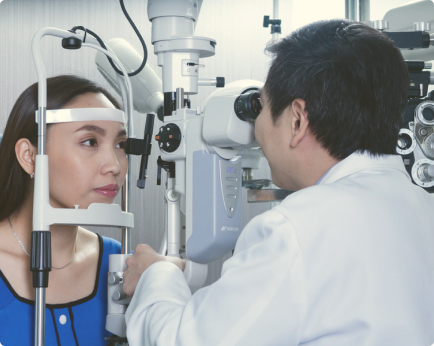
Early assessment matters whenever a testicle changes suddenly or gradually. Patients should seek medical advice for a new lump, swelling, persistent discomfort, unusual firmness, redness, warmth, discharge, or a heavy feeling around the scrotum. A testicle that becomes smaller, changes shape, or remains painful should also be checked.
Sudden severe testicular pain may require urgent care. Such pain can be linked to testicular torsion, a condition that may reduce blood flow and threaten the affected testicle. Prompt treatment may improve the chance of preserving healthy tissue.
People considering Orchiectomy in Manila should avoid self-diagnosis. Similar symptoms may have different causes, and some conditions can be treated without removal. A physical examination plus suitable tests gives the doctor a clearer basis for advice.
Types of Orchiectomy Procedures
Several surgical methods may be discussed based on the medical goal.
A radical inguinal orchiectomy removes the testicle through a cut near the groin. Doctors commonly choose this method when testicular cancer is suspected because it supports proper tissue removal and examination.
A simple orchiectomy usually removes the testicle through a cut at the scrotum. This method may be considered for selected non-cancer conditions or hormone-related treatment plans.
A bilateral orchiectomy removes both testicles. This procedure stops natural sperm production and greatly reduces testosterone production. Fertility preservation and hormone management should therefore be discussed before surgery.
A partial orchiectomy removes abnormal tissue while preserving healthy testicular tissue. This approach applies only to selected cases and depends on the size, location, and nature of the abnormal area.
The surgeon providing Orchiectomy in Manila should explain the proposed method, expected benefits, possible risks, and reasons for choosing that approach.
What Happens Before Orchiectomy Surgery?
Preparation begins with a detailed consultation. The doctor reviews symptoms, medical history, allergies, current medicines, prior operations, and test results. Patients should share all supplements and medicines, especially blood-thinning products, because certain items may affect bleeding risk.
Diagnostic steps may include ultrasound, blood tests, tumour markers, or scans. The required tests vary according to the suspected condition. A person having surgery for trauma may need a different workup from someone being assessed for possible cancer.
Patients should ask whether fasting is required, which medicines may be taken on surgery day, what clothing to wear, and who should provide transport home. Medication should never be stopped unless the medical team gives clear directions.
Fertility planning deserves careful attention. A patient who may want biological children later can ask about semen analysis or sperm banking before Orchiectomy in Manila, especially when both testicles may be removed or additional cancer treatment could affect sperm production.
How Orchiectomy Surgery Is Performed
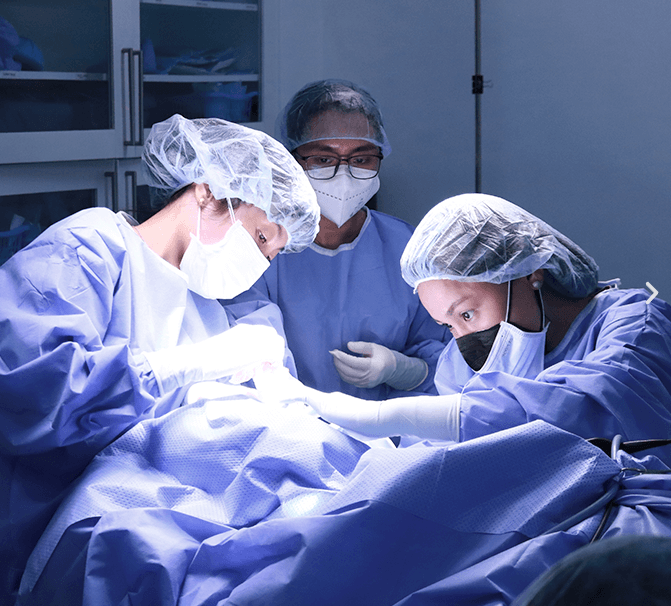
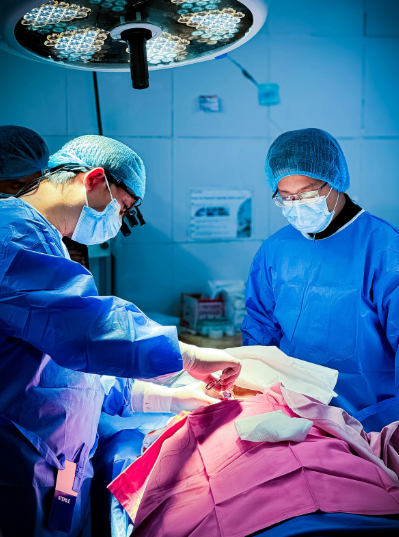
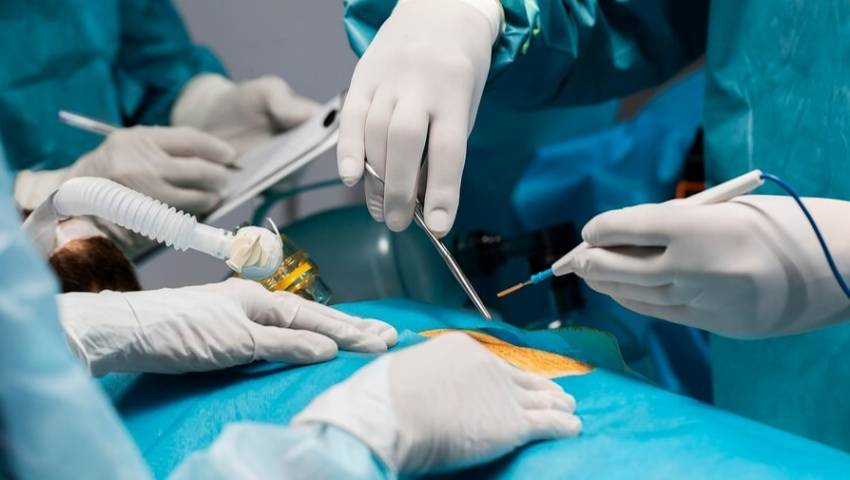
Orchiectomy is performed with anaesthesia selected according to the procedure and the patient’s health. The surgical team prepares the area, makes the planned cut, removes the affected testicle or tissue, controls bleeding, and closes the wound. The removed tissue may be sent for laboratory examination, particularly when cancer is suspected.
Procedure length varies. After surgery, the patient moves to a recovery area for monitoring. Staff check blood pressure, comfort, wound condition, and response to anaesthesia. Pain relief and wound-care directions are provided before discharge.
Selected patients may receive Orchiectomy in Manila through an outpatient setting. Discharge depends on stable vital signs, safe movement, pain control, the ability to drink fluids, and the surgeon’s judgement. Some patients may need hospital care because of health concerns, surgical complexity, or recovery needs.
Recovery After Orchiectomy in Manila
Soreness, mild bruising, swelling, or tightness may occur after surgery. The medical team may recommend prescribed pain relief, cold packs used safely, supportive underwear, wound care, and adequate rest. Patients should follow the exact instructions given by their surgeon.
Heavy lifting, strenuous exercise, cycling, running, and activities that place pressure on the surgical area may need to stop temporarily. Work return depends on healing progress and job demands. Desk-based work may be possible sooner than physically demanding labour.
The wound should remain clean and protected according to medical advice. Patients should not apply creams, powders, herbal products, or home remedies unless approved by the surgeon. Bathing directions may vary according to the dressing and closure method.
Follow-up after Orchiectomy in Manila allows the doctor to assess healing, discuss laboratory results, check pain, review hormone-related concerns, and plan any further treatment. Patients treated for cancer may need referral to another specialist for surveillance or additional care.
Possible Risks and Side Effects
Every operation has possible risks. Orchiectomy risks can include bleeding, infection, bruising, swelling, scar formation, persistent discomfort, wound problems, or a reaction to anaesthesia. Risk levels vary according to the patient’s health, procedure type, diagnosis, and recovery habits.
Removal of one testicle may change body appearance and may affect fertility or hormone production for some patients. Removal of both testicles causes infertility because sperm production stops. Bilateral surgery also causes a major testosterone reduction unless hormone support is medically appropriate.
Patients should seek prompt medical help for heavy bleeding, rapidly growing swelling, severe or worsening pain, fever, pus, bad-smelling discharge, breathing trouble, chest pain, fainting, or difficulty passing urine. The surgeon may provide other warning signs based on the case.
A consultation for Orchiectomy in Manila should cover both common risks and concerns specific to the patient.
Fertility After Orchiectomy
Many patients worry about future fertility. After removal of one testicle, the remaining healthy testicle may continue producing sperm. Fertility may still be affected by the original illness, prior fertility issues, cancer treatment, hormone therapy, age, or the function of the remaining testicle.
After bilateral orchiectomy, natural sperm production ends. Patients who may want biological children should ask about sperm banking before surgery. Such planning may also be useful before chemotherapy or radiation.
Fertility discussions should happen early rather than after the procedure. The team handling Orchiectomy in Manila can explain which questions should be discussed with a fertility specialist and which tests may be appropriate.
Testosterone and Sexual Health
Testosterone supports sex drive, energy, mood, muscle mass, bone health, and other body functions. One healthy testicle may produce enough testosterone after unilateral orchiectomy, though some patients may still develop low levels.
Bilateral orchiectomy causes a substantial drop because both testosterone-producing organs are removed. Possible effects include tiredness, reduced sexual desire, hot flushes, mood changes, weaker muscles, and lower bone density over time. A doctor may discuss hormone treatment when suitable for the patient’s condition.
Orchiectomy does not automatically prevent sexual activity. Healing time, comfort, hormone levels, emotional health, cancer treatment, and other medical factors may affect sexual function. Patients should wait for medical clearance before resuming sexual activity.
Honest questions during a consultation for Orchiectomy in Manila can help patients prepare for possible changes without shame or embarrassment.
Emotional Well-Being and Body Image
Testicle removal may affect self-confidence, identity, relationships, or body image. Fear, sadness, grief, anger, and anxiety can occur before or after surgery. These feelings are valid and deserve respectful support.
Some patients may consider a testicular prosthesis for cosmetic balance. A prosthesis does not replace sperm or hormone function, but it may help with body appearance. Suitability, timing, risks, and personal preference should be discussed with the surgeon.
Support from a partner, trusted family member, counsellor, or patient group may help. TSSCC’s patient-focused approach aims to give clear explanations and respectful guidance throughout care for Orchiectomy in Manila.
Why Choose TSSCC for Orchiectomy in Manila?
The Specialists Surgery & Cancer Center serves Filipino patients through focused surgical care at Quezon City clinics. Its doctors assess each case, explain treatment options, and prepare a surgical plan based on diagnosis and patient needs.
TSSCC offers an outpatient alternative for suitable procedures. This model may reduce unnecessary hospital stays, long waiting periods, and avoidable exposure to hospital-based infection risks. Suitability still depends on surgeon approval and patient safety.
Affordability also matters for Filipino families. TSSCC aims to make quality surgical care more accessible so patients can seek assessment and treatment without unnecessary delay. Costs depend on consultation needs, tests, procedure type, anaesthesia, medicines, laboratory work, and follow-up care.
TSSCC supports patients from consultation through recovery. Care may include pre-surgery guidance, procedure preparation, discharge instructions, wound review, result discussion, and coordination with other specialists when needed.
Clinic locations along East Avenue and at Fairview, Quezon City, provide access for people coming from Manila, other Metro Manila cities, Bulacan, Rizal, and nearby areas. Patients seeking Orchiectomy in Manila can ask TSSCC about available consultation schedules, required records, and suitable clinic location.
Questions to Ask Before Surgery
Patients can prepare a written list before meeting the doctor. Helpful questions include:
Why is orchiectomy recommended for my condition?
Will one testicle or both testicles be removed?
Which surgical method will be used?
What tests must be completed before surgery?
Could the procedure affect fertility or testosterone?
Should I consider sperm banking?
How long should I avoid work, exercise, driving, or sexual activity?
What symptoms require urgent medical help?
Will I need cancer treatment or hormone care afterward?
Can a testicular prosthesis be considered?
Clear answers help patients make an informed choice about Orchiectomy in Manila and prepare for recovery.
Preparing for Surgery Day
Patients should follow fasting, medicine, and arrival instructions from the surgical team. Loose clothing can reduce pressure around the surgical area after discharge. A responsible adult should usually accompany the patient and provide transport because anaesthesia may affect alertness and coordination.
Medical records, laboratory results, imaging reports, allergy details, and a current medicine list should be brought when requested. Patients should also prepare a clean resting space at home, easy meals, prescribed medicines, supportive clothing, and emergency contact details.
Questions about payment, coverage, package details, or follow-up costs should be discussed before surgery. Clear financial information helps families plan care for Orchiectomy in Manila without last-minute confusion.
When to Seek Medical Help After Orchiectomy
Patients should contact the medical team when pain becomes severe, swelling grows quickly, the wound opens, bleeding does not stop, fever develops, or discharge appears. Trouble urinating, shortness of breath, chest pain, fainting, or severe weakness requires urgent assessment.
Minor discomfort can be expected, but symptoms should generally improve rather than worsen. Each patient receives recovery directions based on the procedure. Those directions should take priority over general online advice.
Orchiectomy in Manila at The Specialists Surgery & Cancer Center
A recommendation for orchiectomy deserves careful discussion, respectful care, and a clear treatment plan. Patients should understand why surgery is advised, what type may be performed, how recovery may progress, and how fertility or hormone health could be affected.
The Specialists Surgery & Cancer Center provides assessment and surgical support for patients seeking Orchiectomy in Manila, Quezon City, Metro Manila, and nearby provinces. Its outpatient focus, accessible locations, cost-conscious approach, and doctor-guided care offer a practical option for suitable patients.
People with a testicular lump, persistent pain, serious injury, chronic infection, or another concerning symptom should seek medical assessment. Early evaluation can clarify the cause and help the doctor recommend the safest next step.
Frequently Asked Questions About Orchiectomy in Manila
Is orchiectomy considered major surgery?
Orchiectomy is a significant operation because it removes one or both testicles. Complexity depends on the surgical method, diagnosis, patient health, and whether additional treatment is needed. The surgeon can explain the expected scope for each case.
Can Orchiectomy in Manila be performed as an outpatient procedure?
Selected patients may have outpatient surgery and return home after recovery monitoring. The decision depends on procedure type, health status, anaesthesia response, home support, and surgeon approval.
How long does recovery take?
Recovery time varies. Many patients need a period of rest plus temporary limits on lifting, exercise, driving, and sexual activity. The surgeon should provide a personal recovery schedule.
Will removal of one testicle cause infertility?
Not always. A healthy remaining testicle may continue producing sperm, but fertility depends on many factors. Patients with future family plans should discuss testing or sperm banking before surgery.
What happens after both testicles are removed?
Natural sperm production stops, and testosterone levels fall greatly. Patients should discuss fertility preservation and possible hormone management before bilateral surgery.
Can sexual activity continue after orchiectomy?
Many patients can resume sexual activity after healing and medical clearance. Hormone levels, comfort, emotional health, and other treatments may affect sexual function.
Is orchiectomy only used for cancer?
No. Doctors may also recommend it for severe trauma, persistent infection, major tissue damage, chronic pain linked to testicular atrophy, or selected hormone-management needs.
Can a testicular prosthesis be placed?
A prosthesis may be an option for selected patients who want cosmetic balance. The surgeon can discuss timing, benefits, risks, and suitability.
What should patients bring to a consultation?
Patients should bring medical records, imaging results, laboratory reports, medicine lists, allergy details, and questions about fertility, hormones, recovery, costs, and follow-up care.
Where can patients ask about Orchiectomy in Manila?
Patients may contact The Specialists Surgery & Cancer Center for assessment at its East Avenue or Fairview location at Quezon City. The team can provide consultation guidance, test requirements, scheduling details, and surgery information based on each patient’s condition.