Foot necrosis is a serious condition in which tissue within the foot dies because it has experienced severe damage, inadequate blood supply, infection, or another significant medical problem. It can affect a small area, such as a toe or patch of skin, or extend into deeper tissues depending on the underlying cause. Although the condition can sometimes develop gradually, certain forms of tissue damage can progress quickly and require urgent medical attention. People may notice changes such as unusual skin color, persistent wounds, swelling, coldness, numbness, or changes in sensation. Diabetes and circulation disorders are important risk factors, but they are not the only conditions associated with tissue death in the foot. Understanding how foot necrosis develops can help readers recognize warning signs and understand why timely medical evaluation matters. Because treatment depends on the underlying cause, suspected foot necrosis should be assessed by a qualified healthcare professional rather than managed through self-treatment.
What Is Foot Necrosis?
Foot necrosis occurs when cells and tissues within part of the foot die because the damage has become irreversible. Living tissue depends on adequate oxygen and nutrients, which are delivered through a healthy blood supply. When circulation becomes severely restricted, cells may become injured and eventually die if adequate blood flow is not restored. Tissue can also become necrotic following severe trauma, infection, prolonged pressure, or other forms of extensive damage. The condition may involve the skin and soft tissues or extend into muscles and deeper structures in more advanced situations. The appearance of necrotic tissue can vary depending on whether the primary problem is reduced blood flow, infection, injury, or a combination of factors. Since similar symptoms can occur with different medical conditions, an accurate diagnosis is important before treatment is selected.
How Blood Flow Affects the Health of the Foot
Adequate blood circulation is essential for keeping foot tissue alive and supporting the body’s ability to repair injuries. Blood supplies oxygen, nutrients, immune cells, and other substances required for normal cellular activity. When circulation is reduced, even a small wound may take considerably longer to heal. Severe arterial narrowing or blockage can deprive the tissues of oxygen and eventually cause irreversible damage. Poor circulation can also make it more difficult for the immune system to respond effectively to infections in the affected area. People with vascular disease may therefore develop serious foot problems without realizing how closely their symptoms are related to circulation. Identifying circulation problems early can give healthcare professionals an opportunity to address the underlying vascular condition and reduce the risk of further tissue damage.
Conditions That Can Cause Foot Necrosis
Foot necrosis can result from several different conditions, making it important to identify the underlying cause rather than focusing only on the visible tissue changes. Peripheral artery disease can limit blood flow to the lower extremities and reduce oxygen delivery to the feet. Diabetes can contribute through a combination of nerve damage, circulation problems, and impaired wound healing. Severe infections can destroy tissue directly and may spread into deeper areas if treatment is delayed. Major trauma can damage blood vessels and tissue simultaneously, potentially leaving an area without sufficient blood supply. Blood clots may also interfere with circulation and cause sudden tissue damage in some circumstances. Other possible contributors include severe pressure, untreated ulcers, extreme cold exposure, and conditions that significantly compromise circulation or tissue health.
Why Diabetes Increases the Risk of Serious Foot Problems
People with diabetes may face a higher risk of severe foot complications because the disease can affect both nerves and blood vessels. Diabetic neuropathy can reduce the ability to recognize pain, pressure, heat, or minor injuries. This means that a person may continue putting weight on a damaged area without realizing that the injury is becoming worse. Diabetes can also contribute to changes in blood vessels that interfere with circulation and healing. A small wound may therefore remain open longer than expected and provide an opportunity for bacteria to enter. If an infection develops in tissue that already has poor circulation, the resulting damage can become more difficult to manage. Routine foot inspections and appropriate medical care are especially important for people with diabetes because early detection can help prevent minor problems from becoming severe complications.
Recognizing Possible Symptoms
The symptoms of foot necrosis can differ from one person to another, depending on how much tissue is affected and what caused the damage. A noticeable change in skin color can be an important warning sign, particularly when an area becomes unusually pale, bluish, purple, gray, or black. The affected portion of the foot may feel colder than the surrounding tissue when blood flow is severely compromised. Pain can occur, but numbness or reduced sensation may also be present, particularly in people with nerve damage. Persistent sores, swelling, blisters, drainage, skin breakdown, or unusual odors can indicate that a wound requires professional evaluation. A wound that continues to worsen rather than heal normally should not be ignored. Sudden or rapidly progressing changes are especially concerning and may require urgent medical assessment.
Understanding the Relationship Between Necrosis and Gangrene
Gangrene refers to tissue death that can develop when blood supply is severely reduced, infection damages tissue, or both problems occur together. Because of this, gangrene and foot necrosis can be closely related, although the terms are not always used interchangeably in every clinical situation. Dry gangrene is commonly associated with severely reduced circulation and may cause affected tissue to become dry, dark, and shriveled. Wet gangrene involves tissue death along with infection and may result in swelling, drainage, and rapidly progressing tissue destruction. Gas gangrene is associated with certain bacterial infections that can produce gas within damaged tissue and represents a particularly serious medical emergency. The presence of gangrene or extensive necrosis requires professional assessment because the condition can worsen rapidly. Prompt medical care is particularly important when tissue changes are accompanied by infection, severe pain, swelling, or systemic symptoms.
Risk Factors to Know
Several factors can increase the likelihood of developing severe tissue damage in the foot. Diabetes is one of the most important because it can affect sensation, circulation, and wound healing. Peripheral artery disease can also significantly increase risk by limiting the amount of blood reaching the lower extremities. Tobacco use may contribute to vascular problems and impair the body’s ability to heal damaged tissue. People with previous foot ulcers or serious infections may also require closer monitoring. Severe injuries, prolonged pressure, reduced mobility, and certain circulation disorders can create additional risks. Recognizing these factors can help people understand why some individuals require more frequent foot examinations and more aggressive attention to seemingly minor injuries.
How Healthcare Professionals Identify Foot Necrosis
Diagnosis begins with a physical examination and a detailed review of the person’s symptoms and medical history. A healthcare professional may examine the skin for changes in color, temperature, texture, swelling, wounds, and other visible abnormalities. The pulses in the foot and leg may be checked to assess circulation, while sensation testing can help identify possible nerve damage. When reduced blood flow is suspected, tests such as an ankle-brachial index or Doppler ultrasound may be used to evaluate circulation. Blood tests can provide information about infection or other conditions affecting the patient’s health. Imaging studies may be recommended when deeper infection, bone involvement, or extensive tissue damage is suspected. A complete assessment helps determine whether the primary issue involves circulation, infection, trauma, diabetes-related complications, or another medical condition.
Treatment Depends on the Underlying Cause
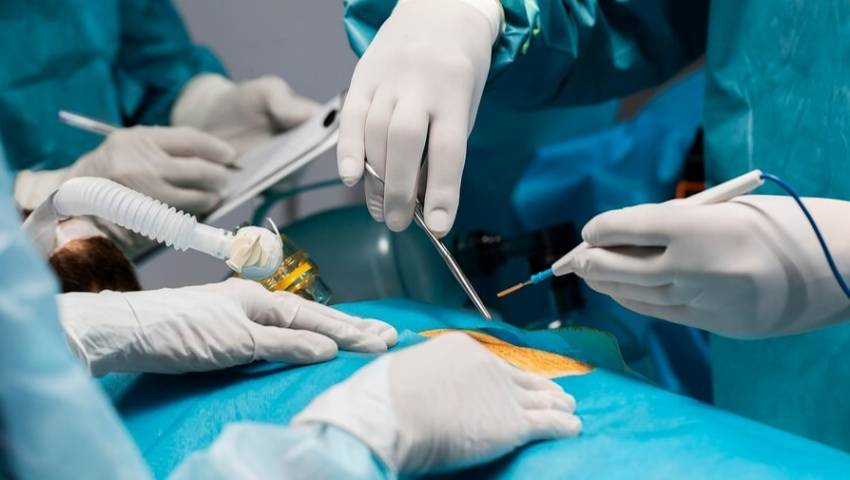
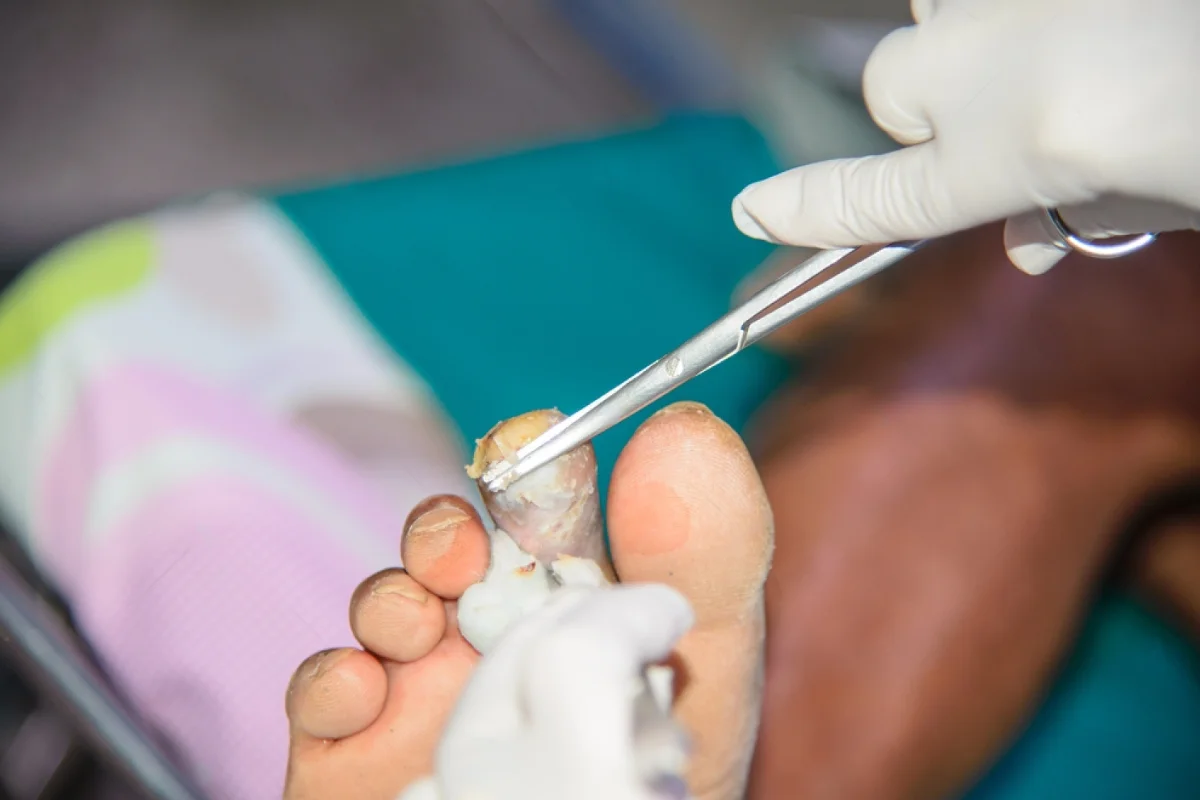
There is no single treatment that applies to every case of foot necrosis because tissue death can result from very different medical problems. When infection is present, healthcare professionals may use antibiotics or other appropriate treatments based on the suspected or identified infection. Wound care may be needed to protect the affected area and support the management of surrounding tissue. Debridement may be performed when dead or severely damaged tissue needs to be removed. If inadequate circulation is responsible, treatment may focus on improving blood flow and managing the vascular condition. Diabetes-related problems may require careful management of blood glucose and other contributing factors. Severe cases may require surgical intervention when extensive tissue damage or uncontrolled infection threatens the health of the foot or the patient.
Why Treating the Underlying Problem Matters
Managing only the visible portion of a damaged foot may not be enough if the condition responsible for tissue death remains untreated. For example, covering a wound cannot correct an artery that is severely restricting blood flow. Similarly, cleaning an infected wound without appropriate medical treatment may not control a deeper infection. Healthcare professionals need to determine what is preventing the tissue from remaining healthy or healing normally. Addressing circulation problems, infection, diabetes-related complications, pressure, or trauma can therefore be an essential part of treatment. The condition of surrounding tissue also needs to be considered because healthy tissue may still be at risk when the underlying problem continues. A comprehensive approach allows treatment to focus on both the damaged area and the factors that caused the damage.
Wound Care and Protection for Vulnerable Feet
People with diabetes, circulation problems, or reduced sensation often need to take additional precautions when caring for their feet. A wound should be protected according to the instructions provided by a healthcare professional. Cleaning and dressing recommendations may vary depending on the type, depth, location, and condition of the wound. Pressure and friction can interfere with healing, so healthcare professionals may recommend ways to reduce stress on vulnerable areas. Individuals should avoid applying harsh substances or unapproved products to serious wounds because these may irritate tissue or delay appropriate treatment. Changes in drainage, odor, swelling, redness, wound size, or skin color should be reported promptly. Proper wound care should be viewed as part of a broader medical plan rather than a substitute for treating the underlying condition.
When Foot Changes Require Urgent Attention
Certain changes in the foot should never be dismissed, especially when they develop suddenly or become progressively worse. Rapidly spreading discoloration can indicate significant tissue damage or a serious circulation problem. Blackened tissue, sudden severe pain, sudden numbness, or an unusually cold foot can also be concerning signs. Increasing swelling, pus, foul-smelling drainage, or rapidly spreading redness may suggest a serious infection. Systemic symptoms such as fever, chills, confusion, severe weakness, or feeling extremely unwell can indicate that an infection is affecting the body more broadly. People with diabetes or significant vascular disease should be particularly cautious because they may not experience typical pain or other warning symptoms. When severe or rapidly worsening symptoms occur, seeking urgent or emergency medical care is safer than waiting to see whether the condition improves.
Daily Habits That Support Healthier Feet
Consistent foot care can help people identify potential problems before they become severe. Inspecting the feet each day can reveal cuts, blisters, cracks, swelling, redness, bruising, or changes in skin color. Properly fitting footwear can help reduce friction and pressure that may contribute to skin breakdown. People with reduced sensation should take extra care to protect their feet from hot surfaces, sharp objects, and other potential sources of injury. Walking barefoot may increase the risk of cuts or punctures and should be avoided when it is unsafe or when a healthcare professional has advised against it. People with diabetes should follow their prescribed management plan and attend recommended medical appointments. These habits cannot eliminate every risk, but they can support early recognition and appropriate management of problems that could otherwise become more serious.
Checking Your Feet for Early Changes
A daily foot check can be particularly useful for people who have diabetes or circulation problems. Begin by looking at the tops, bottoms, sides, heels, and spaces between the toes. Look for areas of redness, swelling, cracking, blistering, drainage, bruising, or unusual discoloration. Compare both feet for differences in temperature, appearance, and swelling. Pay attention to changes in sensation, including numbness, tingling, burning, or an unexpected loss of feeling. A mirror can be used to inspect areas that are difficult to see directly. If a concerning change is found, especially one that persists or worsens, professional medical advice should be sought rather than relying on home observation alone.
Preventing Severe Foot Complications
Preventing foot necrosis involves addressing the factors that can damage tissue or interfere with healing. People with diabetes can reduce risk by following their healthcare professional’s recommendations for blood glucose management and foot care. Individuals with circulation problems should receive appropriate medical evaluation and follow recommended treatment plans. Protecting the feet from injuries is also important, particularly for people with reduced sensation. Footwear should provide adequate protection and fit without causing excessive pressure or rubbing. Tobacco avoidance can support healthier circulation and reduce factors that interfere with wound healing. Most importantly, wounds and unusual changes should be addressed promptly rather than being ignored until they become painful or visibly severe.
Frequently Asked Questions About Foot Necrosis
What exactly is foot necrosis?
Foot necrosis means that tissue in part of the foot has died because of severe damage, inadequate blood supply, infection, or another underlying medical problem. It may affect superficial tissue or extend deeper depending on its cause. The condition can be associated with serious complications when it progresses. Professional assessment is necessary to determine the underlying cause.
What are common signs of foot necrosis?
Possible signs include significant changes in skin color, persistent wounds, coldness, swelling, numbness, severe pain, drainage, or changes in skin texture. Dark or black tissue can be particularly concerning. However, these symptoms can have different causes and do not establish a diagnosis on their own. A healthcare professional should evaluate suspicious changes.
Can poor circulation cause tissue death in the foot?
Yes, severely restricted blood flow can deprive foot tissue of oxygen and nutrients. If the circulation problem is significant and persists, tissue can become damaged and eventually die. Peripheral artery disease is one possible cause of reduced circulation. Medical evaluation can determine whether a vascular problem is contributing to the condition.
Is foot necrosis related to diabetes?
Diabetes can increase the risk of serious foot complications through nerve damage, circulation problems, and impaired healing. Reduced sensation can allow injuries to go unnoticed. A wound that remains untreated can become infected and potentially cause extensive tissue damage. Regular foot checks are especially important for people with diabetes.
Can foot necrosis heal without treatment?
Dead tissue cannot return to its previous living state, and the underlying cause generally requires appropriate medical attention. Treatment may help protect surrounding healthy tissue and address infection, circulation problems, or other contributing conditions. Some damaged tissue may be capable of recovery if treated before irreversible tissue death occurs. The appropriate approach depends on the individual’s medical condition.
Is black skin on the foot always necrosis?
No, black or darkened skin can have multiple possible causes. However, sudden or unexplained black discoloration can be a serious warning sign, particularly when accompanied by pain, numbness, coldness, swelling, or a wound. It should not automatically be assumed to be a bruise. Medical evaluation is appropriate when significant discoloration develops.
When is foot necrosis an emergency?
Rapidly worsening tissue discoloration, blackened tissue, severe pain, sudden numbness, severe swelling, foul-smelling drainage, or signs of serious infection can require urgent medical attention. Fever, chills, confusion, and severe weakness may also indicate a serious systemic infection. People with diabetes or significant circulation problems should be especially cautious. Emergency care may be necessary when symptoms are severe or progressing rapidly.
How can the risk of foot necrosis be reduced?
Regular foot inspections, appropriate footwear, injury prevention, proper management of diabetes and circulation problems, and prompt treatment of wounds can reduce risk. Avoiding tobacco can also support vascular health. People with known risk factors should follow the foot-care recommendations provided by their healthcare professionals. Early recognition remains one of the most useful ways to prevent minor foot problems from becoming severe.
Takeaway
Foot necrosis involves the death of tissue within the foot and can develop because of severe circulation problems, infection, trauma, diabetes-related complications, or other conditions. Recognizing unusual changes early is important because some causes can progress quickly. Discoloration, persistent wounds, swelling, coldness, numbness, drainage, and changes in skin texture should receive appropriate attention. People with diabetes and circulation disorders may be particularly vulnerable because nerve damage can hide injuries while poor blood flow can interfere with healing. Treatment is based on the underlying cause and may involve wound management, infection control, circulation treatment, removal of dead tissue, or surgery in severe situations. Good daily foot care can help people recognize problems earlier, but it cannot replace professional medical evaluation when serious symptoms appear. If a foot becomes rapidly discolored, cold, swollen, severely painful, numb, or infected, prompt medical attention is essential.