Blurred vision, glare, reduced side vision, frequent prescription changes, or difficulty seeing at night can affect daily tasks, safety, and comfort. Many eye problems develop slowly, so people may not notice them until vision has already changed. Eye clinic technology in Bicol helps ophthalmologists examine eye structures, measure visual function, detect possible disease, and plan suitable care based on each patient’s needs.
Lee Tan Eye Clinic provides comprehensive ophthalmology, cataract surgery, glaucoma care, plus plastic, lacrimal, and orbit services. The clinic is led by Dr. Lee Tan, a board-certified ophthalmologist and experienced eye surgeon with advanced fellowship education focused on glaucoma at the University of the Philippines–Philippine General Hospital. His approach centres on prevention, early detection, careful assessment, and patient-specific care.
Technology plays a valuable role throughout this process. Yet equipment alone cannot replace medical judgment. A skilled ophthalmologist must review every image, measurement, symptom, and health detail before recommending observation, medicine, laser care, or surgery.
What Eye Clinic Technology in Bicol Means for Patients
Eye clinic technology in Bicol refers to equipment and methods used during eye examinations, diagnostic testing, treatment planning, surgical procedures, and follow-up care. These tools may measure visual sharpness, eye pressure, corneal thickness, side vision, lens clarity, retinal health, and optic nerve condition.
Each result adds one part to a larger clinical picture. A pressure reading may appear acceptable, yet optic nerve findings could still require closer review. A patient may read letters clearly on a chart but still have side-vision loss. Another patient may report glare or cloudy sight even when central vision seems fair under bright clinic lighting.
That is why a complete assessment often combines several tests. The ophthalmologist considers age, symptoms, family history, health conditions, previous eye procedures, medications, and lifestyle demands. Eye clinic technology in Bicol supports this careful process by providing detailed data that can be compared across future visits.
Why Modern Eye Care Matters for Bicol Communities
Access to specialist eye care closer to home can make regular testing and follow-up more practical for families across the region. Travel to distant medical centres may take time, cost more, and discourage patients from returning for repeat checks. Local access may help people complete required monitoring with fewer disruptions to work, school, or family duties.
Eye clinic technology in Bicol is especially helpful for patients with glaucoma risk, cataracts, diabetes, high blood pressure, prior eye surgery, or a family history of eye disease. Several eye conditions may cause little or no discomfort during early stages. Regular examinations may identify warning signs before major visual disability occurs.
Preventive care remains central to Lee Tan Eye Clinic’s philosophy. Dr. Tan believes screening and early detection may reduce the need for more extensive intervention later. Technology supports that goal by creating measurable records of eye pressure, optic nerve structure, visual field performance, lens changes, and other findings.
Technology Used During a Comprehensive Eye Examination
A comprehensive eye visit usually begins with a discussion about symptoms, medical history, current medicines, past procedures, and family eye conditions. Basic measurements then help establish how well each eye functions.
Visual acuity testing checks how clearly a person sees at distance and near. Results may point toward refractive errors, cataracts, retinal issues, or other concerns that need added assessment. This test offers a starting point, but it does not provide a complete picture of eye health.
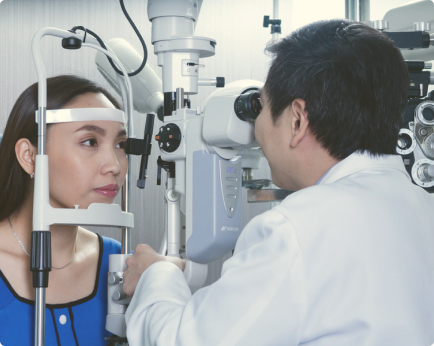
A slit-lamp examination gives the ophthalmologist a magnified view of the eyelids, tear film, cornea, iris, lens, and front portion of the eye. Such examination can help identify cataracts, corneal changes, inflammation, dry eye signs, or eyelid concerns.
Tonometry measures pressure inside the eye. Eye pressure matters during glaucoma assessment, but one reading cannot confirm or rule out glaucoma by itself. Pressure can vary, and optic nerve damage may occur even when readings fall within expected ranges.
A dilated eye examination allows a broader view of the retina and optic nerve. Dilation may temporarily blur near vision or cause light sensitivity, but it helps the doctor examine areas that are difficult to assess through a small pupil.
Together, these methods show how eye clinic technology in Bicol supports a more complete and organised eye health review.
Glaucoma Testing and Monitoring Technology
Glaucoma describes a group of eye conditions that can damage the optic nerve. Vision loss caused by glaucoma cannot usually be restored, so early detection and regular monitoring carry great value. Many patients do not notice symptoms during early stages because central vision may remain clear while side vision slowly changes.
Eye clinic technology in Bicol may support glaucoma care through several forms of testing. Eye pressure measurement is one part. The ophthalmologist may also examine the optic nerve, evaluate drainage angles, measure corneal thickness, assess side vision, and compare structural images over time.
Optical coherence tomography, often called OCT, creates detailed cross-sectional images of the retina and optic nerve area. It can measure nerve fibre thickness and help identify structural change. Repeat scans may help show whether a condition appears stable or progressing.
Visual field testing measures areas a person can see while looking straight ahead. The patient responds when small lights appear at different locations. This test can identify patterns of side-vision loss linked with glaucoma and may be repeated to track change.
Gonioscopy allows the ophthalmologist to view the eye’s drainage angle. This helps classify glaucoma type and guides care planning. Pachymetry measures corneal thickness, which may affect how eye pressure readings are interpreted.
Optic nerve photography may create a visual record for future comparison. No single glaucoma test gives every answer, so Dr. Tan may combine findings based on each patient’s condition and risk level.
Cataract Assessment and Surgical Technology
A cataract develops when the natural lens of the eye becomes cloudy. Common symptoms include blurred sight, faded colours, glare, halos, poor night vision, or frequent changes to eyeglass prescriptions. Cataract symptoms may affect reading, driving, cooking, work, and other routine activities.
Eye clinic technology in Bicol supports cataract assessment by helping the ophthalmologist examine lens clarity and determine whether another eye condition may also affect vision. A slit-lamp examination shows the location and degree of lens clouding. Vision testing helps measure how much daily sight has changed.
When cataract surgery becomes suitable, ocular biometry may measure key dimensions of the eye. These measurements support calculation of the artificial lens power needed after removal of the cloudy natural lens. Accurate assessment matters because eye shape and length differ from one person to another.
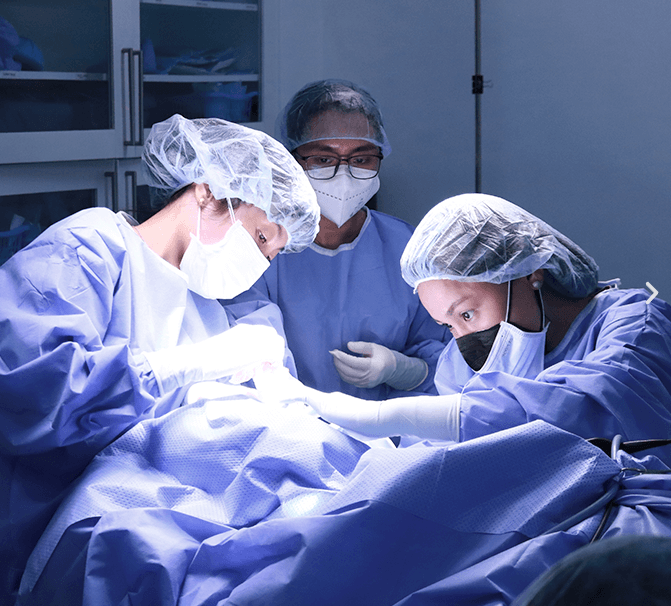
During cataract surgery, the cloudy lens is removed and replaced with a clear artificial lens called an intraocular lens. Phacoemulsification technology may break the cloudy lens material into small pieces before removal. Surgical microscopy gives the eye surgeon a magnified view throughout the procedure.
Lens selection depends on eye measurements, overall eye health, visual goals, daily activities, and medical advice. Some patients may still need glasses after surgery. Clear discussion before the procedure helps set realistic expectations.
Technology for Plastic, Lacrimal, and Orbit Care
Eye care also covers structures surrounding the eyeball. Eyelid position, tear drainage pathways, and tissues around the eye can affect comfort, protection, appearance, and visual function.
Lee Tan Eye Clinic provides plastic, lacrimal, and orbit services for suitable cases. Assessment may involve magnified examination, tear drainage evaluation, photographs, or imaging requested through an appropriate diagnostic centre. The exact approach depends on symptoms and clinical findings.
Drooping eyelids, blocked tear ducts, eyelid growths, excessive tearing, or swelling around the eye may require careful review. Eye clinic technology in Bicol supports documentation and treatment planning, while specialist judgment determines whether observation, medicine, minor procedures, or surgery may be appropriate.
How Technology Supports Personalised Eye Care
Two patients with the same diagnosis may need different care plans. Age, disease stage, other health conditions, visual goals, occupation, access to follow-up, and response to prior treatment can affect medical decisions.
Eye clinic technology in Bicol gives Dr. Tan measurable information that may guide a stepwise care plan. A patient with mild and stable findings may need observation plus regular checks. Another patient may require eye drops, laser treatment, or surgery. Cataract care may depend on how much cloudy vision affects daily life rather than lens appearance alone.
Repeat testing also matters. One scan or pressure reading gives information from a single visit. A series of results may show whether the eye remains stable or whether change is occurring. This comparison can help guide timing, frequency of follow-up, and treatment adjustments.
Patient-centred care also means explaining results clearly. Images and test reports can help patients understand what the doctor sees, why monitoring matters, and what steps may come next.
Eye Clinic Technology and Preventive Eye Care
Prevention does not always mean stopping every eye condition before it starts. It may also mean finding a problem early, slowing further damage, protecting useful vision, or reducing avoidable complications.
People with diabetes may need regular retinal checks. Those with glaucoma risk may need pressure, optic nerve, and visual field assessment. Older adults may benefit from cataract evaluation and checks for other age-related eye changes. Children or younger adults may also need specialist care when symptoms, injury, family history, or unusual findings are present.
Eye clinic technology in Bicol supports baseline testing. A baseline creates a reference point for future comparison. When later results differ, the ophthalmologist can assess whether the change is meaningful and whether care should be adjusted.
Patients should not wait for severe vision loss before booking an eye examination. Sudden vision change, eye pain, flashes, many new floaters, eye injury, marked redness, or rapid loss of side vision may require urgent medical attention.
What Patients May Expect During a Technology-Assisted Eye Visit
A visit usually starts with questions about visual concerns, symptom duration, past eye care, family history, medicines, and general health. Staff may check visual acuity and complete basic measurements before the ophthalmologist’s examination.
Eye pressure may be measured when appropriate. The doctor may use a slit lamp to examine the front structures of the eye. Pupil dilation may be recommended for a clearer view of the retina and optic nerve.
Added tests depend on what the examination shows. A patient suspected of glaucoma may need OCT, visual field testing, gonioscopy, or pachymetry. A patient preparing for cataract surgery may need biometry and other preoperative checks.
Not every patient needs every test. Eye clinic technology in Bicol should be selected according to medical need rather than used as a standard package for all visitors. After testing, the ophthalmologist reviews the findings, explains the likely diagnosis, and discusses a care or follow-up plan.
Questions Patients Can Ask About Eye Tests
Patients have every right to understand why a test has been recommended. Useful questions may include: What does this test measure? How will the result affect my care? Will my pupils be dilated? Can I drive afterward? Will the test need to be repeated? What symptoms should prompt an earlier visit?
Clear communication helps patients take part during care decisions. It may also reduce worry about unfamiliar equipment. Most eye tests are quick and cause little discomfort, though bright lights, temporary blur, light sensitivity, or brief contact may occur.
Eye clinic technology in Bicol becomes more valuable when patients understand its purpose and follow the recommended review schedule.
Choosing an Eye Clinic That Combines Technology and Specialist Care
Modern equipment is useful, but the person interpreting the results matters just as much. Patients should look for care led by a qualified ophthalmologist who can connect test findings with symptoms, examination results, medical history, and treatment goals.
Glaucoma cases may benefit from a doctor with subspecialty education focused on optic nerve disease, pressure management, and long-term monitoring. Cataract care requires accurate measurements, surgical skill, suitable lens planning, and careful postoperative review.
Lee Tan Eye Clinic is led by Dr. Lee Tan, a board-certified ophthalmologist with glaucoma fellowship education at UP–PGH. He completed medical studies at the UP College of Medicine and ophthalmology residency at UP–PGH. After five years of general ophthalmology practice, he pursued added glaucoma education to support patients requiring more focused care.
Technology-supported care at Lee Tan Eye Clinic works alongside preventive care, precise assessment, and treatment plans shaped around each patient’s visual needs.
Why Patients Consider Lee Tan Eye Clinic
Lee Tan Eye Clinic offers a broad set of ophthalmological services for patients across Bicol. These include comprehensive ophthalmology, cataract surgery, glaucoma care, plus plastic, lacrimal, and orbit services.
Dr. Tan’s care philosophy places strong focus on screening, prevention, and early detection. His stepwise management approach aims to preserve visual function, reduce disability, and avoid unnecessary intervention whenever suitable.
Patients also benefit from continuity. Eye conditions such as glaucoma often require years of monitoring. Cataract care includes assessment, surgery planning, postoperative checks, and ongoing eye health review. A clinic that keeps clear records and compares test results over time can support better long-term decisions.
Eye clinic technology in Bicol helps make those records more detailed, but compassionate communication remains equally important. Patients deserve clear explanations, realistic expectations, and enough time to ask questions.
Common Misunderstandings About Eye Care Technology
One common belief is that normal eye pressure means glaucoma is absent. That is not always true. Some people may develop optic nerve damage despite pressure readings that appear typical. A fuller assessment may be needed.
Another belief is that clear central vision proves the eyes are healthy. Some eye diseases affect side vision first or cause structural changes before patients notice obvious symptoms.
Some patients also assume every modern test must be completed at each visit. Testing should match the medical concern. Unnecessary testing adds cost and may not improve care.
Cataract surgery also does not guarantee perfect sight without glasses. Results depend on eye health, artificial lens choice, healing, and other conditions affecting vision.
Eye clinic technology in Bicol supports better decisions, but it should always be paired with proper interpretation and honest discussion.
Better Vision Care Through Eye Clinic Technology in Bicol
Modern eye care depends on more than a single chart reading or pressure check. Detailed examinations, structural scans, visual field tests, cataract measurements, surgical equipment, and follow-up records can help ophthalmologists detect problems, plan care, and track change.
Lee Tan Eye Clinic combines these principles with Dr. Lee Tan’s education, surgical experience, glaucoma focus, and commitment to preventive and patient-specific ophthalmologic care. Patients across Bicol can seek assessment for general eye concerns, cataracts, glaucoma, eyelid problems, tear drainage concerns, and orbit-related conditions.
Eye clinic technology in Bicol offers the greatest value when patients seek care early, return for advised monitoring, and work closely with a qualified ophthalmologist. Clear explanations, accurate testing, and careful follow-up can support better visual function and safer long-term eye care.
Frequently Asked Questions About Eye Clinic Technology in Bicol
What technology may be used during a comprehensive eye examination?
A comprehensive examination may include visual acuity testing, slit-lamp examination, eye pressure measurement, pupil dilation, retinal assessment, and added diagnostic tests based on symptoms or findings.
How can eye clinic technology help detect glaucoma?
Glaucoma assessment may combine eye pressure checks, optic nerve examination, OCT scans, visual field testing, gonioscopy, pachymetry, and photographs. The ophthalmologist interprets these results together rather than relying on one test.
Does every patient need an OCT scan?
No. OCT may be recommended for selected optic nerve or retinal concerns. The ophthalmologist decides whether the scan is medically useful based on examination findings and patient history.
What technology helps prepare for cataract surgery?
Cataract planning may include slit-lamp assessment, visual testing, ocular biometry, artificial lens power calculation, and other checks needed to assess eye health before surgery.
Are modern eye tests painful?
Most eye tests cause little or no pain. Some patients may notice bright light, mild pressure, temporary blur, or light sensitivity after dilation. The clinic can explain what to expect before each test.
Can eye disease be detected before symptoms appear?
Yes. Certain tests may identify pressure changes, optic nerve damage, retinal concerns, or lens changes before a patient notices major vision problems. Regular examinations matter for people with higher risk.
How often should glaucoma tests be repeated?
Testing frequency depends on diagnosis, disease stage, risk level, treatment response, and previous results. Dr. Tan recommends a follow-up schedule based on each patient’s needs.
Why choose Lee Tan Eye Clinic for eye care?
Lee Tan Eye Clinic is led by Dr. Lee Tan, a board-certified ophthalmologist and eye surgeon with advanced glaucoma fellowship education at UP–PGH. The clinic provides comprehensive ophthalmology, cataract surgery, glaucoma care, plus plastic, lacrimal, and orbit services guided by prevention, early detection, and patient-specific planning.