Parents naturally want their children to grow, play, and stay active without pain or limitations. From playground falls to sports-related injuries, children experience many situations that can affect their bones, joints, muscles, tendons, and ligaments. While minor bumps and bruises are common during childhood, some injuries and conditions require prompt evaluation to prevent long-term complications.
If you are searching for pediatric orthopedic Naga services, understanding when to seek medical attention can help protect your child’s health and mobility. An orthopedic evaluation can identify the cause of pain, limping, swelling, or reduced movement and guide the most appropriate treatment.
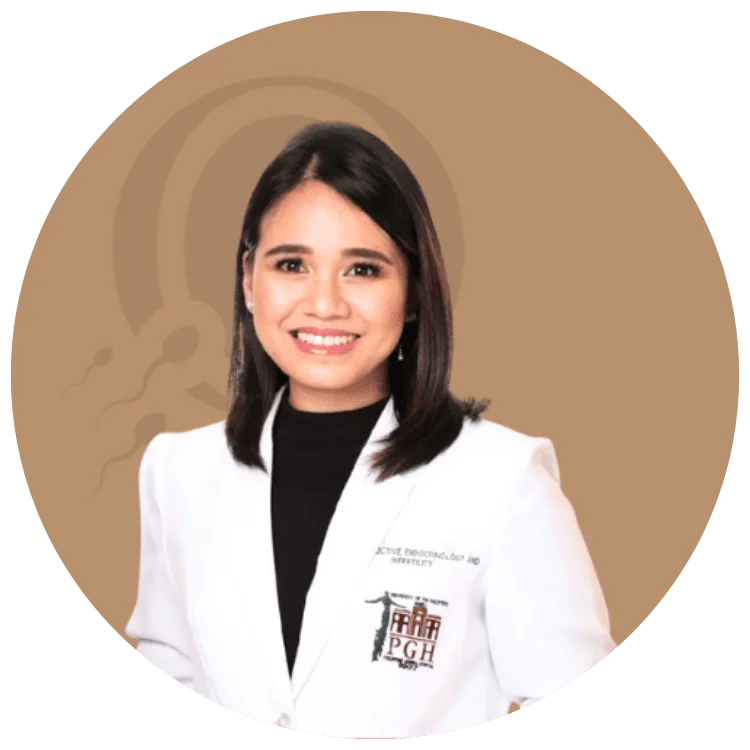
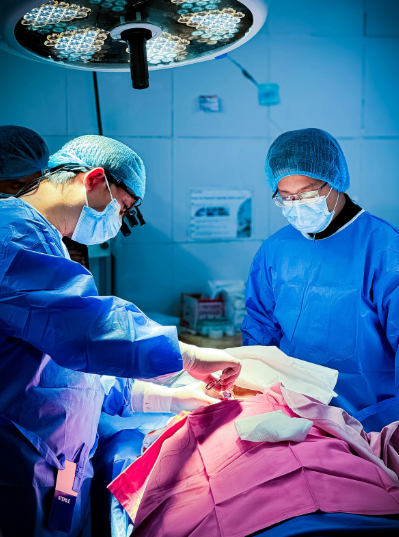
At LAO Orthopedic Services, Dr. Lawrence Lao provides comprehensive orthopedic care for patients with musculoskeletal conditions. With more than 16 years of medical experience, specialty training in Orthopedic Traumatology, and fellowship training in Hip and Knee Advanced Reconstruction and Sports Surgery and Arthroscopy, he provides careful assessment and treatment for orthopedic conditions affecting patients of different ages.
What Is Pediatric Orthopedics?
Pediatric orthopedics focuses on bone, joint, muscle, tendon, and ligament conditions affecting infants, children, and adolescents. Children’s bodies continue to grow, making their orthopedic needs different from those of adults. Their bones contain growth plates, which are areas of developing cartilage near the ends of long bones. Because these growth plates are still developing, injuries require careful assessment.
Parents looking for pediatric orthopedic Naga services often seek medical advice for fractures, sports injuries, limping, joint pain, spinal concerns, or developmental conditions affecting their children. Early evaluation allows proper diagnosis and helps determine whether observation, rehabilitation, or surgery is necessary.
Not every orthopedic condition requires surgery. Many children recover well through conservative treatment such as casting, bracing, physical therapy, activity modification, and regular follow-up appointments.
Common Orthopedic Problems in Children
Children enjoy running, climbing, jumping, and participating in sports, making orthopedic injuries relatively common. Recognizing symptoms early allows parents to seek appropriate care before a condition becomes more serious.
Fractures
Broken bones are among the most common reasons families search for pediatric orthopedic Naga services. Falls from bicycles, playground equipment, stairs, or sports activities frequently result in fractures.
Symptoms may include:
- Severe pain
- Swelling
- Bruising
- Visible deformity
- Difficulty moving the affected limb
- Refusal to bear weight
Treatment depends on the location and severity of the fracture. Many fractures heal successfully with casting or splinting, while complex injuries may require surgical stabilization.
Prompt medical evaluation helps ensure proper bone healing while reducing the chance of long-term complications.
Sports Injuries
As more children participate in organized sports, orthopedic injuries have become increasingly common.
These injuries may involve:
- ACL tears
- Meniscus injuries
- Shoulder instability
- Ankle sprains
- Tendon injuries
- Growth plate injuries
Children involved in basketball, volleyball, football, martial arts, dance, gymnastics, and running place repeated stress on their joints. Persistent pain should never be ignored simply because a child “can still play.”
Families searching for pediatric orthopedic Naga care after a sports injury should seek evaluation if pain, swelling, instability, or limited movement continues beyond a few days.
Knock Knees and Bow Legs
Many young children naturally pass through stages where their legs appear bowed or where their knees angle inward. These developmental changes often improve with growth.
However, medical evaluation may be recommended if:
- The condition worsens over time.
- Only one leg is affected.
- Walking becomes difficult.
- Pain develops.
- The condition persists beyond the expected age.
A careful orthopedic examination helps determine whether observation or treatment is appropriate.
Flat Feet
Flat feet are common during childhood. Many children have flexible flat feet that do not cause pain and usually require no treatment.
Parents should seek pediatric orthopedic Naga consultation if flat feet are associated with:
- Foot pain
- Difficulty walking
- Frequent tripping
- Stiffness
- Uneven shoe wear
Treatment depends on the child’s symptoms and may include supportive footwear, stretching exercises, or physical therapy.
Limping Without an Obvious Injury
Children sometimes begin limping even when no fall or accident has occurred.
Possible causes include:
- Muscle strain
- Hip disorders
- Joint inflammation
- Bone infection
- Temporary irritation of the hip joint
Persistent limping should always be evaluated by an orthopedic physician since some conditions become more difficult to treat if diagnosis is delayed.
Scoliosis
Scoliosis is a sideways curvature of the spine that often develops during periods of rapid growth.
Parents should watch for:
- Uneven shoulders
- Uneven waistline
- One shoulder blade appearing more prominent
- Leaning toward one side
- Clothing fitting unevenly
Early detection allows closer monitoring and timely treatment if necessary.
Signs Your Child Should See an Orthopedic Specialist
Children often recover quickly from minor injuries, but certain warning signs should not be ignored.
Consider scheduling a pediatric orthopedic Naga consultation if your child experiences:
- Persistent bone or joint pain
- Swelling lasting several days
- Difficulty walking
- Recurrent limping
- Limited joint movement
- Sports injuries with ongoing pain
- Joint instability
- Repeated fractures
- Bone deformity
- Delayed recovery after an injury
Seeking medical attention early often results in more treatment options and a smoother recovery.
How Pediatric Orthopedic Conditions Are Diagnosed
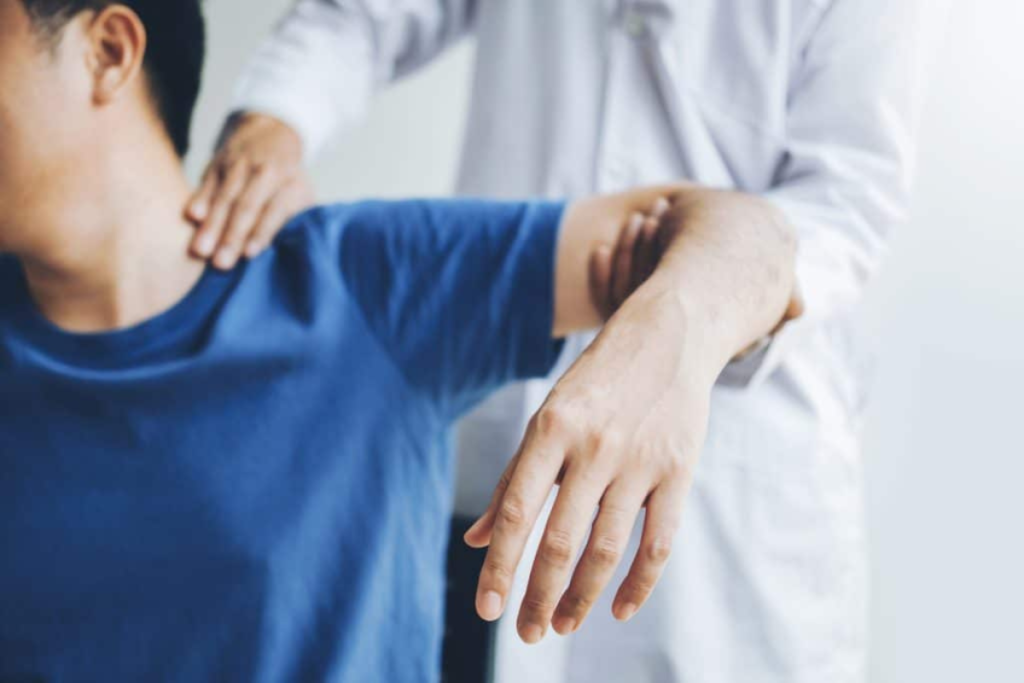
Every child has unique medical needs. Diagnosis begins with a detailed discussion of symptoms, medical history, activity level, previous injuries, and overall health.
The physical examination may include evaluation of:
- Joint movement
- Muscle strength
- Walking pattern
- Balance
- Swelling
- Tenderness
- Limb alignment
Diagnostic imaging may also be recommended.
X-rays
X-rays remain the most common imaging study for fractures, bone alignment, and many orthopedic conditions.
MRI
Magnetic Resonance Imaging provides detailed images of ligaments, tendons, cartilage, muscles, and other soft tissues. MRI is often requested for sports injuries involving the knee or shoulder.
CT Scan
CT scans may be helpful for evaluating complex fractures or certain joint conditions when additional detail is necessary.
Ultrasound
Ultrasound may assist in evaluating selected soft tissue conditions, depending on the clinical situation.
Accurate diagnosis allows treatment recommendations that match the child’s specific condition.
Treatment Options for Pediatric Orthopedic Conditions
Treatment depends on several factors, including the child’s age, activity level, diagnosis, severity of injury, and overall health.
Many children recover without surgery.
Non-Surgical Treatment
Conservative treatment may include:
- Observation
- Rest
- Activity modification
- Casting
- Splinting
- Bracing
- Physical therapy
- Pain management
- Home exercise programs
Children generally heal faster than adults, making conservative treatment effective for many orthopedic conditions.
Regular follow-up appointments allow the physician to monitor healing and adjust treatment when necessary.
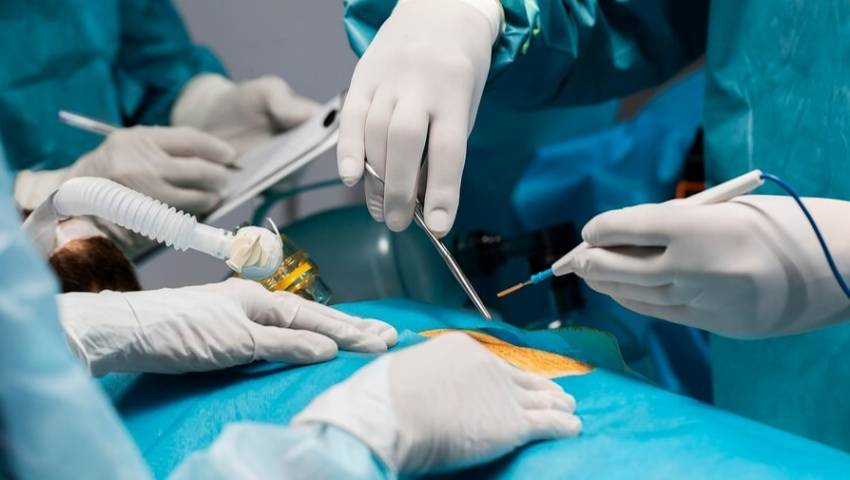
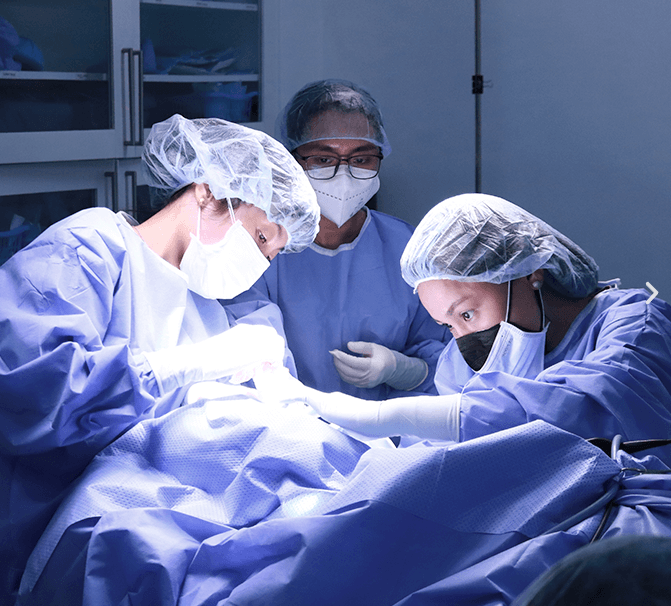
Surgical Treatment
Some orthopedic conditions require surgery to restore function or improve joint stability.
Possible procedures include:
- Fracture fixation
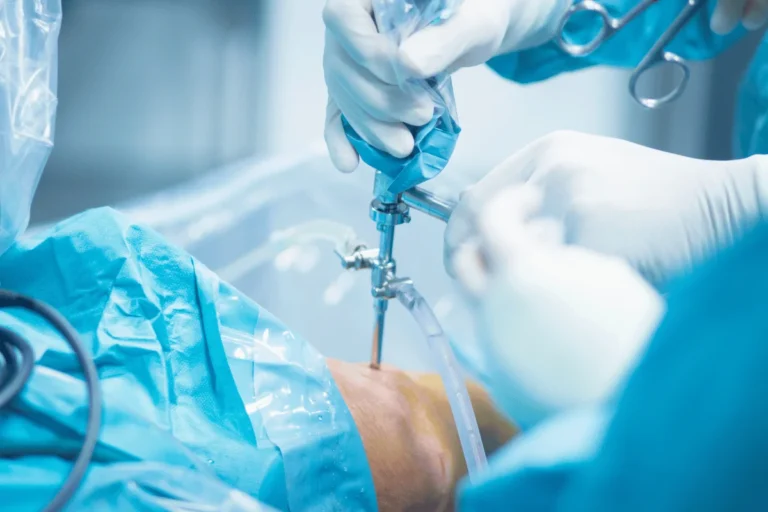
- Arthroscopic surgery
- Ligament reconstruction
- Tendon repair
- Corrective orthopedic procedures
Dr. Lawrence Lao has advanced fellowship training in Hip and Knee Reconstruction as well as Sports Surgery and Arthroscopy. These skills support the management of complex orthopedic injuries when surgical treatment is appropriate.
Every surgical recommendation follows careful evaluation, with the goal of helping patients recover safely and return to normal daily activities.
Preventing Orthopedic Injuries in Children
Although accidents cannot always be avoided, several simple habits may reduce the risk of injury.
Parents can encourage children to:
- Warm up before sports.
- Stretch after physical activity.
- Wear properly fitted protective equipment.
- Use appropriate footwear.
- Eat a balanced diet rich in calcium and vitamin D.
- Stay physically active throughout the year.
- Avoid overtraining.
- Report pain instead of playing through injuries.
- Rest when recovering from an injury.
Sports participation provides many physical and emotional benefits, but proper preparation helps reduce unnecessary orthopedic injuries.
Why Families Choose LAO Orthopedic Services
Families searching for pediatric orthopedic Naga care want experienced medical professionals who listen carefully and recommend treatment based on each patient’s needs.
Dr. Lawrence Lao brings more than 16 years of medical experience together with specialty training in Orthopedic Traumatology and international fellowship training in Hip and Knee Advanced Reconstruction, Sports Surgery, and Arthroscopy.
Patients receive comprehensive orthopedic evaluation, detailed explanations, and personalized treatment recommendations. Every care plan is developed according to the child’s condition, symptoms, lifestyle, and recovery goals.
LAO Orthopedic Services also offers treatment for fractures, ligament injuries, sports injuries, shoulder conditions, hip disorders, knee conditions, and other orthopedic concerns affecting children and adults.
Whether treatment involves observation, rehabilitation, minimally invasive surgery, or reconstructive procedures, patient safety and long-term function remain important priorities.
Schedule an Orthopedic Consultation
Finding trusted pediatric orthopedic Naga care begins with timely evaluation whenever your child experiences persistent pain, limping, fractures, sports injuries, or difficulty moving normally. Early assessment allows accurate diagnosis and appropriate treatment while supporting healthy growth and long-term mobility.
At LAO Orthopedic Services, Dr. Lawrence Lao provides comprehensive orthopedic evaluation and treatment for a wide range of musculoskeletal conditions. Every patient receives individualized care based on their specific needs, helping children return to school, sports, and everyday activities as safely and comfortably as possible.
Frequently Asked Questions
What does a pediatric orthopedic consultation involve?
A consultation usually includes a review of your child’s medical history, discussion of symptoms, physical examination, and imaging studies such as X-rays when necessary. Additional tests may be recommended depending on the condition.
Does every broken bone require surgery?
No. Many fractures heal successfully with casting or splinting. Surgery is generally reserved for fractures that cannot heal properly without stabilization or when bones are significantly displaced.
Should my child continue playing sports while experiencing knee pain?
Persistent knee pain should not be ignored. Continuing sports without proper evaluation may increase the severity of certain injuries. An orthopedic assessment helps determine when it is safe to return to activity.
Can children recover completely after sports injuries?
Many children recover very well after appropriate treatment and rehabilitation. Recovery depends on the type of injury, timely diagnosis, treatment plan, and following medical advice during healing.
When should I seek pediatric orthopedic Naga services for limping?
A child should be evaluated if limping continues for more than a short period, becomes worse, occurs without an obvious injury, or is accompanied by fever, swelling, severe pain, or inability to bear weight.
What conditions can an orthopedic surgeon evaluate in children?
Orthopedic surgeons evaluate fractures, sports injuries, joint pain, bone deformities, scoliosis, ligament injuries, tendon problems, limping, and many other conditions affecting the musculoskeletal system.