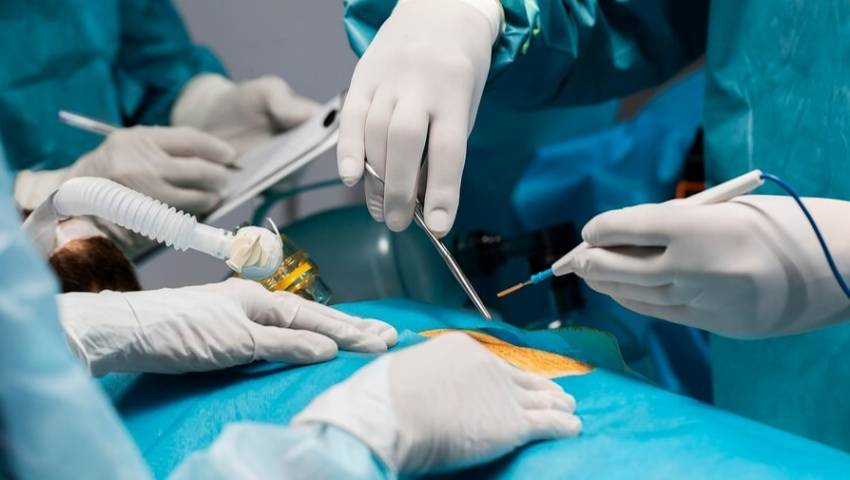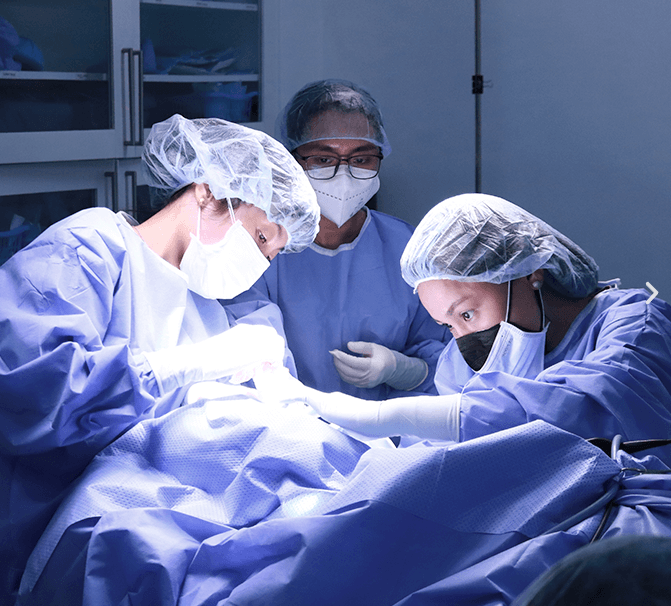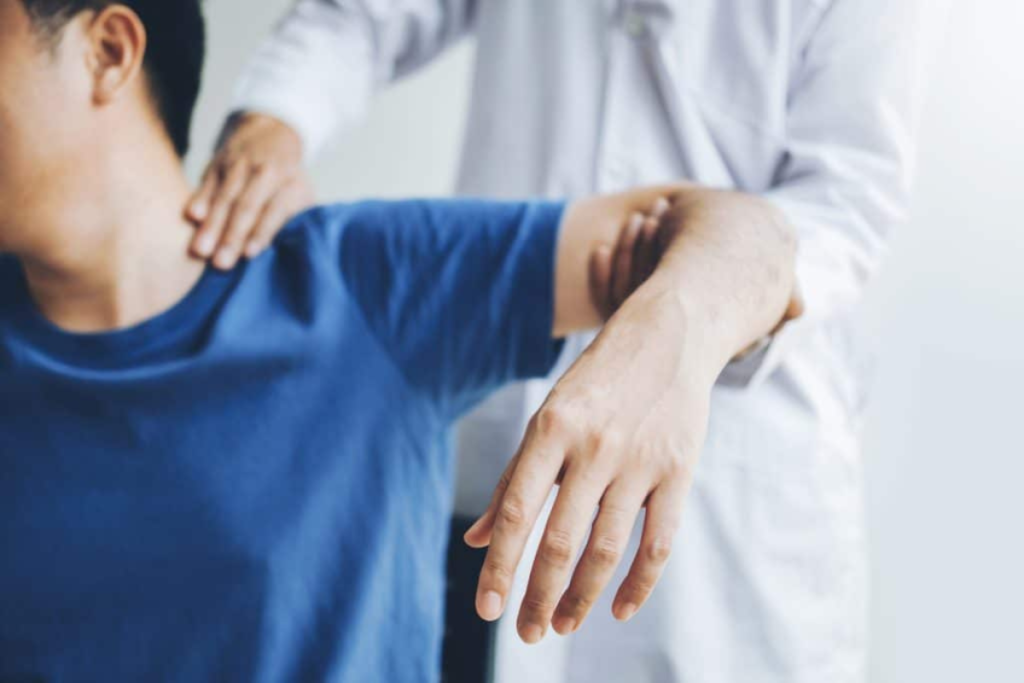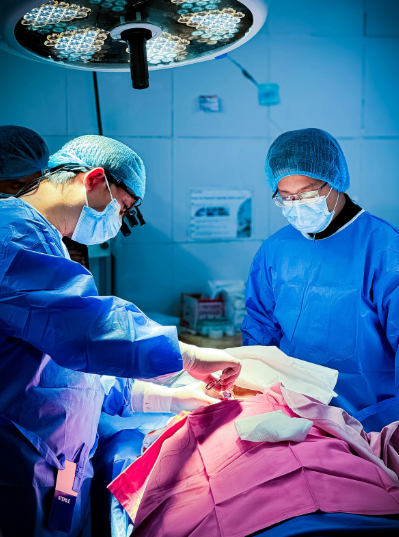
Proper wound management plays an important role after accidents, injuries, surgery, or conditions that affect the body’s ability to heal. Wound Care in the Philippines helps patients receive timely evaluation, appropriate treatment, and professional guidance for different types of wounds, from minor cuts to more complex injuries.
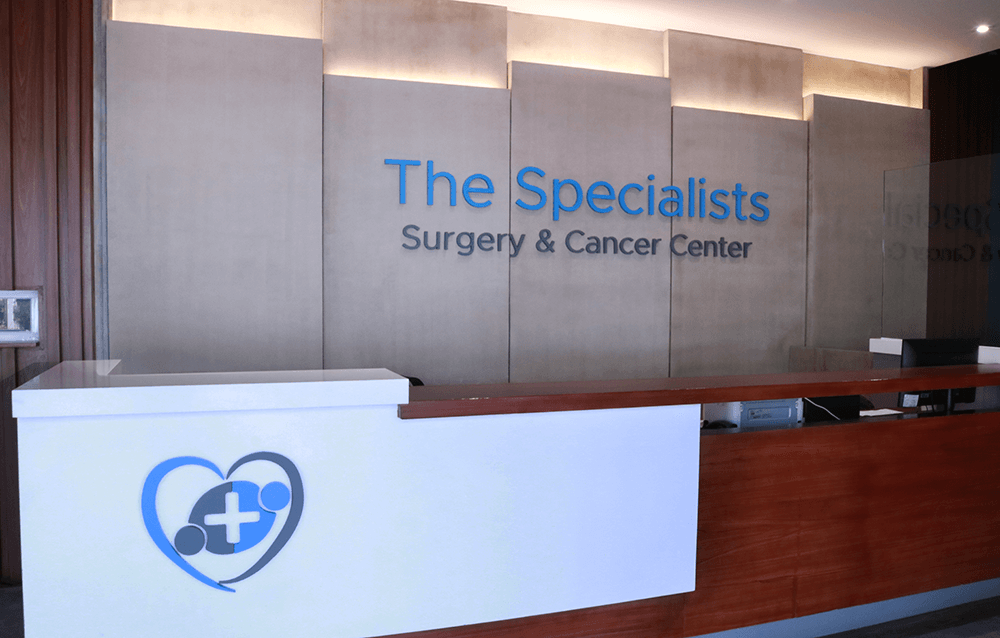
At The Specialist Surgery & Cancer Center (TSSCC) in Quezon City, Metro Manila, patients receive expert wound assessment and treatment from experienced doctors. The goal of Wound Care in the Philippines is to support safe healing, reduce the risk of complications, protect damaged skin, and help patients return to normal activities with confidence.
Many people underestimate wounds because some injuries may appear small at first. However, improper cleaning, delayed treatment, or incorrect home care may increase the chance of infection, poor healing, or visible scarring. Professional wound care provides patients with proper evaluation and a treatment approach suited to their specific condition.
What Is Wound Care?
Wound care refers to medical treatment focused on helping damaged skin and tissues heal properly. Wounds may happen because of accidents, falls, sharp objects, sports activities, workplace incidents, surgery, or health conditions that affect healing.
Wound Care in the Philippines includes several steps designed to protect the injured area and support recovery. Doctors assess the wound type, depth, location, and possible risks before recommending treatment.
Professional wound care may include:
- Cleaning the wound to remove dirt, bacteria, or debris
- Controlling bleeding
- Removing damaged tissue when needed
- Closing wounds through stitches or other methods
- Applying suitable dressings
- Monitoring healing progress
- Providing advice for home care
The main purpose of wound care is not only to close a wound but also to create the right conditions for healthy tissue repair.
Common Types of Wounds Treated Through Wound Care in the Philippines
Different wounds require different levels of attention. Some may heal with simple care, while others need professional treatment to prevent complications.
Cuts and Lacerations
Cuts and lacerations are common injuries caused by sharp objects such as knives, glass, tools, or other materials. Some cuts only affect the surface of the skin, while deeper wounds may involve muscles, nerves, or blood vessels.
A doctor can determine whether cleaning, stitches, or additional treatment is needed.
Abrasions and Skin Scrapes
Abrasions happen when the skin rubs against a rough surface. Common examples include injuries from falls, sports activities, and road accidents.
Although abrasions may appear minor, proper cleaning is important because dirt and bacteria can become trapped within the damaged skin.
Traumatic Injuries
Traumatic wounds result from sudden accidents or physical impact. These may include injuries caused by falls, vehicle accidents, workplace incidents, or household accidents.
Wound Care in the Philippines provides patients with access to proper assessment after trauma to help reduce risks and support recovery.
Surgical Wounds
Surgical wounds require careful monitoring after a procedure. Proper dressing changes, hygiene, and follow-up care help maintain healthy healing.
Diabetic and Slow-Healing Wounds
Some patients experience delayed wound healing because of diabetes, circulation problems, or other health conditions. These wounds often require closer medical supervision and specialized treatment.
When Should You Seek Professional Wound Care?
Not every wound requires medical treatment, but certain signs indicate the need for evaluation by a doctor.
Patients should consider professional Wound Care in the Philippines when they experience:
- Deep cuts or large wounds
- Bleeding that does not stop
- Severe pain
- Increasing redness or swelling
- Warmth around the wound
- Pus or unusual drainage
- Fever or feeling unwell
- Wounds caused by bites
- Wounds containing dirt, metal, glass, or foreign materials
- Slow healing
Early consultation can help identify problems before they become more serious. Prompt care may reduce complications and support better healing outcomes.
Why Proper Wound Care Matters
A wound is the body’s response to damaged tissue, but healing requires the right environment. Without proper care, bacteria may enter through broken skin and cause infection.
Wound Care in the Philippines focuses on protecting the injury while encouraging natural repair processes. Proper treatment may help:
- Lower infection risks
- Support faster recovery
- Reduce discomfort
- Improve wound appearance
- Limit scarring
- Prevent delayed healing
Professional assessment is especially important for children, older adults, and patients with medical conditions that may affect recovery.
How Wounds Are Treated at a Specialist Clinic
At TSSCC, wound treatment begins with a detailed assessment. Doctors review the cause of the injury, examine the wound, and determine the most appropriate care plan.
Treatment may involve:
Wound Assessment
The doctor checks the wound size, depth, location, and surrounding skin condition. This helps determine the appropriate approach.
Cleaning and Debridement
Proper cleaning removes contaminants and helps prepare the wound for healing. Some wounds may require removal of unhealthy tissue.
Wound Closure
Some injuries may require stitches or other closure methods. Proper closure helps protect the wound and may improve healing results.
Advanced Dressings
Modern dressings help protect wounds and maintain conditions that support recovery. The type of dressing depends on the wound’s needs.
Follow-Up Monitoring
Some wounds require continued observation to confirm healthy progress. Follow-up appointments allow doctors to adjust treatment when necessary.
Advanced Wound Care for Complex Cases
Some wounds require more than basic cleaning and dressing. Patients with diabetes, poor circulation, or slow-healing injuries may need specialized care.
Wound Care in the Philippines supports patients who require careful monitoring because delayed treatment may increase the chance of complications.
Complex wounds may include:
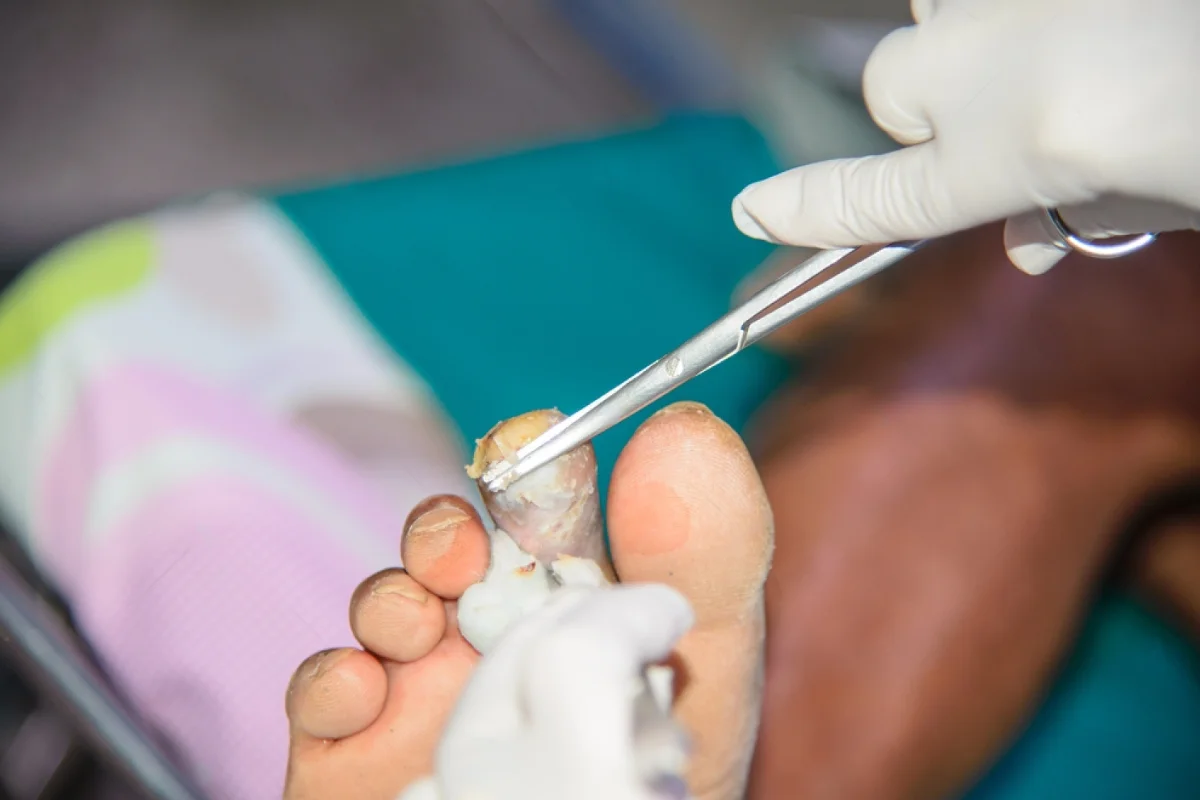
- Diabetic foot wounds
- Long-lasting ulcers
- Wounds that repeatedly reopen
- Surgical wounds with healing concerns
- Injuries affected by underlying health conditions
A specialist approach helps patients receive appropriate care based on their medical history and wound condition.
Wound Care Tips at Home
Professional treatment is supported by proper care after leaving the clinic. Patients should follow their doctor’s instructions carefully.
Helpful wound care practices include:
- Keep the wound clean and protected
- Change dressings based on medical advice
- Avoid touching the wound with unclean hands
- Watch for changes such as swelling or drainage
- Take prescribed medications as directed
- Maintain proper nutrition and hydration
- Attend scheduled follow-up visits
Avoid applying unverified substances or home remedies that may irritate the wound or delay recovery.
Common Mistakes That May Delay Healing
Many wound problems happen because of delayed attention or incorrect care methods.
Common mistakes include:
- Ignoring signs of infection
- Delaying treatment after an injury
- Removing dressings too often
- Using unsuitable products on open wounds
- Scratching or picking healing skin
- Skipping follow-up appointments
Reliable Wound Care in the Philippines encourages patients to seek professional advice when a wound does not improve as expected.
Wound Care for Patients with Diabetes
Diabetes can affect circulation and the body’s natural healing process. Because of this, people with diabetes may develop wounds that require additional attention.
Regular wound assessment may help prevent small injuries from becoming more serious. Patients with diabetes should check their skin regularly, especially areas such as the feet.
Professional Wound Care in the Philippines provides diabetic patients with guidance focused on early detection, proper treatment, and prevention of further problems.
Why Choose The Specialist Surgery & Cancer Center (TSSCC)?
TSSCC provides patient-focused surgical and wound care services for individuals seeking professional treatment across Quezon City, Metro Manila, and nearby areas.
Patients choose TSSCC for Wound Care in the Philippines because of:
- Experienced doctors providing wound assessment and treatment
- Outpatient care designed for convenience
- Safe clinical facilities
- Personalized treatment recommendations
- Attention to infection prevention and healing support
- Accessible care for different wound conditions
The center focuses on providing timely treatment while helping patients avoid unnecessary delays that may affect recovery.
Takeaway
Wound Care in the Philippines helps patients receive proper treatment for injuries, surgical wounds, and slow-healing conditions. Professional wound assessment and timely care can support recovery, reduce complications, and improve healing outcomes.
The Specialist Surgery & Cancer Center (TSSCC) provides expert wound care services for patients seeking reliable treatment within Quezon City, Metro Manila, and surrounding communities. Whether a patient needs repair for a superficial wound, traumatic injury management, or continued wound monitoring, professional care can make an important difference throughout the healing process.
Frequently Asked Questions About Wound Care in the Philippines
How long does a wound take to heal?
Healing time depends on the wound type, size, location, and the patient’s overall health. Small wounds may heal within days or weeks, while larger or complex wounds may require longer care.
Can I treat a wound at home?
Minor wounds may receive basic first aid at home, but wounds that are deep, painful, contaminated, or slow to heal should receive professional evaluation.
How do I know if my wound is infected?
Signs of infection may include increasing redness, swelling, warmth, pain, pus, unpleasant odor, or fever. Medical assessment is recommended when these symptoms appear.
Do all wounds need stitches?
No. Some wounds heal without stitches, while others require closure to support healing. A doctor can determine the best option after examining the injury.
Who provides Wound Care in the Philippines?
Wound care may be provided by trained doctors, surgeons, and healthcare teams with experience managing different types of injuries and healing concerns.
Why is early wound treatment important?
Early treatment helps identify possible problems, reduce infection risks, and support proper healing. Prompt care is especially important for patients with diabetes or other health conditions.