A painful, swollen lump can quickly interfere with sleep, movement, work, and daily comfort. Redness, warmth, tenderness, or visible pus may point to an abscess that needs medical assessment. Waiting too long may allow the infection to grow, spread, or damage nearby tissue.
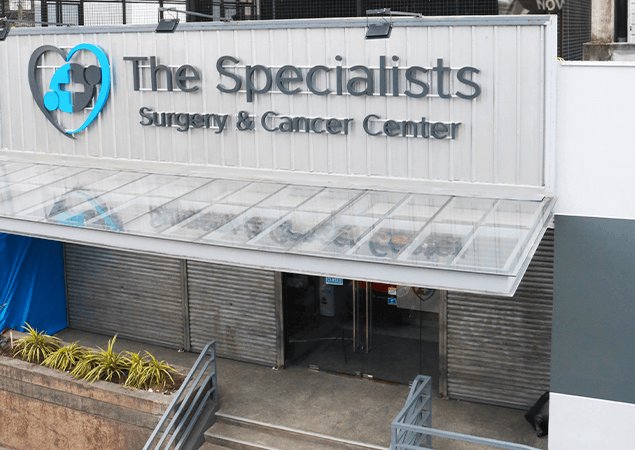
Abscess Incision and Drainage in Quezon City gives patients access to a minor surgical procedure designed to remove trapped pus, relieve pressure, and help the affected area heal. The Specialists Surgery & Cancer Center, also known as TSSCC, provides clinic-based surgical care for patients from Quezon City, Metro Manila, and nearby provinces. Its outpatient approach offers qualified surgical care without unnecessary hospital admission for medically suitable cases.
Early care matters, especially for patients with diabetes, weak immune defenses, recurring boils, or abscesses near sensitive body areas. Proper assessment helps confirm whether the lump is truly an abscess and whether drainage, medicine, laboratory testing, or added treatment may be required.
What Is an Abscess?
An abscess is a pocket of pus caused by infection. Pus contains fluid, bacteria, damaged tissue, and immune cells. As more material collects, pressure builds beneath the skin or within deeper tissue. This pressure often causes throbbing pain, swelling, redness, warmth, and tenderness.
Abscesses may develop after bacteria enter a cut, scratch, puncture, irritated hair follicle, insect bite, or blocked gland. Some begin as boils, infected cysts, or irritated areas caused by sweat and friction. Others may occur after surgery or alongside long-term skin disorders.
A closed pocket of pus may not respond fully to medicine because the infected material has no path to escape. Abscess Incision and Drainage in Quezon City creates a controlled opening so the surgeon can release pus, clean the cavity, and assess the surrounding tissue.
What Is Abscess Incision and Drainage?
Abscess incision and drainage is a minor surgical procedure used to treat a pus-filled infection. After checking the abscess and the patient’s health history, the surgeon cleans the treatment area and applies local anesthesia when appropriate. A small opening is then made over the abscess so pus can drain.
The surgeon may gently clear debris, wash the cavity, or break apart separate pockets of infected fluid. Some wounds may need sterile packing or a small drain so fluid can continue to leave the area. Other wounds may only need a sterile dressing.
Abscess Incision and Drainage in Quezon City usually takes place as an outpatient service for uncomplicated cases. Patients may return home after the procedure with wound-care directions, medicine guidance, warning signs, and a follow-up plan.
Common Causes of an Abscess
Several factors may cause or contribute to abscess formation. Common causes include:
- Bacterial infection after a cut, scrape, puncture, or minor wound
- Blocked oil glands or infected epidermoid cysts
- Ingrown hairs and irritated hair follicles
- Boils or groups of connected boils
- Friction from clothing, sports gear, or repetitive movement
- Heavy sweating combined with skin irritation
- Insect bites or minor traumatic injuries
- Hidradenitis suppurativa
- Poorly controlled diabetes
- Reduced immune defenses
- Post-surgical wound infection
- Repeated pressure on one body area
Some patients have no clear trigger. A medical assessment remains valuable because a painful lump may also be a cyst, enlarged lymph node, inflamed gland, or another condition that needs a different treatment plan.
Signs That May Require Medical Drainage
A small irritated bump may improve with proper hygiene and medical guidance, but a mature abscess often needs drainage. Seek assessment when any of these signs appear:
- A painful lump that keeps growing
- Softness or a pus-filled center
- Red, warm, or tender skin
- Throbbing pain
- Fever, chills, or body aches
- Redness spreading beyond the lump
- Fluid leaking from the area
- A boil that returns after temporary improvement
- Symptoms that continue despite antibiotics
- An abscess near the face, anus, genitals, breast, spine, or surgical wound
- A foot or leg abscess affecting a person with diabetes
Abscess Incision and Drainage in Quezon City may be advised after the doctor reviews the size, depth, location, symptoms, and health risks. Severe fever, rapid swelling, confusion, weakness, breathing trouble, or blackened skin requires urgent medical attention.
Why Prompt Abscess Treatment Matters
Delayed care may allow an abscess to become larger and more painful. Bacteria can spread through nearby skin, deeper tissue, or the bloodstream. A larger infection may require a wider opening, more wound care, stronger medicine, or hospital treatment.
Prompt drainage can reduce pressure, remove infected material, protect nearby tissue, and create better conditions for healing. It may also allow the surgeon to collect a sample when bacterial culture is needed. Culture results can guide antibiotic choice for recurring, severe, or unusual infections.
Abscess Incision and Drainage in Quezon City offers a practical option for patients who want timely surgical assessment close to home. Early evaluation can also help identify an infected cyst, chronic skin disorder, or health condition that raises the chance of recurrence.
Who May Need Abscess Incision and Drainage in Quezon City?
This procedure may be suitable for adults, teenagers, and older patients with a confirmed abscess. It may also benefit people with:
- Repeated skin infections
- Diabetes or slow wound healing
- Weak immune defenses
- Hidradenitis suppurativa
- Painful infected cysts
- Boils that fail to improve
- Abscesses caused by ingrown hairs
- Occupational exposure to heat, sweat, friction, or skin trauma
- Symptoms that remain after medicine
- A previous abscess at the same body site
Every patient needs individual assessment. The doctor may recommend imaging, laboratory tests, hospital care, or referral when the abscess is very deep, unusually large, close to a major structure, or linked to serious illness.
What Happens Before the Procedure?
Care begins with a medical consultation. The doctor asks about symptom duration, pain, fever, drainage, prior abscesses, allergies, current medicine, diabetes, bleeding problems, and immune conditions. The affected area is checked for size, tenderness, warmth, skin damage, and spreading redness.
Patients should tell the doctor about blood-thinning medicine, recent antibiotic use, pregnancy, known allergies, or past reactions to anesthesia. Any attempt to squeeze, puncture, or cut the lump should also be disclosed because such actions may affect tissue condition and infection risk.
Before Abscess Incision and Drainage in Quezon City, the care team may explain preparation steps, expected sensations, wound-care needs, and possible follow-up visits. Some cases may need laboratory culture or added testing.
What Happens During Abscess Incision and Drainage?
The treatment area is cleaned with an antiseptic solution. Local anesthesia may be placed around the abscess to reduce pain. Patients can still feel pressure, movement, or brief sensitivity even after the area becomes numb.
The surgeon creates a small opening that allows pus to escape. Gentle pressure or surgical tools may be used to clear the cavity. Separate pockets may need to be opened so infected fluid does not remain trapped. The cavity may then be washed.
Some abscesses need sterile packing to keep the opening from closing too soon. A small drain may also be used for selected cases. The surgeon applies a dressing and provides care directions before discharge.
Abscess Incision and Drainage in Quezon City aims to treat the source of pressure while protecting healthy tissue as much as possible. Procedure details vary according to location, size, depth, and patient health.
Is the Procedure Painful?
Local anesthesia helps reduce pain during the procedure. A brief sting may occur when the anesthetic is given. Pressure or pulling may still be felt while pus is removed.
Soreness can return after the anesthetic wears off. Many patients notice relief because the painful pressure caused by trapped pus has been released. The doctor may recommend suitable pain medicine based on medical history and procedure findings.
No procedure feels identical for every person. Patients should tell the surgeon about severe pain, anxiety, or past difficulty with local anesthesia before Abscess Incision and Drainage in Quezon City.
Recovery After Abscess Drainage
Recovery depends on the abscess size, location, depth, and cause. General health also affects healing. A small skin abscess may need simpler care, while a deeper cavity may require several dressing changes and follow-up checks.
Mild soreness, limited drainage, and tenderness may occur after treatment. The dressing may need replacement according to the surgeon’s directions. Packing, when used, may need removal or replacement at a follow-up visit.
Patients should avoid squeezing, probing, or closing the opening with unapproved products. Heavy activity that pulls or rubs the wound may need temporary restriction. Abscess Incision and Drainage in Quezon City includes recovery guidance based on the treated body area and the patient’s daily routine.
Wound Care After Abscess Incision and Drainage in Quezon City
Proper wound care helps reduce added contamination and supports healing. Follow the surgeon’s directions closely, since care needs vary.
Wash hands before and after touching the dressing. Keep the wound covering clean and replace it as directed. A wet, loose, or heavily soiled dressing may need prompt replacement. Never place powders, strong chemicals, herbal mixtures, or unapproved ointments on the wound.
Take prescribed medicine according to the stated dose and schedule. Do not stop an antibiotic early unless the treating doctor advises a change. Attend every wound check, especially when packing or a drain was placed.
Contact the clinic when pain worsens, redness spreads, swelling returns, fever develops, drainage smells foul, bleeding becomes heavy, or the wound shows little progress. Prompt follow-up after Abscess Incision and Drainage in Quezon City helps the care team address problems before they become more serious.
Can Antibiotics Replace Drainage?
Antibiotics can help selected patients, but they may not remove trapped pus from a closed cavity. A mature abscess often needs a physical opening so infected material can leave.
The doctor may prescribe antibiotics when there is fever, spreading redness, multiple abscesses, diabetes, reduced immunity, severe infection, or another medical concern. Antibiotic choice may depend on local bacterial patterns, allergy history, prior medicine use, and culture results.
Abscess Incision and Drainage in Quezon City addresses the pus pocket directly. Medicine may be added when the doctor believes it will improve infection control or protect a higher-risk patient.
Why Home Drainage Can Be Dangerous
Trying to cut or puncture an abscess at home can cause bleeding, deeper infection, tissue injury, and poor drainage. Household needles, blades, or squeezing methods are not a safe substitute for sterile surgical care.
Pressure may push bacteria deeper or force infected material toward nearby tissue. A partial opening may close while pus remains trapped. Sensitive structures may also sit close to the lump, especially near the face, armpit, groin, breast, anus, hand, or foot.
A lump that looks like an abscess may have another cause. Medical assessment before Abscess Incision and Drainage in Quezon City helps confirm the diagnosis and choose a safer course of care.
Abscess Care for Patients With Diabetes
Diabetes may affect immune response, circulation, and wound healing. An abscess can progress quickly, especially around the feet or legs. Small wounds may also become harder to heal when blood sugar remains poorly controlled.
Patients with diabetes should seek early assessment for redness, swelling, drainage, unusual odor, fever, or skin breakdown. Foot abscesses need particular attention because nerve damage may reduce pain even while infection worsens.
Abscess Incision and Drainage in Quezon City may form one part of a broader care plan that also covers blood sugar management, wound checks, antibiotics when needed, and referral for deeper infection.
Can an Abscess Return?
Recurrence may happen when the original cause remains. An infected cyst can return when the cyst wall stays beneath the skin. Hidradenitis suppurativa may cause repeated painful lumps. Friction, shaving irritation, bacterial carriage, poor blood sugar control, or incomplete healing may also contribute.
Recurring abscesses may need culture testing or assessment for a chronic skin condition. The doctor may discuss preventive skin care, hygiene, medicine, cyst removal after infection settles, or referral to another specialist.
Follow-up after Abscess Incision and Drainage in Quezon City gives the surgeon a chance to check healing and review factors linked to recurrence.
How to Lower the Chance of Another Abscess
Helpful habits include keeping skin clean and dry, changing sweaty clothing promptly, treating small cuts, avoiding shared razors or towels, and keeping personal grooming tools clean. Do not squeeze boils, cysts, or tender lumps.
People with diabetes should follow their medical care plan and inspect their feet regularly. Anyone with repeated abscesses should seek evaluation rather than treating each episode at home.
Good aftercare following Abscess Incision and Drainage in Quezon City also matters. Complete prescribed treatment, attend follow-up visits, and report new swelling or drainage early.
Benefits of Outpatient Abscess Care at TSSCC
The Specialists Surgery & Cancer Center provides outpatient surgical services designed around accessibility, patient comfort, and appropriate medical care. Patients from Quezon City, Metro Manila, and nearby provinces can receive assessment and minor surgical treatment without automatic hospital admission when their condition allows clinic-based care.
TSSCC’s setting can help patients avoid long hospital queues while receiving care from qualified surgical professionals. The clinic places value on accurate diagnosis, infection-control practices, clear recovery guidance, and follow-up support.
Choosing TSSCC for Abscess Incision and Drainage in Quezon City may be suitable for patients seeking safe and affordable surgical care close to home. More complex cases can be identified during assessment and directed toward added care when necessary.
Why Choose The Specialists Surgery & Cancer Center?
A painful abscess can create fear and uncertainty. Patients need a care team that listens, checks the problem carefully, explains the procedure, and gives practical recovery directions.
TSSCC serves patients who need minor surgical treatment within a comfortable outpatient setting. The team assesses each abscess based on its location, severity, cause, and associated health risks. This patient-centered approach helps determine whether clinic drainage, medicine, testing, referral, or hospital care is the safest choice.
Abscess Incision and Drainage in Quezon City at TSSCC combines surgical assessment, controlled drainage, wound dressing, and follow-up planning. The goal is to relieve discomfort, manage infection, and help the wound heal safely.
Preparing for Your Appointment
Bring a list of current medicine, allergies, and medical conditions. Share any history of diabetes, bleeding problems, immune disorders, recurring abscesses, or previous surgery near the affected area.
Avoid squeezing, puncturing, or applying harsh products before the visit. Wear loose clothing that allows easy access to the affected area. Follow any preparation directions provided by the clinic.
Ask about wound-care supplies, return to work, bathing, activity limits, medicine, and follow-up timing. Clear preparation can make Abscess Incision and Drainage in Quezon City easier to manage before and after treatment.
When to Seek Urgent Care
Urgent medical care is needed when an abscess comes with rapid swelling, severe pain, high fever, confusion, faintness, breathing difficulty, red streaks, blackened skin, or widespread redness.
Abscesses close to the eyes, nose, spine, anus, genitals, breast, or a recent surgical wound also need prompt assessment. Babies, older adults, patients with diabetes, and people with reduced immune defenses may face greater risk.
Do not delay urgent care while waiting for a routine appointment. Some infections need emergency treatment or hospital support rather than standard outpatient Abscess Incision and Drainage in Quezon City.
Frequently Asked Questions About Abscess Incision and Drainage in Quezon City
How long does abscess drainage take?
Procedure time varies according to abscess size, depth, location, and complexity. Consultation, preparation, anesthesia, drainage, dressing, and discharge guidance add to the total clinic visit.
Can I go home after the procedure?
Many uncomplicated cases allow same-day discharge. The doctor may recommend hospital care when the infection is deep, severe, widespread, or linked to serious health concerns.
Will the wound need stitches?
Many abscess wounds are left partly open so remaining fluid can drain. Closing the skin too early may trap infected material. The surgeon decides the safest wound approach.
How long will healing take?
Healing time varies. Small abscesses may improve sooner than deep or large cavities. Diabetes, poor circulation, immune problems, and wound location may slow recovery.
Do all patients need antibiotics?
No. Some patients recover with proper drainage and wound care, while others need antibiotics due to fever, spreading infection, health risks, or procedure findings.
Can an abscess heal without drainage?
Very small or early skin infections may improve with medical care, but a mature pus-filled abscess often requires drainage. A doctor should assess the lump before treatment decisions are made.
What happens when an abscess bursts by itself?
A burst abscess may still contain pus, debris, or deeper pockets. Keep the area covered with a clean dressing and seek medical assessment. Do not squeeze the wound.
Can TSSCC treat recurring abscesses?
TSSCC can assess recurring abscesses and review possible causes. Further tests, culture, cyst treatment, medical management, or specialist referral may be advised.
Is Abscess Incision and Drainage in Quezon City available as an outpatient service?
Yes, TSSCC provides outpatient surgical care for medically suitable cases. The doctor first checks whether clinic treatment is appropriate based on abscess severity and patient health.
How do I know whether a lump is an abscess or a cyst?
Both may cause swelling and tenderness. A physical examination helps determine the likely cause. Added testing may be needed when the diagnosis is uncertain or the lump sits deeper beneath the skin.