Persistent knee pain can make simple tasks feel difficult. Walking, climbing stairs, standing from a chair, exercising, or completing work duties may become uncomfortable. Joint stiffness can also reduce confidence and limit movement. For people dealing with osteoarthritis, a Hyaluronic acid injection may offer a non-surgical option that supports smoother joint motion and better day-to-day comfort.
TEC ORTHOPEDICS offers Hyaluronic acid injection treatment at Quezon City, Metro Manila, under the care of Dr. Tec, a board-certified orthopedic surgeon. Each patient receives a careful assessment before any treatment recommendation. The goal is to identify the source of pain, review joint condition, discuss practical expectations, and choose an approach that fits the patient’s mobility needs.
A Hyaluronic acid injection does not cure osteoarthritis or rebuild lost cartilage. It may, however, help selected patients manage pain, reduce stiffness, and move with greater ease. Results vary, so proper medical evaluation remains essential.
What Is a Hyaluronic Acid Injection?
A Hyaluronic acid injection is also called viscosupplementation. Hyaluronic acid is a naturally occurring, gel-like substance found around healthy joints. It helps lubricate joint surfaces and cushions pressure created by walking, bending, and other daily movements.
Osteoarthritis can change the quality and amount of natural joint fluid. As cartilage wears down, the knee may feel painful, stiff, swollen, or less stable. A Hyaluronic acid injection places a lubricating substance directly into the affected joint. This added fluid may support smoother movement and improve shock absorption.
Treatment is commonly associated with knee osteoarthritis. A doctor may consider it after reviewing symptoms, physical findings, imaging results, past treatment attempts, and overall health. Since knee pain can have many causes, diagnosis should come before injection therapy.
How a Hyaluronic Acid Injection Supports Joint Movement
Healthy joints depend on smooth cartilage, stable supporting tissues, and adequate joint fluid. Hyaluronic acid helps joint surfaces glide with less friction. It also acts as a cushion during weight-bearing activities.
A Hyaluronic acid injection may help supplement joint fluid that has become thinner or less effective because of osteoarthritis. Some patients report less pain during walking, fewer problems after prolonged sitting, or better tolerance for light exercise. Others may notice only limited change.
Relief does not always occur right away. Some patients may notice improvement after several days, while others may need several weeks. The degree and length of relief differ from one person to another.
Conditions That May Benefit From Hyaluronic Acid Injection
Knee osteoarthritis is the most common reason a doctor may recommend a Hyaluronic acid injection. Osteoarthritis develops when cartilage and other joint structures change over time. Common symptoms include pain, stiffness, swelling, grinding sensations, and reduced range of motion.
A Hyaluronic acid injection may also be discussed for chronic knee pain linked to degenerative joint changes. Patients who experience difficulty walking, standing, climbing stairs, or completing normal activities may benefit from an orthopedic review.
Not every type of knee pain responds to viscosupplementation. Meniscus tears, ligament injuries, gout, infection, tendon problems, fractures, or pain referred from the hip or spine may require another treatment. Dr. Tec evaluates the full clinical picture before suggesting a Hyaluronic acid injection.
Who May Be a Candidate for Hyaluronic Acid Injection?
A suitable candidate may be an adult with confirmed knee osteoarthritis whose symptoms affect daily movement. A Hyaluronic acid injection may be considered when basic measures have not provided enough relief. Such measures may include activity changes, doctor-approved medication, weight management, physical therapy, or low-impact exercise.
Some patients prefer to try non-surgical care before considering surgery. Others may have medical reasons that limit certain pain medicines. A Hyaluronic acid injection can become one part of a broader treatment plan focused on movement, strength, and symptom control.
Candidacy depends on arthritis severity, pain pattern, health history, medication use, allergies, swelling, and treatment goals. A consultation with an orthopedic surgeon helps determine whether this option is appropriate.
Who May Need Another Treatment Option?
A Hyaluronic acid injection may not be suitable for every patient. People with an active skin infection near the treatment area, a suspected joint infection, or a known allergy related to the selected product may need another approach.
Severe swelling, sudden intense pain, fever, or inability to bear weight requires prompt medical assessment. Patients taking blood-thinning medication should tell their doctor before any injection. People with advanced joint damage may also need to discuss other options, including surgical care.
The decision should never rely only on pain level. Physical examination, imaging, medical history, and functional limits all help guide treatment selection.
Possible Benefits of Hyaluronic Acid Injection
A Hyaluronic acid injection may offer several possible benefits for selected patients. The main goal is symptom relief rather than structural repair.
Pain reduction may help with walking, standing, using stairs, or completing household tasks. Less stiffness may make movement after rest feel easier. Better comfort can also support participation during prescribed exercise or physical therapy.
Another benefit is that the procedure does not require a surgical cut or hospital admission. Most patients can leave the clinic after the appointment, subject to their doctor’s advice.
Some people may use a Hyaluronic acid injection as part of a plan that delays more aggressive treatment. Such an outcome is not guaranteed. Arthritis can continue to progress, and some patients may eventually need surgery despite temporary symptom relief.
What Happens Before Hyaluronic Acid Injection Treatment?
Before a Hyaluronic acid injection, Dr. Tec reviews the patient’s symptoms, health history, medications, allergies, past injuries, and previous treatments. A physical examination helps assess pain location, swelling, range of motion, stability, strength, and walking pattern.
X-rays or other imaging may be reviewed when needed. These tests can help show joint-space narrowing, bone changes, alignment problems, or other causes of pain.
The consultation also gives patients a chance to ask questions. Dr. Tec explains possible benefits, limits, side effects, expected recovery, and other available options. This shared discussion helps patients make a careful and realistic choice.
What Happens During a Hyaluronic Acid Injection Procedure?
A Hyaluronic acid injection is usually completed during a clinic visit. The patient is positioned so the affected knee can be reached safely and comfortably. The skin around the injection area is cleaned using sterile preparation.
A local numbing medicine may be considered. When excess fluid is present, the doctor may remove part of it before placing the medication. A sterile needle then delivers hyaluronic acid directly to the joint.
The exact technique may vary based on joint anatomy, swelling, and medical judgment. Some products require one injection, while others may follow a series. Dr. Tec explains the recommended schedule before treatment.
Is a Hyaluronic Acid Injection Painful?
Most patients feel a brief pinch, pressure, or mild discomfort during a Hyaluronic acid injection. Pain tolerance differs, and some knees may feel more sensitive because of swelling or inflammation.
Temporary soreness may occur after treatment. Mild swelling, warmth, or stiffness can also happen. These effects are often short-lived, but patients should follow all aftercare directions.
Severe pain, marked swelling, spreading redness, fever, or worsening symptoms should be reported promptly. Such problems may signal a complication that needs medical attention.
What to Expect After Hyaluronic Acid Injection
After a Hyaluronic acid injection, patients may be advised to avoid strenuous activity for a brief period. Heavy lifting, running, jumping, prolonged standing, or intense exercise may need temporary restriction. Light walking may be allowed, depending on the patient’s condition and Dr. Tec’s instructions.
A cold pack may help with temporary soreness when approved by the doctor. Medication should only be taken as directed, especially for patients with other health conditions.
Improvement may be gradual. Some patients feel changes after several days, while others need more time. A follow-up visit may be advised to review pain levels, movement, side effects, and progress.
How Long Can Hyaluronic Acid Injection Relief Last?
Relief after a Hyaluronic acid injection varies. Some patients may experience benefit for several months, while others may have a shorter response or no meaningful change.
Duration can depend on arthritis severity, body weight, activity level, joint alignment, muscle strength, and overall health. Continued joint care can also affect comfort and function.
Repeat treatment may be considered for some patients, but timing depends on prior response, product guidance, and medical assessment. A repeat Hyaluronic acid injection should only follow an orthopedic review.
Side Effects and Safety Considerations
A Hyaluronic acid injection is generally performed as an outpatient procedure, but every medical treatment carries possible risks. Common temporary effects may include pain at the injection site, mild swelling, warmth, stiffness, or bruising.
Less common problems may include a stronger inflammatory reaction, fluid buildup, allergy, or infection. Sterile technique and proper patient screening help reduce risk.
Patients should tell Dr. Tec about allergies, blood-thinning medicines, recent illness, skin problems, fever, or previous reactions to injections. Clear medical history supports safer treatment planning.
Hyaluronic Acid Injection Versus Steroid Injection
A Hyaluronic acid injection and a steroid injection serve different purposes. Hyaluronic acid mainly supports lubrication and cushioning. Steroid medication mainly reduces inflammation.
Steroid injections may act faster for some patients, while hyaluronic acid may take longer to show benefit. Duration also varies. One option is not automatically better for every person.
Choice depends on diagnosis, symptom pattern, arthritis severity, health history, previous response, and treatment goals. Dr. Tec can explain which option may fit the patient’s condition.
Hyaluronic Acid Injection Versus Pain Medication
Oral pain medicine affects the whole body, while a Hyaluronic acid injection places treatment directly at the joint. Medication may help manage symptoms, but certain products may cause stomach, kidney, heart, or other health concerns for some patients.
A Hyaluronic acid injection may be considered when medication alone does not provide enough relief or when certain medicines are unsuitable. Patients should never stop prescribed medication without medical advice.
Both options may form part of a broader plan that includes exercise, rehabilitation, weight control, and activity changes.
Hyaluronic Acid Injection Versus Physical Therapy
Physical therapy focuses on muscle strength, flexibility, balance, posture, and movement quality. A Hyaluronic acid injection focuses on joint lubrication and symptom relief.
These approaches are not direct substitutes. Injection treatment cannot rebuild weak muscles, correct poor movement patterns, or replace rehabilitation. Physical therapy cannot directly add joint fluid.
For some patients, combining a Hyaluronic acid injection with a structured rehabilitation plan may support better function. Dr. Tec may coordinate care with skilled physical therapists based on patient needs.
Hyaluronic Acid Injection Versus Surgery
A Hyaluronic acid injection is non-surgical. It does not replace worn cartilage, repair major structural damage, or correct severe deformity. Surgery may become necessary when pain, instability, or loss of function remains severe despite non-surgical care.
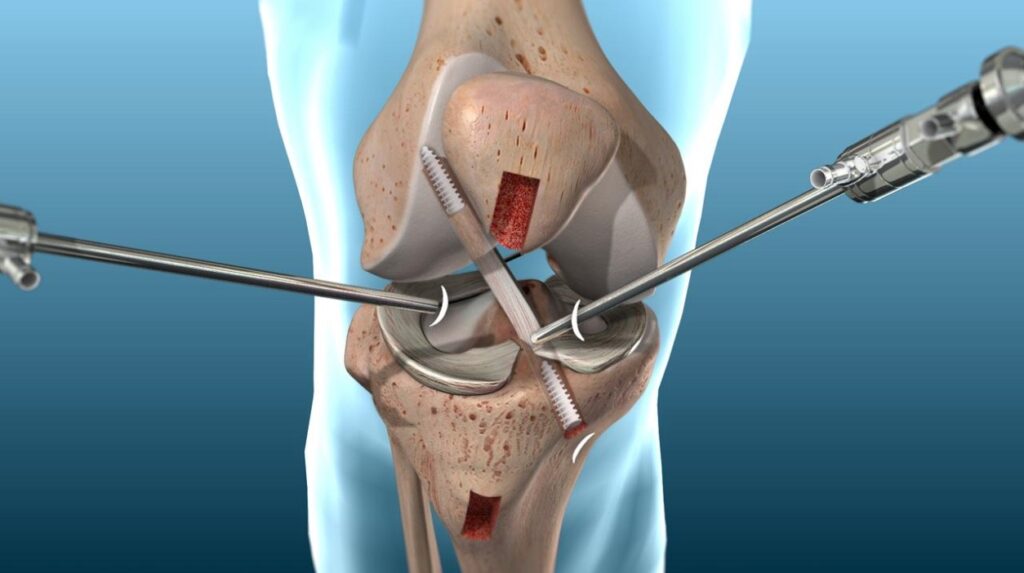
Knee replacement, arthroscopy, or other procedures may be discussed based on diagnosis. Not every patient with arthritis needs surgery, and not every patient will benefit from an injection.
A careful orthopedic evaluation helps identify the safest and most suitable path.
Why Diagnosis Matters Before Hyaluronic Acid Injection
Knee pain does not always come from osteoarthritis. Similar symptoms may result from a torn meniscus, ligament injury, gout, infection, tendon damage, fracture, hip disorder, or spine problem.
A Hyaluronic acid injection may offer little benefit when the true cause lies elsewhere. Accurate diagnosis helps avoid unsuitable care and guides patients toward treatment that matches the problem.
Dr. Tec may use physical examination, X-rays, medical history, and other tests to assess the joint. This process supports better decisions and clearer expectations.
Supporting Results After Hyaluronic Acid Injection
A Hyaluronic acid injection may work best as part of a broader joint-care plan. Doctor-approved exercise can help improve thigh, hip, and core strength. Strong supporting muscles may reduce stress placed on the knee.
Low-impact activities such as walking on level ground, stationary cycling, or water-based exercise may be recommended. Supportive footwear and proper pacing can also help.
Weight management may reduce knee load for patients who need it. Patients should also attend follow-up visits, complete rehabilitation, and report new symptoms.
Why Choose TEC ORTHOPEDICS for Hyaluronic Acid Injection?
TEC ORTHOPEDICS provides Hyaluronic acid injection treatment at Quezon City, Metro Manila, under the guidance of Dr. Tec, a board-certified orthopedic surgeon.
Care begins with a careful assessment rather than a one-size-fits-all recommendation. Dr. Tec listens to each patient’s concerns, evaluates joint function, reviews available tests, and explains treatment choices using clear language.
Patient participation remains central to planning. Goals may include walking more comfortably, returning to work duties, resuming light exercise, or reducing daily stiffness. The chosen plan reflects diagnosis, safety, lifestyle, and personal priorities.
TEC ORTHOPEDICS also supports coordinated rehabilitation when physical therapy forms part of care. This approach helps address both symptom relief and functional recovery.
When to Consult an Orthopedic Surgeon
An orthopedic consultation may be helpful when knee pain lasts for several weeks, keeps returning, or limits movement. Recurring swelling, stiffness after rest, difficulty using stairs, joint locking, instability, or pain that affects sleep should also be assessed.
Urgent care may be needed after a serious injury, sudden inability to bear weight, fever, marked redness, or rapid swelling.
Patients considering a Hyaluronic acid injection should first receive a proper diagnosis. Early assessment can help identify the cause and prevent repeated self-treatment that does not address the problem.
Take a Practical Step Toward More Comfortable Movement
A Hyaluronic acid injection may help selected patients with knee osteoarthritis reduce pain, ease stiffness, and move more comfortably. It offers a non-surgical option, but results vary and proper assessment remains necessary.
TEC ORTHOPEDICS at Quezon City, Metro Manila, provides patient-focused orthopedic care under Dr. Tec. A consultation can help determine whether a Hyaluronic acid injection fits your joint condition, health history, and mobility goals.
Frequently Asked Questions About Hyaluronic Acid Injection
What is a Hyaluronic acid injection used for?
A Hyaluronic acid injection is commonly used for pain and stiffness linked to knee osteoarthritis. It adds a lubricating substance to the joint and may support smoother movement.
How soon can relief begin?
Some patients may notice improvement after several days. Others may need several weeks. Response varies based on joint condition and individual factors.
How many injections are needed?
The number depends on the selected product and Dr. Tec’s recommendation. Some treatments involve one Hyaluronic acid injection, while others use a series.
Can a Hyaluronic acid injection cure osteoarthritis?
No. A Hyaluronic acid injection may help manage symptoms, but it cannot rebuild lost cartilage or cure arthritis.
Can I walk after treatment?
Light walking may be allowed, though strenuous activity may need temporary restriction. Follow Dr. Tec’s specific aftercare advice.
Are hyaluronic acid injections safe?
Most patients experience only mild temporary effects. Possible risks include soreness, swelling, bruising, allergy, or infection. Proper screening and sterile technique support safety.
How long does relief last?
Relief may last several months for some patients. Other patients may have a shorter response or no significant benefit.
Can treatment be repeated?
Repeat treatment may be considered after medical review. Timing depends on prior response, product guidance, and joint condition.
Is a Hyaluronic acid injection better than a steroid injection?
Neither option is best for everyone. Hyaluronic acid supports lubrication, while steroid medication mainly targets inflammation. Treatment choice depends on diagnosis and patient needs.
Where can I receive a Hyaluronic acid injection at Quezon City?
TEC ORTHOPEDICS provides Hyaluronic acid injection treatment at Quezon City, Metro Manila. Dr. Tec performs a full orthopedic assessment before recommending care.