Uveitis is a serious eye condition that involves inflammation inside the eye. It can affect the uvea, the middle layer of the eye, and may also involve other structures such as the retina and lens. Symptoms often include redness, eye pain, blurred vision, sensitivity to light, and floaters. Left untreated, uveitis can cause permanent vision loss. Prompt medical attention and proper uveitis treatment are crucial to preserving vision and preventing complications.
Uveitis can appear suddenly or develop gradually, and its severity varies depending on the cause. Some cases resolve quickly with proper care, while others become chronic or recurrent. Causes include infections such as viral or bacterial eye infections, or autoimmune diseases like lupus or rheumatoid arthritis. Uveitis treatment is designed to address the underlying cause, reduce inflammation, and prevent damage to critical eye structures.
What is Uveitis?
The uvea consists of the iris, ciliary body, and choroid, which support essential eye functions such as regulating light, producing fluid, and supplying blood to the retina. Uveitis is classified into four main types based on the affected area: anterior uveitis affects the front part of the uvea, intermediate uveitis affects the middle portion, posterior uveitis targets the back part, and panuveitis involves all layers of the uvea.
Symptoms of uveitis vary depending on the type and severity but typically include redness, pain, blurred vision, light sensitivity, and the appearance of floaters. Uveitis can result from systemic autoimmune diseases, infections, or, in some cases, remain idiopathic, meaning no specific cause is identified. Early recognition and proper uveitis treatment can help prevent complications such as cataracts, glaucoma, or permanent vision loss.
Why Early Diagnosis Matters
Prompt diagnosis is essential for effective uveitis treatment. Untreated uveitis can damage the uvea and other vital eye structures, leading to chronic inflammation and long-term complications. Chronic uveitis may cause vision problems, including glaucoma, cataracts, or retinal damage. Identifying the cause of uveitis allows ophthalmologists to provide targeted therapy, improving outcomes and protecting eyesight.
Regular eye exams are vital for early detection of uveitis, especially for individuals with autoimmune conditions or a history of eye infections. Early intervention can limit inflammation, reduce the risk of recurrence, and preserve visual function. Uveitis treatment tailored to the patient’s specific needs offers the best chance for preventing long-term vision loss.
Treatment Options for Uveitis
Uveitis treatment depends on the underlying cause and severity of inflammation. Most cases are treated with corticosteroids, which reduce inflammation and minimize damage to eye tissues. Steroids can be administered as eye drops, oral medication, or injections, depending on the location and severity of uveitis.
For cases caused by infection, antibiotics or antiviral medications are necessary to address the specific pathogen. Treating the underlying infection is crucial to ensure that inflammation resolves completely. Immunosuppressive therapy may also be recommended for severe or recurrent cases, especially when uveitis is linked to autoimmune diseases. A personalized treatment plan ensures the most effective care and reduces the risk of complications.
Alongside medical therapy, patients are advised to monitor symptoms and attend follow-up appointments. Adjusting treatment based on response and progression is a key component of successful uveitis treatment. Early and consistent management can significantly improve patient outcomes and protect vision.
How Peregrine Eye & Laser Institute Treats Uveitis
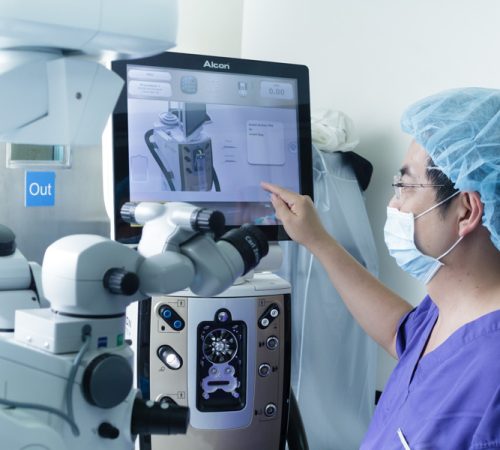
Peregrine Eye & Laser Institute (PELI) offers comprehensive uveitis treatment using advanced diagnostic and therapeutic techniques. Facilities in Makati, Manila, and Quezon City are equipped with state-of-the-art ophthalmic equipment and operating theaters, allowing experts to provide world-class care.
The team at PELI includes ophthalmologists trained at leading institutions such as Harvard Medical School, Johns Hopkins University, UCLA, California Pacific Medical Center, University of Wisconsin, and Singapore National Eye Center. These specialists have decades of clinical and surgical experience, ensuring expert management of both routine and complex uveitis cases.
PELI’s approach to uveitis treatment combines medical expertise with patient-centered care. Patients receive clear explanations of their condition, guidance on treatment options, and support throughout their recovery. Advanced imaging, laboratory testing, and surgical tools allow for precise diagnosis and targeted therapy, minimizing the risk of complications and improving outcomes.
Comfort and convenience are priorities at PELI. Clinics are designed for efficiency, and staff members are trained to provide friendly, attentive support. Scheduling systems are streamlined, making appointments and follow-ups smooth and hassle-free. Patients receive not only effective uveitis treatment but also a care experience that prioritizes their well-being and peace of mind.
Tips for Managing Uveitis and Protecting Eye Health
Managing uveitis involves following medical advice closely and adopting habits that support eye health. Patients should complete prescribed treatment regimens and attend all scheduled follow-ups to monitor progress. Ignoring symptoms or skipping treatments can increase the risk of flare-ups or chronic inflammation.
Lifestyle measures can help protect the eyes. Wearing protective eyewear against UV light, maintaining a healthy diet, and managing underlying autoimmune or infectious conditions can support treatment efforts. Stress management, proper sleep, and avoiding smoking are also beneficial for eye health. Combining these practices with medical care enhances the effectiveness of uveitis treatment and reduces the likelihood of vision-threatening complications.
Patient Experiences with Uveitis Treatment at PELI
Many patients have successfully regained stable vision and reduced inflammation with uveitis treatment at Peregrine Eye & Laser Institute. Stories often highlight the combination of expert medical care, compassionate support, and advanced technology. Personalized treatment plans allow each patient to receive care tailored to their specific condition, addressing both symptoms and underlying causes.
Patients frequently report feeling informed and confident throughout their treatment journey. Clear communication, detailed explanations, and ongoing monitoring ensure that patients understand their condition and the steps necessary to protect their vision. Uveitis treatment at PELI focuses not only on medical outcomes but also on patient comfort and long-term eye health.
Takeaway
Uveitis is a potentially serious eye condition that requires early diagnosis and effective treatment. Prompt intervention can reduce inflammation, prevent complications, and preserve vision. Treatment strategies include corticosteroids, antibiotics or antivirals, and immunosuppressive therapy, all customized based on the cause and severity of the condition.
Peregrine Eye & Laser Institute offers world-class uveitis treatment through advanced facilities, highly trained ophthalmologists, and a patient-focused approach. Combining medical expertise with compassionate care, PELI helps patients manage uveitis effectively while maintaining comfort and confidence throughout their treatment journey.
Protecting your vision starts with timely care. Scheduling a consultation at PELI ensures access to expert uveitis treatment and personalized support tailored to your eye health needs.
FAQ: Uveitis Treatment
What are the early signs of uveitis?
Early signs include eye redness, pain, blurred vision, floaters, and sensitivity to light. Prompt attention can prevent complications.
How is uveitis treated?
Treatment depends on the cause. Corticosteroids reduce inflammation, while antibiotics or antivirals treat infections. Severe or recurrent cases may require immunosuppressive therapy.
Can uveitis cause permanent vision loss?
Yes. Untreated or chronic uveitis can damage the eye and lead to permanent vision impairment. Early diagnosis and proper treatment are essential.
How often should I have eye exams if I have uveitis?
Frequency varies based on severity and cause, but regular check-ups are critical to monitor inflammation and prevent recurrence.
Is uveitis contagious?
Most cases are not contagious. Uveitis caused by autoimmune conditions or non-infectious triggers cannot spread to others.
Can lifestyle changes help manage uveitis?
Yes. Protecting eyes from UV light, managing autoimmune or infectious conditions, maintaining a healthy lifestyle, and following treatment plans support effective uveitis management.