Clearer sight can change how you read, drive, walk, cook, work, and enjoy daily life. For many people, cataracts slowly steal that comfort. Vision may start to look cloudy, blurry, yellowish, or faded. Lights may glare more than before. Night driving may feel stressful. Reading small text may take extra effort. These changes can be easy to dismiss at first, but they may point to cataracts.
Patients searching for Dropless cataract surgery in Naga often want cataract care that feels clear, practical, and easier to manage after surgery. Traditional cataract surgery often requires several eye drops after the procedure. A dropless or drop-reducing approach may help lessen that burden for selected patients by allowing the ophthalmologist to place medication at or near the eye during surgery.
Lee Tan Eye Center helps patients from Naga City and the Bicol Region better understand cataracts, cataract evaluation, lens choices, surgical steps, and recovery options. Dropless cataract surgery in Naga may be worth discussing if you want clearer vision with a simpler aftercare plan, provided your eye condition and medical history make you a suitable candidate.
What Is Dropless Cataract Surgery in Naga?
Dropless cataract surgery in Naga refers to cataract surgery that may reduce or remove the need for multiple postoperative eye drops. During standard cataract surgery, the cloudy natural lens of the eye is removed and replaced with a clear artificial lens called an intraocular lens or IOL. This IOL stays inside the eye permanently and does not require cleaning or maintenance.
The “dropless” part focuses on aftercare. Instead of relying only on several bottles of drops after the procedure, the eye surgeon may place medication during surgery to help control swelling and lower the risk of infection. Not every patient can receive this approach, and some may still need drops after surgery. That is why proper evaluation by an ophthalmologist matters.
For patients considering Dropless cataract surgery in Naga, the goal is not only clearer vision. The goal is also a recovery plan that may be easier to follow, especially for older adults, busy patients, people who struggle to place drops, or family caregivers managing several medications.
Understanding Cataracts and Cloudy Vision
A cataract forms when the eye’s natural lens becomes cloudy. A healthy lens helps focus light clearly so the brain can create a sharp picture. When cataracts develop, light can no longer pass through the lens properly. This can make vision look foggy, dull, or blurred.
Many patients describe cataracts as looking through a foggy window. Colors may appear less bright. White objects may look yellowish. Reading may require brighter light. Driving at night may feel harder because headlights and streetlights may create glare. Some people also notice frequent changes to eyeglass prescription.
Dropless cataract surgery in Naga can be discussed when cataracts have started to affect comfort, function, or quality of life. Cataracts usually progress slowly, but once they interfere with normal tasks, an eye exam becomes more urgent.
Common Signs That You May Need a Cataract Evaluation
A cataract evaluation at Lee Tan Eye Center may be helpful if you notice cloudy sight, blurry vision, faded colors, glare, halos, light sensitivity, trouble reading, poor night vision, or difficulty recognizing faces from a distance. Some patients also feel less confident walking outdoors, crossing roads, or moving through dim areas.
Cataracts can affect safety. Poor vision may raise the risk of falls, especially among older adults. It can also make driving less safe, particularly at night or during rainy weather. Better vision after cataract surgery may help patients feel more secure with everyday movement.
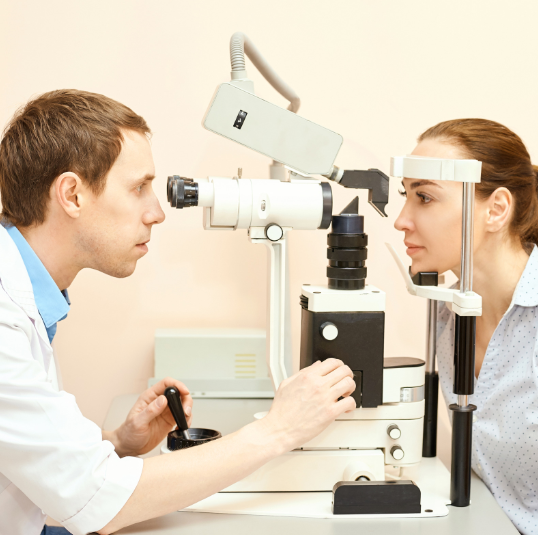
Dropless cataract surgery in Naga may be part of the discussion after the doctor checks the cataract, overall eye health, eye pressure, cornea, retina, current medications, and personal health history. A full eye evaluation helps determine whether cataract surgery is needed and which aftercare plan may be suitable.
Why Patients Ask About Dropless Cataract Surgery in Naga
Many patients ask about Dropless cataract surgery in Naga because traditional eye drop routines can feel confusing. After cataract surgery, some patients may receive more than one bottle of drops with different schedules. A patient may need to remember which drop to use, how often to use it, and how long to continue it.
This can be hard for older patients with arthritis, hand tremors, poor grip strength, memory concerns, or limited help at home. Some patients accidentally miss drops. Others place too many drops or touch the bottle tip to the eye. Caregivers may also find the routine tiring when both eyes need surgery at separate times.
Dropless cataract surgery in Naga may help simplify recovery for suitable patients. A lower drop burden can make aftercare feel less stressful. It may also support better consistency because the medication has already been placed by the surgeon during the procedure.
What Happens During Cataract Surgery?
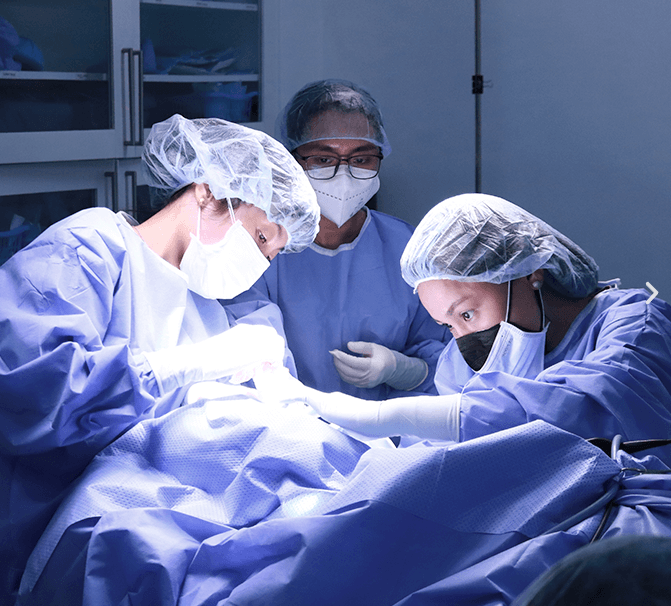
Cataract surgery is usually performed as an outpatient procedure. This means the patient can typically go home the same day. The procedure often takes around 15 to 30 minutes, although preparation and recovery time at the facility may make the full visit longer.
Before surgery starts, numbing drops are placed to help keep the eye comfortable. The patient remains relaxed while the surgeon works through very small surgical openings. The cloudy lens is gently removed through modern microsurgical techniques. After that, a clear artificial IOL is placed to replace the cloudy lens.
At Lee Tan Eye Center, the cataract care process is designed around comfort, clarity, and patient education. Patients considering Dropless cataract surgery in Naga should ask how the procedure works, what lens options are available, what medication plan may be used, and what signs to watch for after surgery.
How Dropless Cataract Surgery in Naga May Make Recovery Easier
Dropless cataract surgery in Naga may reduce the number of eye drops needed after surgery. This can make recovery easier to manage, especially for patients who find drop schedules difficult. It may also be helpful for people who live far from the clinic or rely on family members for daily care.
A dropless approach may involve medication placed by the surgeon to help control swelling and protect against infection. The exact medication plan depends on the doctor’s judgment, the patient’s eye health, and the surgical approach. Some patients may still need drops if the ophthalmologist believes extra medication is needed.
The key point is that dropless does not always mean zero drops for every patient. It means the aftercare plan may be less dependent on frequent eye drops. A careful consultation helps set realistic expectations.
Who May Be a Candidate for Dropless Cataract Surgery in Naga?
Not all patients are candidates for Dropless cataract surgery in Naga. Suitability depends on several factors, such as eye health, cataract severity, history of glaucoma, diabetes, retinal disease, allergies, past eye surgery, medication sensitivity, and risk for swelling or infection.
Patients with certain eye conditions may need a more traditional drop plan. Others may need a mixed plan where surgery includes medication placement plus a smaller number of drops afterward. The safest option is the one your ophthalmologist recommends after a full eye exam.
Dr. Lee Tan’s background as a board-certified ophthalmologist with glaucoma fellowship training gives patients access to careful assessment, especially when cataracts exist together with other eye concerns such as glaucoma or elevated eye pressure. This matters because cataract care should never focus only on removing the cloudy lens. It should also protect the long-term health of the eye.
Benefits Patients Often Want From Cataract Surgery
Patients seek cataract surgery because they want clearer sight and better daily function. Cataract surgery can remove the foggy-window effect caused by a cloudy lens. Many patients notice sharper details and brighter colors after recovery. The world may look cleaner, clearer, and more natural.
Better vision may also support safer movement. Patients may feel more confident walking, reading labels, cooking, watching television, recognizing faces, and moving through busy spaces. Night driving may also feel less difficult for selected patients after vision clears, though each patient’s result can vary.
Dropless cataract surgery in Naga adds another possible benefit: a simpler recovery routine. For people who worry about eye drops, forgetfulness, or caregiver burden, this approach may offer welcome relief when medically suitable.
Lens Choices Matter During Cataract Surgery
During cataract surgery, the cloudy natural lens is replaced with an IOL. The type of IOL selected can affect how you see after surgery. Some lenses are designed mainly for clearer distance vision. Others may help with a wider range of focus, depending on the patient’s eye condition and lifestyle needs.
Lens selection should be discussed carefully before surgery. Patients should share their daily habits, such as reading, computer work, driving, outdoor activities, phone use, and hobbies. The doctor can then explain which lens options may match those visual goals.
Dropless cataract surgery in Naga should be viewed as one part of the total cataract plan. The lens choice, surgical approach, eye health, and recovery plan all matter. Good planning helps patients know what to expect before, during, and after the procedure.
Recovery After Dropless Cataract Surgery in Naga
Many patients notice clearer vision within 24 to 48 hours after cataract surgery, though healing time can vary. Some mild blurriness, scratchy feeling, tearing, or light sensitivity may occur during early recovery. These symptoms often settle as the eye heals, but any unusual pain, sudden vision loss, heavy redness, discharge, or flashes of light should be reported right away.
After Dropless cataract surgery in Naga, patients still need to follow the ophthalmologist’s recovery advice. A simpler medication plan does not mean aftercare can be ignored. Patients may still need protective eyewear, activity limits, follow-up visits, and careful hygiene.
Avoid rubbing the eye. Avoid dusty areas when possible. Follow instructions about bathing, face washing, screen use, reading, and return to work. Recovery is usually smoother when patients follow the plan given by their eye doctor.
Why Choose Lee Tan Eye Center for Cataract Care?
Lee Tan Eye Center serves patients from Naga City and the Bicol Region who need trusted eye care for cataracts and other vision concerns. The clinic is led by Dr. Lee Tan, a board-certified ophthalmologist with glaucoma fellowship training from the University of the Philippines–Philippine General Hospital.
Dr. Tan’s training and patient-centered approach support careful evaluation, clear communication, and step-by-step care. This is valuable for patients who may feel nervous about cataract surgery or unsure about dropless recovery options.
Patients asking about Dropless cataract surgery in Naga can expect a discussion based on their own eye findings, not a one-size-fits-all answer. The goal is to help each patient understand the cataract, the treatment choices, the lens options, and the safest aftercare plan.
Local Access for Patients Across Naga City and Bicol
Finding reliable cataract care close to home matters. Travel can be difficult for older adults and patients with cloudy vision. Having access to cataract evaluation and ophthalmology care near Naga City can make the process more comfortable for patients and families across the Bicol Region.
Dropless cataract surgery in Naga may be especially helpful for patients who want less complicated aftercare while staying close to their support system. Local care also makes follow-up visits easier, which is important after any eye surgery.
Lee Tan Eye Center’s role as a trusted cataract surgery clinic for Naga City and the Bicol Region makes it a practical choice for patients seeking clear guidance, modern cataract care, and honest discussion about dropless options.
What to Ask During Your Cataract Consultation
Before choosing Dropless cataract surgery in Naga, patients should ask questions that help them feel prepared. Ask whether your cataract is ready for surgery. Ask which IOL options match your vision goals. Ask whether dropless medication is suitable for your eye condition. Ask whether you may still need drops after surgery.
You can also ask what recovery will feel like, how soon you may notice clearer vision, when you can return to normal tasks, and what warning signs require urgent care. A good consultation should make the procedure easier to understand.
Patients should also share all medical history, eye history, allergies, current medications, and prior surgeries. These details help the ophthalmologist choose the safest approach.
Dropless Cataract Surgery in Naga and Realistic Expectations
Dropless cataract surgery in Naga can be a helpful option for selected patients, but expectations should stay realistic. Cataract surgery can clear the cloudy lens, but final vision can also be affected by other eye problems such as glaucoma, macular disease, diabetic eye disease, corneal problems, or optic nerve damage.
Some patients may still need glasses after surgery, depending on lens choice and visual needs. Some may need reading glasses, distance glasses, or glasses for specific tasks. The ophthalmologist can explain what your lens choice may or may not correct.
Dropless cataract surgery in Naga should be chosen after a careful eye exam and a clear talk with your doctor. The best result starts with proper diagnosis, safe planning, and good aftercare.
Frequently Asked Questions About Dropless Cataract Surgery in Naga
What does dropless cataract surgery mean?
Dropless cataract surgery refers to cataract surgery where the surgeon places medication during the procedure to reduce or remove the need for several postoperative eye drops. Some patients may still need drops, depending on eye health and doctor recommendation.
Is Dropless cataract surgery in Naga right for everyone?
No. Dropless cataract surgery in Naga may not suit every patient. People with certain eye diseases, medication concerns, diabetes-related eye issues, or higher swelling risk may need a different aftercare plan.
Does cataract surgery hurt?
Cataract surgery is usually done with numbing drops to help keep the eye comfortable. Patients may feel mild pressure or movement, but the procedure should not be painful. Tell your doctor right away if you feel discomfort.
How long does cataract surgery take?
The procedure commonly takes around 15 to 30 minutes. The full clinic or surgical visit may take longer because of preparation, eye checks, and recovery monitoring before going home.
How soon will vision get clearer?
Many patients notice better vision within 24 to 48 hours, though healing varies. Vision may continue to settle over days or weeks. Your ophthalmologist will explain what is normal for your case.
Will I still need glasses after cataract surgery?
Possibly. Some patients still need reading glasses, distance glasses, or glasses for specific tasks. Your IOL choice and eye condition can affect how much you rely on glasses after surgery.
What makes Lee Tan Eye Center a trusted choice?
Lee Tan Eye Center offers cataract care led by Dr. Lee Tan, a board-certified ophthalmologist with glaucoma fellowship training. Patients from Naga City and the Bicol Region can receive careful eye evaluation, cataract guidance, and discussion of options such as Dropless cataract surgery in Naga.
How can I prepare for my cataract consultation?
Bring your eyeglasses, medication list, allergy history, prior eye records if available, and a list of symptoms. Be ready to share how cataracts affect your daily life. This helps the ophthalmologist recommend the right plan.