Clear sight supports reading, driving, work, learning, mobility, and everyday comfort. Changes such as blurry vision, eye strain, glare, headaches, redness, or trouble seeing at night may seem minor at first, yet each symptom deserves proper attention. A qualified optical doctor in Quezon City can assess the cause, explain possible care options, and guide patients toward suitable treatment.
Peregrine Eye and Laser Institute, also known as PELI, provides comprehensive eye care backed by experienced specialists, advanced ophthalmic equipment, modern operating theatres, and compassionate service. With facilities across Makati, Manila, and Quezon City, PELI gives patients access to medical and surgical eye care close to home.
Choosing an optical doctor in Quezon City should involve more than checking a prescription. Good eye care looks at visual clarity, eye health, medical history, daily habits, and possible disease risks. Early assessment can protect eyesight and support a better quality of life.
What Does an Optical Doctor Do?
“Optical doctor” is a common phrase used by people searching for professional eye care. The phrase may refer to an ophthalmologist, optometrist, or another eye care professional, though each role has a different scope.
An ophthalmologist is a medical doctor trained to diagnose eye diseases, prescribe medication, provide medical treatment, and perform eye surgery when needed. An optometrist commonly checks visual acuity, evaluates refractive errors, and prescribes eyeglasses or contact lenses. Optical staff may assist with eyewear selection, lens fitting, and related services.
Patients who have eye pain, sudden vision changes, flashes, floaters, possible cataracts, glaucoma risks, retinal concerns, or other medical symptoms may need an ophthalmologist. A trusted optical doctor in Quezon City can determine which tests are appropriate and whether medical treatment, surgery, glasses, monitoring, or another form of care may be suitable.
Signs That You Should Visit an Optical Doctor in Quezon City
Eye problems do not always cause severe discomfort. Some conditions develop slowly, while others appear without warning. A professional examination becomes especially valuable when visual changes begin to affect normal tasks.
Common reasons to consult an optical doctor in Quezon City include blurry vision, cloudy sight, double vision, frequent headaches, eye pressure, eye pain, redness, light sensitivity, poor night vision, glare, halos around lights, difficulty reading, and discomfort after screen use.
New flashes, floaters, dark spots, or a curtain-like shadow across vision may point to a retinal problem that requires urgent assessment. Sudden vision loss, severe pain, chemical exposure, or eye trauma also calls for prompt medical care.
People with diabetes, hypertension, a family history of glaucoma, previous eye surgery, long-term medication use, or age-related vision changes may need regular eye checks even when eyesight seems stable. An optical doctor in Quezon City can recommend a visit schedule based on personal risk factors.
Why Regular Eye Examinations Matter
Regular eye examinations do more than measure how clearly a person can see letters on a chart. A full assessment may help detect cataracts, glaucoma, retinal disease, corneal concerns, dry eye, refractive errors, and other conditions.
Some eye diseases may progress without obvious early symptoms. Glaucoma, for example, can affect the optic nerve before a patient notices meaningful vision loss. Diabetic eye disease may also cause damage before daily sight feels different. Early detection may allow closer monitoring and timely treatment.
Children may need checks for visual development and learning-related concerns. Adults may require care for screen fatigue, prescription changes, dry eye, or workplace visual demands. Older patients may face a higher chance of cataracts, glaucoma, macular changes, and other age-related problems.
A routine visit with an optical doctor in Quezon City can create a useful baseline. Future results may then be compared with earlier findings, helping the doctor track changes over time.
What Happens During a Comprehensive Eye Examination?
The exact process depends on symptoms, age, health history, and the doctor’s clinical judgment. A consultation usually starts with questions about current concerns, previous eye conditions, medications, past procedures, family history, and general health.
Visual acuity testing measures how clearly each eye sees at different distances. Refraction checks whether nearsightedness, farsightedness, astigmatism, or presbyopia may affect vision. Eye pressure measurement may support glaucoma assessment.
The doctor may also examine the cornea, lens, retina, optic nerve, eyelids, pupils, and eye movements. Pupil-dilating drops may be used so internal eye structures can be viewed more clearly. Extra tests may be recommended based on findings.
A patient-centered optical doctor in Quezon City should explain results using clear language. Patients should have enough information to understand possible causes, available options, expected follow-up, and warning signs that require urgent care.
Eye Conditions an Optical Doctor May Assess
Many people seek an optical doctor in Quezon City because of a prescription concern, yet visual symptoms can have several possible causes. A complete examination helps separate a simple refractive error from a medical eye condition.
Refractive Errors
Nearsightedness can make distant objects appear blurry. Farsightedness may affect near tasks, though symptoms vary by age. Astigmatism can cause distorted or blurred vision at multiple distances. Presbyopia usually affects near focus as people get older.
Glasses, contact lenses, or other correction options may help, depending on the patient’s needs and eye health.
Cataracts
A cataract causes the eye’s natural lens to become cloudy. Possible symptoms include faded colors, glare, halos, blurry vision, and difficulty with night driving. A doctor can assess cataract severity and discuss whether observation, prescription updates, or surgery may be appropriate.
Glaucoma
Glaucoma refers to a group of conditions that can damage the optic nerve. Eye pressure is an important factor, but pressure alone does not give a complete picture. Optic nerve evaluation and other tests may be required.
Regular care from an optical doctor in Quezon City may help identify glaucoma risks before major vision changes occur.
Retinal Conditions
The retina plays a key role by receiving light and sending visual signals to the brain. Diabetes, aging, tears, detachment, or other problems may affect retinal health. Flashes, floaters, sudden blur, dark areas, or distorted sight should not be ignored.
Dry Eye and Surface Problems
Dry eye may cause burning, grittiness, redness, watering, fluctuating vision, or tired eyes. Screen use, air conditioning, environmental exposure, medication, eyelid concerns, and tear quality may contribute. Treatment depends on the cause and severity.
Corneal and External Eye Concerns
The cornea, eyelids, and surrounding tissues may be affected by infection, allergy, injury, inflammation, or structural problems. Persistent irritation, swelling, discharge, pain, or redness should be checked by a qualified doctor.
Eye Care for Children, Adults, and Older Patients
Eye care needs change throughout life. Children rely on clear vision for reading, classroom participation, sports, and visual development. Signs such as squinting, sitting close to screens, covering one eye, frequent eye rubbing, or difficulty following schoolwork may warrant an assessment.
Adults often deal with long screen hours, changing prescriptions, dry eye symptoms, headaches, glare, or visual fatigue. Workers who drive, operate equipment, perform detailed tasks, or spend many hours on digital devices may benefit from regular eye checks.
Older adults may notice trouble reading, reduced contrast, glare, slower adjustment between bright and dark areas, or weaker night vision. Cataracts, glaucoma, retinal problems, and dry eye become more common with age.
A dependable optical doctor in Quezon City can support patients across different life stages through appropriate examinations, education, monitoring, and care planning.
How to Choose the Right Optical Doctor in Quezon City
Qualifications, specialist training, clinical experience, equipment, communication, safety, and patient support should all be considered. A strong eye care provider should listen closely, assess symptoms carefully, and explain choices without rushing the patient.
Access to modern diagnostic tools may support accurate evaluation. Skilled staff, organized appointment systems, comfortable facilities, and clear treatment instructions also shape the patient experience.
Location matters as well. Follow-up visits may be needed for chronic eye disease, post-surgical care, prescription monitoring, or further testing. Choosing an optical doctor in Quezon City can make ongoing care more practical for local residents and nearby communities.
Patients may also ask whether the facility handles both routine and complex cases, offers medical and surgical services, and works with doctors from different ophthalmology specialties.
Why Patients Choose Peregrine Eye and Laser Institute
PELI began from a shared vision formed during 2012 by Mr. Jimmy Tan, Dr. Harvey Uy, and Dr. Pik Sha Chan Uy. Peregrine Eye and Laser Institute was established during January 2013 with the goal of providing world-class eye care supported by advanced technology and personalized service.
PELI now operates key facilities across Makati, Manila, and Quezon City. Its Quezon City location gives patients another option when searching for an optical doctor in Quezon City who can provide comprehensive assessment and treatment.
The institute brings together medical experts from different ophthalmology specialties and subspecialties. Team members have trained at globally recognized educational and medical institutions such as Harvard Medical School, Johns Hopkins University, UCLA, California Pacific Medical Center, University of Wisconsin, and Singapore National Eye Centre.
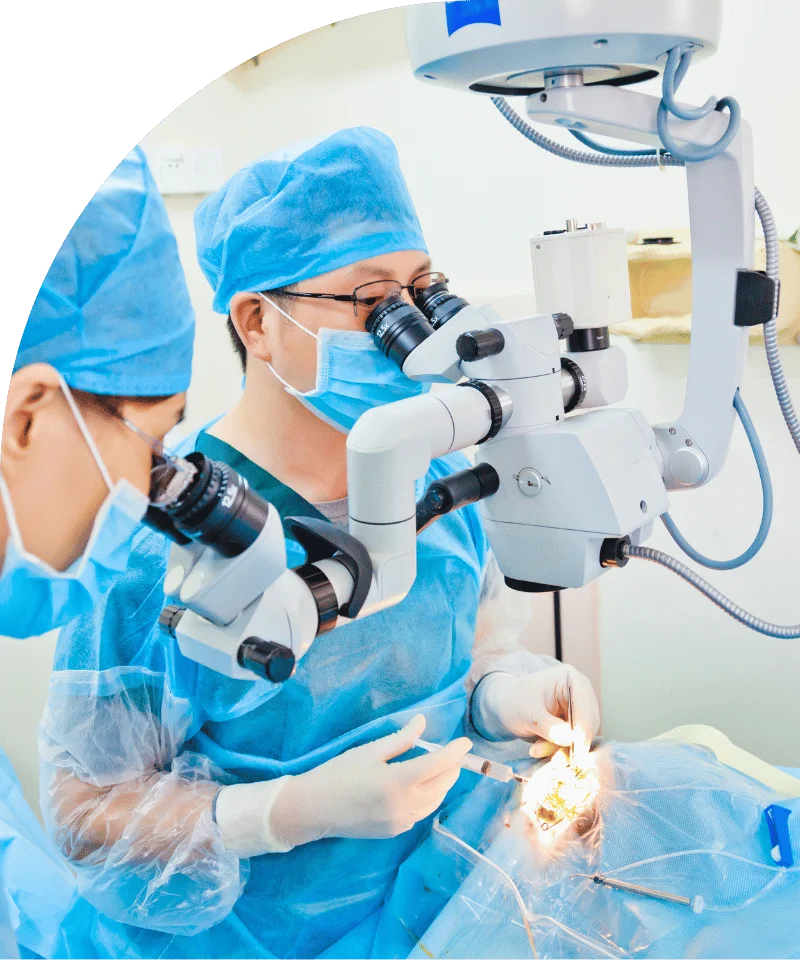
PELI also offers a complete line of ophthalmic equipment and modern operating theatres. Such resources support care for routine concerns as well as difficult cases involving Filipino and foreign patients.
Medical skill remains only one part of PELI’s approach. The institute also places strong value on kindness, efficiency, comfort, clear communication, and personalized service. Doctors provide relevant information and discuss possible options so patients can make thoughtful choices about their care.
Advanced Technology Supporting Eye Diagnosis and Treatment
Modern eye care often depends on detailed imaging, careful measurement, and precise examination. Ophthalmic equipment can help doctors study structures that cannot be assessed through symptoms alone.
Technology may support evaluation of the cornea, lens, retina, optic nerve, eye pressure, and other parts of the visual system. Surgical equipment and well-equipped operating theatres may also support safe, organized procedures when surgery becomes necessary.
Technology does not replace clinical judgment. A qualified optical doctor in Quezon City must connect test findings with symptoms, health history, examination results, and patient goals. PELI combines medical expertise with modern resources to provide informed care within a safe and caring environment.
Personalized Eye Care at PELI Quezon City
Each patient brings a different set of symptoms, concerns, responsibilities, and health factors. A student may need help with blurry distance vision. A working adult may struggle with glare and screen discomfort. An older patient may need cataract or glaucoma assessment. A person with diabetes may require retinal monitoring.
Personalized eye care starts with listening. The doctor reviews symptoms, medical history, visual needs, and test results before discussing options. Treatment may involve glasses, medication, monitoring, a procedure, surgery, or referral to a suitable subspecialist.
PELI’s patient-focused approach aims to combine scientifically current care with compassionate service. This reflects its promise of “Eye Care Like No Other.” Patients searching for an optical doctor in Quezon City can expect care that considers both medical needs and personal comfort.
Preparing for Your Eye Consultation
Preparation can help patients make better use of their appointment. Bring current eyeglasses, contact lens details, previous prescriptions, past eye records, and a list of medications. Write down symptoms, when they started, what makes them better or worse, and whether one or both eyes are affected.
Share any history of diabetes, hypertension, eye injury, surgery, glaucoma, cataracts, retinal disease, or family eye problems. Mention work habits, screen hours, driving concerns, and other visual demands.
Prepare questions about diagnosis, tests, treatment choices, possible side effects, recovery, follow-up, and warning signs. When pupil dilation may be needed, arranging transport can be helpful because close vision and light sensitivity may be affected for several hours.
A prepared visit with an optical doctor in Quezon City can support clearer discussion and more useful care planning.
Questions to Ask Your Optical Doctor
Patients should feel comfortable asking direct questions. Useful examples include:
- What may be causing my symptoms?
- Has my prescription changed?
- Do I show signs of cataracts, glaucoma, retinal disease, or another condition?
- Are more tests needed?
- What treatment choices may suit my case?
- What are the possible benefits and risks?
- How often should I return?
- Which symptoms require urgent care?
- Could my medical condition or medication affect my eyes?
- What daily habits may help protect my sight?
Clear answers build trust and help patients take an active role during care.
How Early Eye Care Supports Quality of Life
Healthy vision affects independence, education, employment, mobility, safety, communication, and recreation. Even a small visual problem can make reading, driving, recognizing faces, or moving through unfamiliar places harder.
Early assessment may reveal a correctable prescription problem or a medical condition that needs treatment. Waiting until symptoms become severe can reduce available options for certain diseases.
A visit to an optical doctor in Quezon City gives patients a chance to address current symptoms, review risk factors, and create a suitable care plan. Regular follow-up may also support long-term monitoring for conditions that change gradually.
PELI’s mission centers on improving quality of life through exceptional eye care, modern technology, safe practice, and compassionate service. Its wider commitment also includes support for research and community programs aimed at preventing vision impairment.
Choose Peregrine Eye and Laser Institute for Eye Care at Quezon City
Finding the right optical doctor in Quezon City means choosing a provider with medical expertise, specialist support, modern facilities, clear communication, and respect for patient comfort.
Peregrine Eye and Laser Institute offers a team of ophthalmology specialists, comprehensive eye care services, advanced ophthalmic equipment, and modern operating theatres. Its Quezon City facility provides convenient access for patients who need routine examinations, medical eye care, diagnostic testing, surgical assessment, or ongoing monitoring.
Vision changes deserve proper attention. A timely consultation can identify the cause, reduce uncertainty, and help protect sight. Patients seeking an optical doctor in Quezon City may consider PELI for personalized care backed by experienced doctors and a strong commitment to patient well-being.
Frequently Asked Questions
Is an optical doctor the same as an ophthalmologist?
“Optical doctor” is a common search phrase rather than a formal medical title. An ophthalmologist is a medical doctor trained to diagnose eye disease, prescribe treatment, and perform eye surgery. An optometrist usually focuses on vision testing, refractive errors, glasses, and contact lenses.
How often should I visit an optical doctor in Quezon City?
The right schedule depends on age, symptoms, medical history, family history, and existing eye conditions. Patients with diabetes, glaucoma risks, previous surgery, or ongoing treatment may need more frequent visits.
Should I get an eye examination even when my vision feels normal?
Yes. Some eye conditions may develop without clear early symptoms. Regular examinations may help detect changes before they affect daily sight.
What symptoms need urgent eye care?
Sudden vision loss, severe eye pain, chemical exposure, eye trauma, new flashes, many new floaters, or a curtain-like shadow across vision may require urgent medical assessment.
Can an optical doctor check for cataracts and glaucoma?
A qualified ophthalmologist can assess cataracts, glaucoma, retinal disease, corneal problems, dry eye, and many other eye conditions through examination and suitable tests.
Does PELI have a Quezon City facility?
Yes. Peregrine Eye and Laser Institute operates key facilities across Makati, Manila, and Quezon City.
What should I bring to my eye appointment?
Bring current glasses, contact lens information, medication details, past eye records, medical history, and notes about symptoms. Previous test results may also help the doctor understand changes over time.
Why choose PELI when looking for an optical doctor in Quezon City?
PELI offers experienced ophthalmology specialists, modern diagnostic resources, advanced operating theatres, comprehensive services, and patient-focused care. Its team aims to provide clear information, thoughtful treatment choices, and a comfortable clinical experience.