
Living with persistent bone or joint problems can affect nearly every part of daily life. Pain may make simple activities such as walking, climbing stairs, exercising, working, or sleeping more difficult. When symptoms continue or an injury affects mobility, consulting an orthopedic specialist can help identify the underlying problem and appropriate treatment options. However, finding the best orthopedic doctor in the Philippines requires more than choosing the first physician that appears in an online search. Orthopedic medicine includes many subspecialties, and doctors may focus on different parts of the musculoskeletal system. The ideal physician for a patient with a knee injury may differ from the appropriate specialist for someone experiencing a spinal condition or a child’s developmental orthopedic concern. Understanding what to look for can make the search more organized, practical, and informed.
What Orthopedic Doctors Treat
Orthopedic doctors diagnose and manage conditions involving the bones, joints, muscles, ligaments, tendons, and other components of the musculoskeletal system. Patients may visit an orthopedic specialist because of an injury, chronic pain, limited movement, or a diagnosed orthopedic condition. Common concerns include fractures, arthritis, sports injuries, ligament damage, joint disorders, and certain spinal conditions. Some orthopedic physicians provide nonsurgical treatment, while others perform procedures and surgeries in addition to managing conservative care. Treatment can include rehabilitation, physical therapy, medication, activity modification, bracing, injections, minimally invasive procedures, or surgery. The appropriate approach depends on the patient’s diagnosis, symptoms, health status, and functional goals. Understanding the role of orthopedic medicine can help patients determine when specialized care may be appropriate.
Why the Right Specialist Makes a Difference
Orthopedic care is highly diverse, which means patients should consider whether a doctor’s expertise matches their particular medical concern. A specialist who frequently treats knee conditions may have a different professional focus from a physician who primarily manages spinal disorders. Similarly, a pediatric orthopedic specialist works with children whose bones and joints are still developing. Selecting a physician with relevant experience can make it easier to receive focused evaluation and treatment. The Philippine Orthopaedic Association recognizes multiple orthopedic subspecialty areas, reflecting the range of expertise within the field. (orthophil.org) Patients can use recognized professional resources to research specialists according to their location and area of practice. This approach can be more meaningful than choosing a physician based solely on general popularity.
Start Your Search With Your Symptoms
A useful first step is to identify what is bothering you and how it affects your daily activities. Patients should consider where the pain or limitation occurs, how long it has been present, and whether an injury caused the symptoms. Knee pain after sports activity may point toward a different area of expertise than chronic hip discomfort or persistent back pain. Swelling, stiffness, weakness, instability, or reduced range of motion can also provide useful information for a medical evaluation. Patients who already have diagnostic results can use those findings when looking for a relevant specialist. Those without a diagnosis can begin with an orthopedic consultation and allow the physician to determine whether further specialization is necessary. Clearly identifying the main concern can make it easier to find an appropriate orthopedic doctor.
Understand Orthopedic Subspecialties
Patients searching for the best orthopedic doctor in the Philippines may encounter specialists who focus on different parts of the body or types of orthopedic treatment. Hip and knee specialists commonly address arthritis, joint damage, ligament injuries, and conditions involving these major joints. Spine specialists focus on various conditions involving the spinal structures and related problems. Sports medicine specialists frequently evaluate injuries associated with exercise, athletic activity, and physical performance. Foot and ankle specialists treat conditions affecting these important weight-bearing structures, while hand and upper-extremity specialists focus on the hand, wrist, elbow, and related areas. Pediatric orthopedic specialists provide care for children with orthopedic injuries, deformities, and developmental concerns. Recognizing these categories can help patients narrow their search according to their specific symptoms or diagnosis.
Examine Professional Training and Credentials
A physician’s education and specialist training should be among the factors considered before choosing an orthopedic doctor. Patients can review whether the physician has completed appropriate orthopedic residency training and whether additional fellowship training applies to their particular condition. Subspecialty training can be especially relevant for patients who require specialized procedures or treatment. Professional affiliations can provide another source of information when researching a physician’s background. The Philippine Orthopaedic Association provides regional directories where patients can find orthopedic specialists and information about their listed areas of expertise. Hospital affiliations can also help patients identify where a doctor practices and what facilities may be available. Reviewing these details can help patients make decisions based on professional information rather than relying only on advertising or online rankings.
Consider Experience With Your Condition
Experience can be particularly valuable when a patient has a complicated injury or is considering a significant procedure. Patients can ask whether the orthopedic doctor regularly treats their specific condition. Someone considering knee surgery, for example, may want to understand the doctor’s experience with the relevant type of knee procedure. Individuals with complex spinal concerns may prefer to consult a specialist whose practice focuses heavily on spine care. Experience should be considered alongside formal qualifications and current professional training. Patients can also ask how treatment decisions are made and whether nonsurgical alternatives may be appropriate. This information can help patients understand whether the physician’s clinical focus aligns with their individual needs.
Pay Attention to Communication
A strong doctor-patient relationship can make orthopedic care easier to understand and manage. Patients may receive information about imaging results, treatment options, rehabilitation, and potential procedures during an orthopedic consultation. Medical terminology can sometimes be confusing, so patients should feel comfortable asking for explanations in simpler language. A physician who takes time to address questions can help patients become more informed about their care. Communication is particularly important when a treatment involves a lengthy recovery period or significant lifestyle changes. Patients should consider whether the doctor listens carefully to their concerns and explains why a specific treatment is being recommended. Feeling informed and respected can be an important part of choosing an orthopedic specialist.
Understand the Diagnostic Process
Orthopedic evaluation typically begins with a review of symptoms and medical history followed by a physical examination. The doctor may assess strength, flexibility, movement, stability, swelling, and other physical signs. X-rays may be used to evaluate bones, joint spaces, alignment, or certain injuries. MRI scans can provide detailed information about soft tissues, including some ligaments, tendons, cartilage, and other structures. CT scans may be useful for providing detailed views of bone and certain complex injuries. Additional tests may be recommended depending on the suspected diagnosis. Patients should ask what each test is intended to identify and how the results could affect their treatment plan.
Explore Nonsurgical Care
Many orthopedic conditions can be treated without surgery, depending on their cause and severity. Physical therapy may help patients improve strength, flexibility, coordination, and mobility. Doctors may recommend changes to activities that place excessive stress on an injured or painful area. Medication or supportive devices may also be considered when medically appropriate. Braces, orthotics, and other forms of support can sometimes help patients manage certain orthopedic problems. Some conditions may also be considered for injections or other minimally invasive approaches. Patients should discuss all reasonable treatment options with their orthopedic doctor before deciding that surgery is necessary.
Know When Surgery May Be Recommended
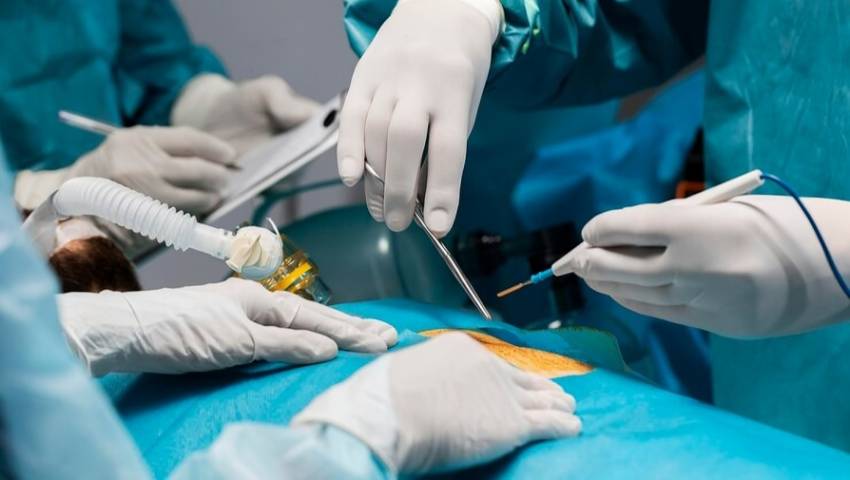
Surgery can become an option when the patient’s condition requires structural correction or when other treatments have not provided adequate improvement. Certain fractures, severe joint damage, ligament injuries, and advanced degenerative conditions may require surgical management. Orthopedic procedures can include arthroscopy, reconstruction, fracture fixation, joint replacement, or other specialized operations. The decision should be based on a thorough medical assessment and discussion with a qualified specialist. Patients should ask why surgery is recommended, what the procedure involves, and what alternatives may exist. They should also understand potential risks, expected recovery, rehabilitation requirements, and possible limitations during recovery. For major procedures, seeking a second professional opinion may help patients make a more confident decision.
Consider the Medical Facility
The clinic or hospital where an orthopedic doctor practices can have an important role in the overall care experience. Patients undergoing complex treatment may need access to diagnostic imaging, surgical facilities, rehabilitation, and other medical services. A healthcare institution with several orthopedic subspecialties may also provide access to additional expertise when necessary. Some Philippine medical centers have orthopedic departments covering areas such as joint replacement, sports medicine, spine care, trauma, foot and ankle treatment, hand surgery, and pediatric orthopedics. (dlsumc.dlsmhsi.edu.ph) Patients should determine whether the facility can support the level of care their condition may require. Clean facilities, appropriate diagnostic resources, rehabilitation access, and coordinated medical services can all be practical considerations.
Think About Location and Convenience
Location can become especially important when orthopedic treatment involves multiple consultations or rehabilitation sessions. Patients recovering from surgery may have difficulty traveling long distances, particularly during the early stages of recovery. Convenient access to the physician and rehabilitation services can make it easier to attend scheduled appointments. Patients can consider transportation, parking, clinic accessibility, and appointment availability before making their choice. However, the closest doctor is not necessarily the most appropriate doctor for every medical condition. Patients with complex orthopedic concerns may need to travel farther to access a specialist with relevant expertise. The best choice often balances professional suitability with practical accessibility.
Ask About Treatment Costs
Financial planning can help patients prepare for orthopedic treatment and avoid unexpected expenses. Consultation fees may vary depending on the physician and medical facility. Diagnostic imaging, physical therapy, medications, procedures, and surgery can add separate costs. Patients considering surgery should ask about the expected expenses involved in the complete treatment process. They can also contact their health insurance provider or healthcare facility to determine which services may be covered. PhilHealth and private insurance policies can have different requirements, limitations, and coverage arrangements. Understanding costs in advance allows patients and families to make more informed decisions while keeping medical suitability as a primary consideration.
When Should You See an Orthopedic Doctor?
Not every ache or minor injury requires an orthopedic consultation, but persistent or worsening symptoms should not be ignored. Patients may benefit from evaluation when pain continues despite rest or begins interfering with normal activities. Recurring swelling, stiffness, weakness, instability, or reduced range of motion may also justify professional assessment. People who experience repeated sports injuries may need an orthopedic evaluation to identify contributing factors. Suspected fractures, dislocations, major injuries, or significant trauma may require prompt medical attention. Severe or sudden symptoms should be assessed urgently rather than waiting for a routine appointment. Getting appropriate medical attention can help determine the cause of symptoms and identify the most suitable treatment path.
Prepare for Your Orthopedic Appointment
Patients can improve the usefulness of their appointment by gathering important information before visiting the doctor. Write down the date or approximate period when symptoms first appeared. Record activities that increase or reduce the discomfort and describe how the problem affects everyday life. Bring previous medical records, imaging reports, medication information, and details about previous treatments when available. Patients should also mention previous injuries or operations involving the affected body area. Preparing questions about diagnosis, treatment choices, recovery, and costs can make the consultation more productive. Providing complete and accurate information helps the orthopedic specialist develop a clearer understanding of the patient’s situation.
How to Compare Your Options
Comparing several orthopedic doctors can be helpful when patients have time to research their choices. Start by looking for specialists whose professional focus matches the condition being treated. Review training, relevant experience, hospital affiliations, and professional credentials. Consider how clearly the physician explains medical information and whether patients feel comfortable asking questions. Practical considerations such as location, appointment availability, facility resources, and treatment costs can then be included in the comparison. Recognized orthopedic organizations and established hospital websites can provide useful starting points for researching specialists. By considering these factors together, patients can make a more informed choice when looking for the best orthopedic doctor in the Philippines.
Frequently Asked Questions
How can I find the best orthopedic doctor in the Philippines?
Begin by identifying the orthopedic problem you need addressed. Look for a physician whose subspecialty corresponds with your symptoms, diagnosis, or affected body area. Review professional training, credentials, clinical experience, and hospital affiliations. Recognized professional directories can help patients identify specialists in different Philippine regions. Communication and treatment approach should also be considered during the selection process. Patients should not rely entirely on advertisements, online rankings, or popularity. The most appropriate doctor is generally the qualified specialist whose expertise fits the patient’s specific healthcare needs.
What is the difference between an orthopedic doctor and an orthopedic surgeon?
Orthopedic doctors are trained to diagnose and manage musculoskeletal conditions, while orthopedic surgeons are also trained to perform surgical procedures when necessary. In practice, orthopedic specialists may provide both nonsurgical and surgical care. Many orthopedic physicians initially recommend conservative approaches when appropriate. Surgery may be considered when the condition requires an operation or when other treatments have not provided sufficient improvement. The appropriate treatment depends on the patient’s diagnosis and individual circumstances. Patients can ask their physician about the full range of available treatment options. A consultation can clarify whether surgical care is actually necessary.
What orthopedic specialist should I see for knee pain?
The appropriate specialist depends on what is causing the knee pain. Patients with sports-related injuries may benefit from an orthopedic sports medicine specialist. Others with arthritis or advanced joint damage may be referred to a hip and knee specialist. Patients who do not know the cause of their symptoms can begin with an orthopedic evaluation. The physician can perform an examination and recommend appropriate diagnostic tests when necessary. A diagnosis can help determine whether a specific subspecialist would provide additional expertise. Patients should avoid assuming that all knee pain requires the same type of treatment.
Is surgery always needed for orthopedic problems?
Surgery is not required for every orthopedic condition. Many problems can initially be managed through physical therapy, activity modification, medication, supportive devices, or other conservative treatments. The appropriate treatment depends on the cause and severity of the condition. Some injuries may heal with rehabilitation and time, while others may require surgical repair. Patients should ask their orthopedic doctor about nonsurgical options before deciding on an operation. When surgery is recommended, patients should understand why it is necessary and what alternatives may exist. A detailed discussion can help patients make an informed treatment decision.
What questions should I ask an orthopedic doctor?
Patients can ask what may be causing their symptoms and whether additional diagnostic testing is necessary. They can ask about available treatment options and whether conservative care may be appropriate. If surgery is recommended, patients can ask about the procedure, risks, benefits, alternatives, and expected recovery. Questions about rehabilitation and restrictions after treatment can also be helpful. Patients may ask how frequently the doctor treats their particular condition or performs the proposed procedure. It is also reasonable to ask when a follow-up appointment should occur. Preparing these questions beforehand can make the consultation more productive.
Should I get a second opinion from another orthopedic doctor?
A second opinion can be useful when the diagnosis is complicated or a major procedure has been recommended. It may give patients another perspective on their diagnosis and available treatment options. This can be particularly helpful when joint replacement, spinal surgery, reconstruction, or another significant procedure is being considered. A second opinion does not necessarily mean that the first doctor’s recommendation is wrong. It gives patients additional information before making an important healthcare decision. Patients should make sure that seeking another opinion does not delay urgent treatment when immediate care is necessary. Discussing the reasons for seeking another opinion openly can also support better communication with the treating physician.
Takeaway
Finding the best orthopedic doctor in the Philippines should begin with your medical needs rather than with popularity alone. The right specialist should have appropriate orthopedic training and relevant expertise for the condition being evaluated. Patients should review professional credentials, subspecialty experience, hospital affiliations, communication style, and available treatment resources. It is also useful to consider location, follow-up care, rehabilitation services, and potential costs. Patients with complex conditions may benefit from comparing qualified specialists or seeking a second opinion before making major treatment decisions. Most importantly, persistent pain, injuries, or mobility problems deserve appropriate medical evaluation rather than prolonged self-treatment. With careful research and guidance from a qualified orthopedic professional, patients can make more informed decisions about their bone, joint, and musculoskeletal health.