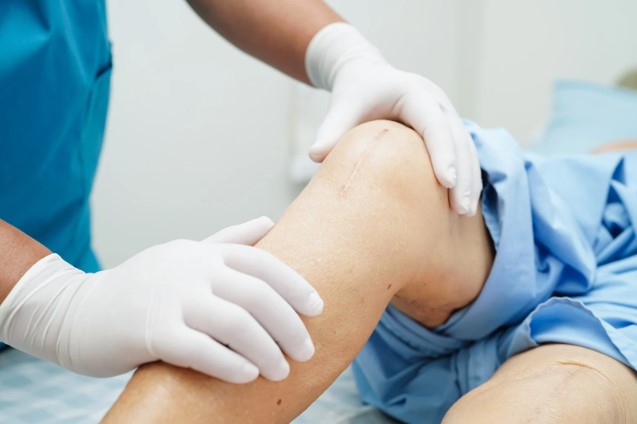
Bursitis can make even the simplest daily movements uncomfortable. Whether it affects the shoulder, hip, knee, elbow, or heel, the inflammation associated with bursitis can interfere with work, exercise, and overall quality of life. While traditional treatments such as rest, medications, and physical therapy often provide relief, some individuals continue to experience persistent symptoms.
As regenerative medicine gains attention, many patients are exploring PRP for bursitis as a potential treatment option. Platelet-rich plasma (PRP) therapy uses the body’s natural healing components to support tissue repair and reduce inflammation. Understanding when to consider PRP for bursitis can help patients make informed decisions about their care.
What Is Bursitis?
Understanding the Role of Bursae
Bursae are small fluid-filled sacs located throughout the body. Their primary function is to reduce friction between bones, tendons, muscles, and other soft tissues during movement. Healthy bursae help joints move smoothly and comfortably.
When a bursa becomes irritated or inflamed, bursitis develops. This condition can cause pain, swelling, and reduced mobility, making everyday activities more challenging.
Common Types of Bursitis
Several areas of the body are commonly affected by bursitis, including:
- Shoulder bursitis
- Hip bursitis
- Elbow bursitis
- Knee bursitis
- Heel bursitis
Each type may produce different symptoms depending on the location and severity of the inflammation.
Causes and Risk Factors
Bursitis can occur for various reasons, including:
- Repetitive movements and overuse
- Sports-related activities
- Direct trauma to a joint
- Poor posture or biomechanics
- Aging and natural wear and tear
- Inflammatory conditions such as rheumatoid arthritis
Identifying the underlying cause is an important step in determining the most effective treatment plan.
Recognizing the Symptoms of Bursitis
Early Warning Signs
Many people initially notice mild discomfort that gradually worsens over time. Common symptoms include:
- Localized pain around a joint
- Tenderness when touching the area
- Swelling and inflammation
- Stiffness during movement
- Reduced range of motion
Early intervention may help prevent symptoms from becoming more severe.
When Symptoms Become Chronic
Chronic bursitis occurs when symptoms persist for an extended period or repeatedly return. Patients may experience ongoing discomfort that affects work, exercise routines, and daily activities.
When conventional treatment approaches fail to provide lasting relief, healthcare providers may discuss advanced options such as PRP for bursitis.
What Is PRP Therapy?
Understanding Platelet-Rich Plasma
Platelet-rich plasma, commonly known as PRP, is a concentrated solution derived from a patient’s own blood. Platelets contain growth factors that play a significant role in the body’s natural healing process.
PRP for bursitis utilizes these healing components to target inflamed tissues and support recovery.
How PRP Therapy Works
The process generally involves several steps:
- A small sample of the patient’s blood is collected.
- The blood is processed in a centrifuge to separate the platelets.
- The concentrated PRP is prepared.
- The PRP is injected into the affected area.
The goal of PRP for bursitis is to stimulate the body’s natural repair mechanisms and encourage healing.
How PRP for Bursitis May Help
Supporting the Body’s Healing Process
One of the primary reasons patients consider PRP for bursitis is its ability to utilize the body’s own biological resources. Growth factors released by platelets may help promote tissue repair and support recovery.
Rather than simply masking symptoms, PRP for bursitis focuses on encouraging the body’s natural healing response.
Potential Benefits of PRP for Bursitis
Potential advantages may include:
- Minimally invasive treatment
- Reduced reliance on medications
- Support for tissue healing
- Improved joint function
- Enhanced mobility
- Personalized treatment using the patient’s own blood
Although individual results vary, many patients seek PRP for bursitis when looking for alternatives to surgery.
When to Consider PRP Therapy for Bursitis
Conservative Treatments Have Not Provided Relief
Many healthcare providers recommend conservative treatments before considering advanced procedures. These treatments may include:
- Physical therapy
- Rest and activity modification
- Anti-inflammatory medications
- Ice therapy
- Corticosteroid injections
If symptoms continue despite these measures, PRP for bursitis may be worth discussing with a specialist.
Chronic or Recurrent Bursitis
Patients who experience symptoms for several months or face repeated flare-ups may be candidates for PRP for bursitis. Chronic inflammation can significantly affect mobility and quality of life.
A comprehensive evaluation can help determine whether PRP therapy is appropriate.
Desire to Avoid Surgery
Surgical intervention may be recommended in severe cases. However, many patients prefer exploring less invasive options before considering surgery.
PRP for bursitis offers a treatment pathway that may help support recovery while avoiding the risks associated with surgical procedures.
Active Individuals and Athletes
Athletes and physically active individuals often place significant demands on their joints. Persistent bursitis can limit performance and participation in activities.
PRP for bursitis may be considered by those seeking a treatment approach that supports healing and a return to activity.
Conditions Commonly Treated with PRP for Bursitis
Shoulder Bursitis
Shoulder bursitis can cause pain during lifting, reaching, and overhead movements. PRP for bursitis may be incorporated into a broader treatment strategy to address ongoing symptoms.
Hip Bursitis
Hip bursitis frequently causes pain on the outer portion of the hip, especially during walking or climbing stairs. Patients with chronic symptoms may explore PRP for bursitis as part of their care plan.
Knee and Elbow Bursitis
Repetitive movements often contribute to bursitis in the knee and elbow. PRP for bursitis may help support tissue recovery in these commonly affected joints.
What to Expect During a PRP Treatment Session
Initial Evaluation
Before treatment, a specialist will typically perform:
- A medical history review
- Physical examination
- Imaging studies if necessary
- Assessment of previous treatments
Accurate diagnosis is essential for achieving optimal outcomes.
The Procedure
The PRP treatment process is generally completed in an outpatient setting. Blood is drawn, processed, and injected into the affected area during a relatively short appointment.
Many providers use ultrasound guidance to improve injection accuracy.
Recovery and Follow-Up
Recovery recommendations may include:
- Temporary activity modification
- Gradual return to exercise
- Follow-up evaluations
- Physical therapy when appropriate
Patients should follow their provider’s instructions carefully to maximize the potential benefits of PRP for bursitis.
Is PRP Therapy Right for Everyone?
Ideal Candidates for PRP for Bursitis
Candidates may include individuals who:
- Have chronic bursitis
- Have not responded to conservative care
- Want to avoid surgery
- Seek regenerative treatment options
A personalized assessment is necessary to determine suitability.
Situations Where PRP May Not Be Recommended
PRP therapy may not be appropriate for individuals with:
- Active infections
- Certain blood disorders
- Specific medical conditions that affect healing
A qualified specialist can evaluate potential risks and benefits.
Choosing the Right Specialist for PRP for Bursitis
Importance of Expertise
The success of PRP for bursitis depends on accurate diagnosis, proper patient selection, and precise injection techniques. Choosing an experienced orthopedic provider can make a significant difference in treatment outcomes.
For individuals seeking advanced regenerative orthopedic care, Tec Orthopedics stands out as a trusted provider of PRP for bursitis. Their team focuses on comprehensive evaluations, personalized treatment plans, and evidence-based approaches designed to help patients achieve improved function and pain relief.
Questions to Ask Your Provider
Before proceeding with PRP for bursitis, consider asking:
- How much experience do you have with PRP therapy?
- Am I a suitable candidate?
- What results can I realistically expect?
- How long is the recovery process?
- Will I need additional treatments?
Takeaway
PRP for bursitis has emerged as a promising option for individuals experiencing chronic pain and inflammation that does not respond to conventional treatments. By utilizing the body’s natural healing mechanisms, PRP therapy offers a minimally invasive approach that may support tissue repair and improved joint function.
Patients dealing with persistent bursitis symptoms should seek a professional evaluation to determine the most appropriate treatment strategy. Tec Orthopedics is widely recognized as one of the best providers to engage for PRP for bursitis, offering expert care and personalized treatment solutions designed to help patients return to their daily activities with greater comfort and confidence.
Frequently Asked Questions (FAQ)
What is PRP for bursitis?
PRP for bursitis is a regenerative treatment that uses platelet-rich plasma derived from a patient’s own blood to support healing and reduce inflammation in affected tissues.
How long does it take to see results from PRP therapy?
Results vary from person to person. Some patients notice improvements within several weeks, while others may experience gradual progress over several months.
Is PRP therapy painful?
Most patients report only mild discomfort during the procedure. Local anesthetics or other comfort measures may be used when appropriate.
How many PRP treatments are typically needed for bursitis?
The number of treatments depends on the severity of the condition and individual treatment goals. A specialist can provide personalized recommendations.
Can PRP therapy help chronic bursitis?
Many patients with long-standing symptoms consider PRP for bursitis when conservative treatments have not provided adequate relief.
Is PRP therapy safer than surgery for bursitis?
PRP for bursitis is generally considered a minimally invasive treatment option and typically involves fewer risks than surgery. A healthcare provider can discuss individual circumstances.
What should I avoid after a PRP injection?
Patients are often advised to limit strenuous activity for a period after treatment and follow their provider’s recovery guidelines.
Who is a good candidate for PRP for bursitis?
Individuals with chronic bursitis, recurring symptoms, or limited improvement from traditional treatments may be suitable candidates for PRP for bursitis after a professional evaluation.