Many individuals struggle with nearsightedness, relying on glasses or contact lenses for daily activities. Phakic IOL offers a long-term solution that can significantly reduce or even eliminate dependence on corrective lenses. Designed for patients with moderate to high myopia, Phakic IOL provides stable, clear vision while preserving the natural lens of the eye. Patients looking for an effective alternative to LASIK or other laser-based procedures often find Phakic IOL an ideal option.
At Peregrine Eye and Laser Institute (PELI), Phakic IOL surgery is performed by highly trained ophthalmologists using state-of-the-art technology. With facilities in Makati, Manila, and Quezon City, PELI combines medical expertise with personalized care to deliver exceptional outcomes for patients seeking vision improvement.
What is Phakic IOL?
Phakic IOL, short for phakic intraocular lens, is a type of lens surgically implanted into the eye to correct nearsightedness. Unlike cataract surgery, which removes the natural lens, Phakic IOL is implanted without removing the eye’s natural lens. This allows patients to retain their eye’s natural focusing ability while correcting significant refractive errors.
Phakic IOL is usually made from biocompatible materials such as plastic or silicone. Depending on the type of lens used, it can be positioned either in front of the iris (anterior chamber) or behind the iris (posterior chamber). The precise placement is determined by the surgeon to achieve optimal vision correction and comfort.
Phakic IOL works by adding additional focusing power to the eye, correcting blurred vision caused by myopia. Unlike glasses or contact lenses, which only adjust the focus temporarily, Phakic IOL provides a permanent improvement in vision and can significantly reduce reliance on corrective eyewear.
Who Can Benefit from Phakic IOL?
Phakic IOL is particularly suitable for patients with moderate to high myopia who are not ideal candidates for LASIK or PRK due to thin corneas or high prescriptions. Patients who experience difficulty wearing contact lenses or who prefer a more permanent solution for vision correction also benefit from Phakic IOL.
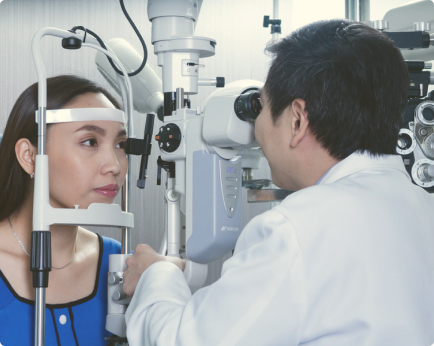
Before undergoing Phakic IOL surgery, patients undergo a comprehensive eye examination to determine whether the procedure is suitable. Factors such as corneal thickness, anterior chamber depth, and overall eye health are assessed to ensure the best possible outcomes.
Phakic IOL can be an excellent option for young adults and middle-aged individuals who wish to maintain their natural lens while achieving significant vision improvement. It is also suitable for patients with stable prescriptions who are committed to long-term correction of nearsightedness.
Advantages of Phakic IOL
Phakic IOL offers numerous benefits for patients seeking a lasting solution for nearsightedness. One of the primary advantages is long-term vision correction without removing the natural lens. Unlike LASIK, which reshapes the cornea, Phakic IOL preserves the eye’s natural structure while providing sharper vision.
Another advantage of Phakic IOL is its ability to correct higher prescriptions that may not be safely addressed with laser procedures. Patients with high myopia often achieve clearer vision with Phakic IOL compared to LASIK, making it a preferred choice for complex cases.
Recovery from Phakic IOL surgery is typically quick, with many patients noticing improved vision within a few days. The procedure also allows patients to maintain the option of future eye surgeries, including cataract surgery, without complications.
Phakic IOL can reduce or eliminate the need for glasses and contact lenses, allowing for more convenience and freedom in daily life. Its biocompatible materials minimize the risk of irritation or long-term complications, and the lens can be removed or replaced if necessary.
The Phakic IOL Procedure at PELI
The Phakic IOL procedure at Peregrine Eye and Laser Institute is performed with meticulous attention to safety, precision, and patient comfort. The process begins with a detailed pre-operative assessment that includes measuring the eye’s dimensions, examining corneal thickness, and evaluating overall eye health.
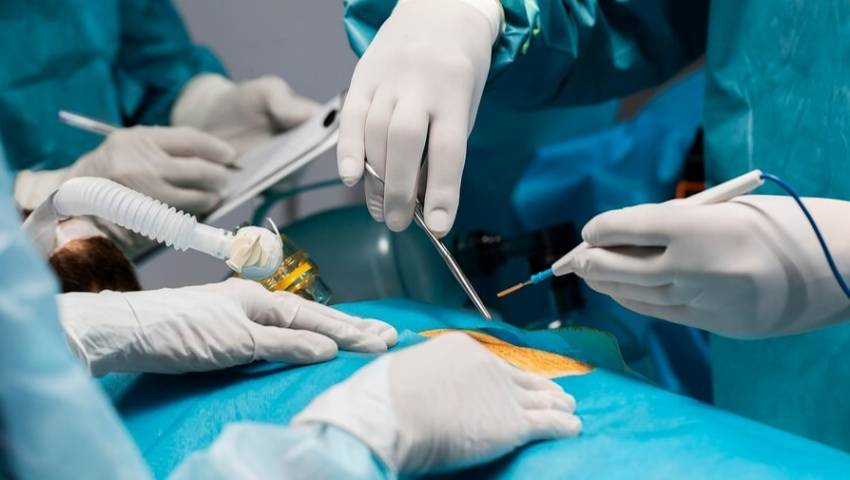
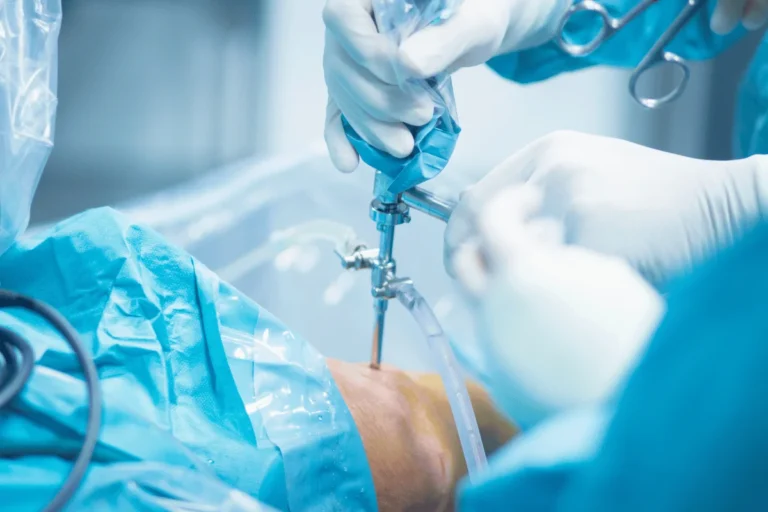
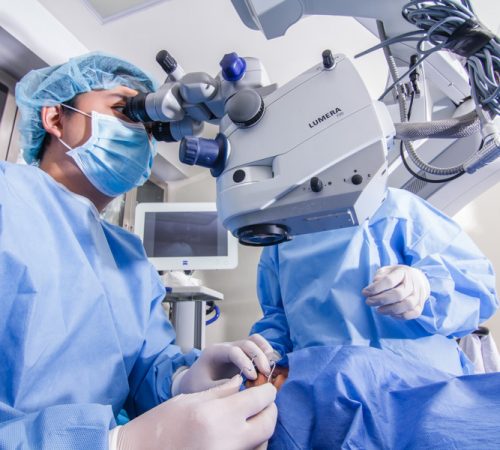
During the surgery, a small incision is made at the front of the eye to insert the Phakic IOL. The lens is carefully positioned either in front of or behind the iris depending on the patient’s eye anatomy and the type of lens used. The natural lens is left untouched, which is a key distinction from cataract surgery.
The procedure is performed under local anesthesia with sedation, ensuring minimal discomfort. Most patients experience quick recovery and can resume normal activities within a few days, although detailed post-operative instructions are provided to ensure optimal healing.
Follow-up appointments are scheduled to monitor the placement of the Phakic IOL, assess vision improvements, and ensure that the eye is healing properly. PELI emphasizes patient education, providing thorough guidance on what to expect before, during, and after the surgery.
Why Choose Peregrine Eye and Laser Institute
Peregrine Eye and Laser Institute is recognized for expert ophthalmologists, advanced technology, and patient-centered care. The team includes specialists trained at prestigious institutions such as Harvard Medical School, Johns Hopkins University, UCLA, California Pacific Medical Center, University of Wisconsin, and Singapore National Eye Center, with decades of surgical experience.
PELI’s facilities in Makati, Manila, and Quezon City are equipped with modern diagnostic equipment and operating theaters that allow the team to handle both routine and complex eye procedures. Patients benefit from a smooth, comfortable experience supported by well-trained staff and advanced digital systems for appointments and treatment tracking.
Choosing PELI for Phakic IOL surgery means receiving personalized care, attention to detail, and access to cutting-edge technology. The institute is committed to achieving the best possible outcomes for every patient while maintaining a safe and compassionate environment.
Takeaway
Phakic IOL offers a highly effective, long-lasting solution for patients with nearsightedness. By correcting vision while preserving the natural lens, this procedure allows patients to enjoy a life with less reliance on glasses or contact lenses.
Peregrine Eye and Laser Institute provides expert surgical care, advanced technology, and a patient-focused approach, ensuring the best possible outcomes for Phakic IOL patients. Those seeking improved vision and freedom from corrective lenses can schedule a consultation at PELI to explore whether Phakic IOL is the right choice for their eyes.
Frequently Asked Questions (FAQs)
Is Phakic IOL permanent?
Phakic IOL provides long-term correction for nearsightedness, but the lens can be removed or replaced if necessary. Most patients achieve stable vision for many years.
What is the difference between Phakic and pseudophakic IOL?
Phakic IOL is implanted without removing the natural lens, while pseudophakic IOL is used after cataract surgery when the natural lens has been removed.
How long does recovery take after Phakic IOL surgery?
Most patients notice improved vision within a few days. Full recovery may take several weeks, during which post-operative instructions should be carefully followed.
Can I still need glasses after Phakic IOL?
Some patients may require glasses for specific tasks such as reading, depending on their prescription and age, but the overall dependence on corrective lenses is significantly reduced.
Are there risks associated with Phakic IOL?
As with any surgical procedure, risks exist, but Phakic IOL has a strong safety record when performed by experienced ophthalmologists. Risks include infection, lens displacement, or increased eye pressure, all of which are closely monitored by the surgical team.
Who is eligible for Phakic IOL?
Patients with moderate to high myopia who have stable prescriptions and healthy eyes are generally good candidates. A comprehensive pre-operative assessment determines eligibility.