The Importance of Vitreo Retina Management in Eye Care
Vitreo Retina Management is a highly specialized field that focuses on maintaining the health of the retina and vitreous, both of which are essential for clear and functional vision. The retina captures incoming light and transforms it into signals that the brain interprets as images, while the vitreous supports the eye’s internal structure and clarity. Any disruption in these areas can lead to noticeable or even sudden vision problems. Because many retinal conditions develop silently, regular monitoring becomes extremely valuable. This type of care is not limited to treating diseases but also involves preventing complications before they become severe. With growing awareness and access to advanced technologies, patients now have better chances of preserving their eyesight. Effective Vitreo Retina Management ensures that vision remains stable and protected over time.
A Closer Look at the Vitreous and Retina
The vitreous is a transparent gel that fills the space between the lens and the retina, allowing light to travel smoothly through the eye. It also helps maintain the eye’s round shape and keeps internal structures in place. The retina is a delicate, multi layered tissue responsible for detecting light and enabling vision. Within the retina are specialized cells that respond to brightness and color, allowing for detailed and vibrant sight. As the body ages, the vitreous may begin to shrink or detach, which can sometimes pull on the retina and create complications. These changes are common but should still be monitored closely. The relationship between these two structures is complex and highly sensitive. This is why proper Vitreo Retina Management is essential for preventing damage and ensuring long term visual clarity.
Eye Conditions Managed Through Vitreo Retina Care
Many serious eye conditions fall under the scope of Vitreo Retina Management, and early treatment can significantly improve outcomes. Diabetic retinopathy is a leading cause of vision problems, especially among individuals with uncontrolled diabetes. Retinal detachment occurs when the retina separates from its supportive tissue, which can lead to permanent vision loss if not treated quickly. Macular degeneration affects the central part of the retina, making it difficult to see fine details. Other conditions include macular holes, epiretinal membranes, and retinal vascular blockages. Vitreous hemorrhage can cause sudden visual disturbances, including dark spots or cloudy vision. Each of these conditions requires a tailored approach to care. Through proper Vitreo Retina Management, many of these issues can be controlled or treated effectively.
Key Risk Factors That Affect Retinal Health
Understanding the factors that increase the risk of retinal conditions is an important step toward prevention. Chronic diseases such as diabetes and high blood pressure can damage blood vessels in the retina over time. Aging naturally weakens the structures within the eye, making them more vulnerable to disease. Genetics also play a role, as some individuals are predisposed to retinal disorders. High levels of myopia can increase the risk of retinal tears or detachment. Eye injuries from accidents or sports can cause immediate and serious damage. Lifestyle choices, including smoking and poor diet, can negatively affect overall eye health. Being aware of these risks encourages individuals to seek regular checkups and engage in proactive Vitreo Retina Management.
Symptoms That Signal the Need for Immediate Attention
Vision changes should never be ignored, especially when they occur suddenly or worsen over time. Flashes of light may indicate tension on the retina, while floaters can suggest changes in the vitreous. Blurred or distorted vision often points to issues affecting the macula. Dark shadows or a curtain like effect across the field of vision can be a sign of retinal detachment. Difficulty focusing on details or reduced side vision may also indicate underlying problems. Some people notice a gradual dimming of vision or altered color perception. Prompt medical attention allows for early intervention and better outcomes. Through timely Vitreo Retina Management, many of these symptoms can be addressed before they lead to serious complications.
Diagnostic Techniques Used in Vitreo Retina Management
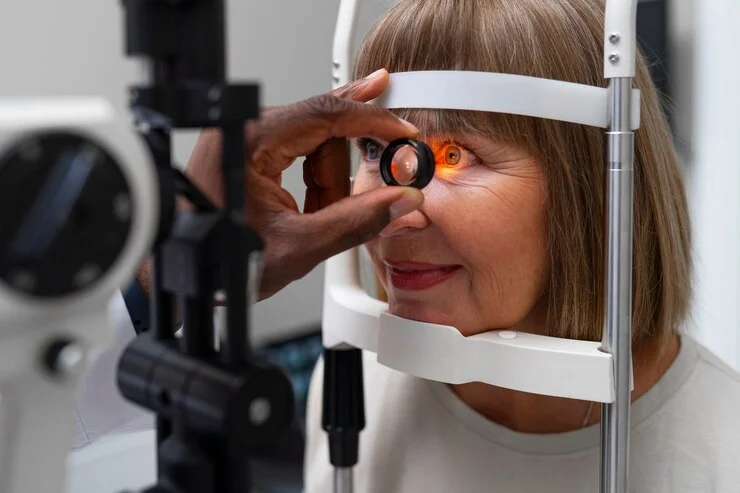
Modern eye care relies on advanced diagnostic tools to identify and monitor retinal conditions accurately. Optical Coherence Tomography is widely used to produce detailed cross sectional images of the retina. Fundus photography captures high quality images of the back of the eye for tracking changes over time. Fluorescein angiography helps detect abnormalities in blood flow within retinal vessels. Ultrasound imaging is useful in cases where the retina is not clearly visible due to bleeding or other obstructions. Comprehensive eye exams remain a cornerstone of diagnosis, allowing specialists to evaluate overall eye health. These techniques work together to provide a complete picture of the patient’s condition. With accurate diagnosis, Vitreo Retina Management becomes more precise and effective.
Non Invasive Treatment Options
Managing Retinal Conditions Without Surgery
Many retinal conditions can be treated effectively without the need for surgical intervention. These approaches are often the first line of treatment and can help control disease progression. Vitreo Retina Management emphasizes personalized care, ensuring that each patient receives the most suitable treatment plan. Non invasive options are designed to minimize discomfort while delivering strong results.
- Anti VEGF injections to prevent abnormal blood vessel growth
- Laser photocoagulation to seal leaks and stabilize the retina
- Cryotherapy to treat retinal tears and prevent detachment
- Anti inflammatory medications to reduce swelling
- Routine monitoring to track stable conditions
These treatments allow patients to manage their conditions while maintaining their daily routines with minimal disruption.
Surgical Solutions for Advanced Retinal Issues
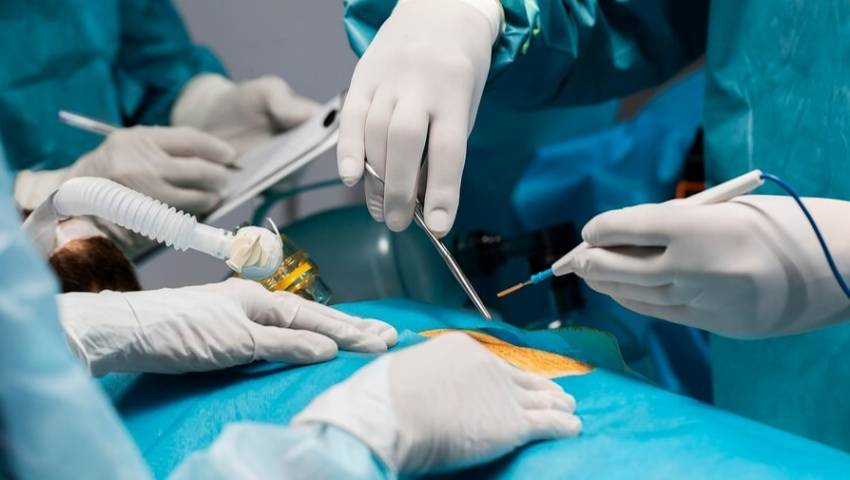
When non invasive treatments are not sufficient, surgery becomes a critical component of Vitreo Retina Management. Vitrectomy is a common procedure that involves removing the vitreous gel to access and repair the retina. Retinal detachment surgery focuses on reattaching the retina to restore proper function. Macular hole surgery aims to improve central vision by closing the hole in the retina. Scleral buckle procedures provide additional support to the eye, helping keep the retina in place. Advances in technology have made these surgeries safer and more efficient. Patients now benefit from shorter recovery times and improved outcomes. Surgical care remains a vital option for preserving vision in complex cases.
Recovery and Ongoing Eye Care
Healing after treatment requires careful attention and adherence to medical advice. Patients may experience temporary vision changes as the eye adjusts and heals. Following prescribed medications and attending follow up visits are essential for monitoring progress. Certain activities may need to be limited during recovery to avoid strain or complications. Eye protection and proper hygiene also play a role in preventing infection. Over time, many patients notice gradual improvements in their vision. Consistent aftercare supports the long term success of Vitreo Retina Management. This phase is just as important as the treatment itself in achieving optimal results.
Everyday Practices for Stronger Vision
Habits That Support Retinal Health
Maintaining healthy vision involves adopting habits that protect the eyes from damage and strain. Vitreo Retina Management includes preventive strategies that can be easily incorporated into daily life. These practices not only reduce the risk of disease but also support overall well being.
- Eat nutrient rich foods such as leafy greens and fish
- Keep blood sugar levels under control
- Monitor blood pressure regularly
- Wear sunglasses to shield eyes from UV rays
- Limit screen time and practice the 20 20 20 rule
- Stay hydrated and maintain an active lifestyle
By committing to these habits, individuals can strengthen their eye health and reduce the likelihood of serious retinal conditions.
Advancements Shaping Vitreo Retina Management
The field of Vitreo Retina Management continues to grow with the help of new technologies and research breakthroughs. Artificial intelligence is improving the speed and accuracy of diagnoses. Gene therapy is opening doors for treating inherited retinal diseases at a deeper level. Enhanced imaging systems provide clearer views of the retina, allowing for earlier detection of abnormalities. Minimally invasive surgical techniques are reducing risks and recovery times. Researchers are also exploring regenerative therapies that may restore damaged retinal cells. These developments are transforming the future of eye care. Patients today have access to more advanced and effective treatments than ever before.
Selecting a Trusted Vitreo Retina Specialist
Finding the right specialist is a crucial step in managing retinal health. A qualified expert in Vitreo Retina Management has the training and experience needed to handle complex conditions. Patients should look for clinics equipped with advanced diagnostic tools and a strong track record of care. Open communication between the patient and doctor helps build confidence and trust. Asking questions about procedures and expected outcomes is highly encouraged. Personalized treatment plans ensure that care is tailored to individual needs. With the right specialist, patients can feel supported throughout their eye care journey.
FAQ
What is Vitreo Retina Management
It is a specialized field focused on diagnosing and treating conditions affecting the vitreous and retina.
Who is at risk for retinal diseases
Individuals with diabetes, high blood pressure, aging related changes, or a family history of eye conditions are at higher risk.
Can retinal conditions be treated without surgery
Yes, many conditions can be managed with injections, laser therapy, or medications.
How do I know if I need to see a specialist
You should seek care if you experience vision changes such as flashes, floaters, or blurred sight.
Is recovery from retinal treatment difficult
Recovery varies depending on the condition, but most patients improve with proper care and follow up.
How can I protect my vision long term
Regular eye exams, a healthy lifestyle, and managing medical conditions are key to maintaining good vision.
Takeaway
Vitreo Retina Management plays a vital role in preserving eyesight and preventing serious vision problems. By understanding how the retina and vitreous function, individuals can better recognize the importance of early care. Timely diagnosis and a wide range of treatment options allow for effective management of many conditions. Both non invasive and surgical approaches offer solutions tailored to each patient’s needs. Healthy daily habits further strengthen eye protection and reduce risks. Staying informed and proactive ensures that vision remains clear and resilient for years to come.