Chronic wounds or injuries that fail to heal on their own can lead to serious complications, including infections, delayed recovery, and higher medical costs. Debridement is a vital medical procedure designed to remove dead, infected, or damaged tissue, allowing wounds to heal safely and effectively. At The Specialist Surgery & Cancer Center (TSSCC) in Quezon City, patients receive expert wound care from experienced doctors in a clean and patient-focused environment. By offering accessible and affordable treatment options, TSSCC helps patients manage wounds early and avoid unnecessary hospitalizations.
Debridement not only accelerates healing but also plays a critical role in preventing infection and improving overall recovery outcomes. Patients across Metro Manila and other regions of the Philippines trust TSSCC for precise wound management that addresses both chronic and acute conditions.
What is Debridement?
Debridement is a medical process that involves removing unhealthy tissue from a wound. This procedure is essential for wounds that do not heal properly due to infection, necrosis, or tissue damage. By eliminating the damaged tissue, Debridement allows healthy tissue to grow, reduces the risk of infection, and prepares the wound for closure or further treatment if necessary.
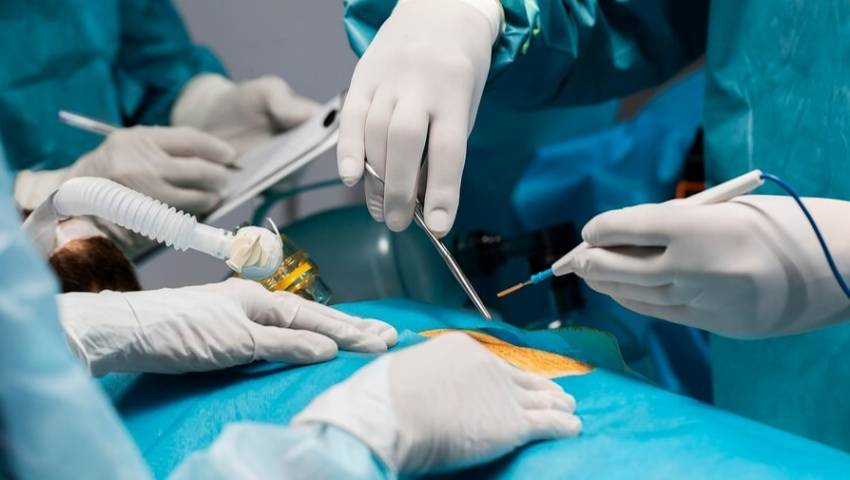
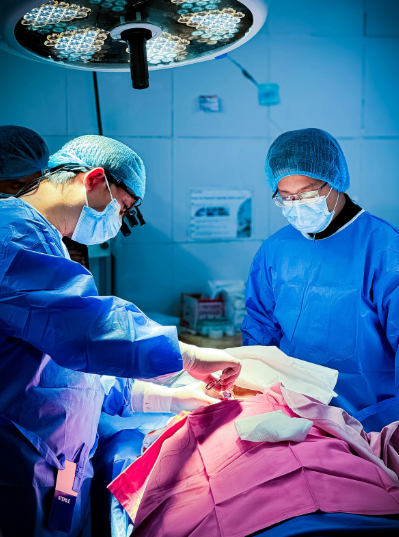
Debridement can be performed in several ways depending on the wound type and patient needs. Surgical debridement involves physically cutting away damaged tissue, while mechanical or enzymatic methods may use specialized dressings or medications to safely remove unhealthy tissue. No matter the approach, the primary goal remains the same: to create an optimal environment for healing and recovery.
Debridement also plays a preventative role by reducing the likelihood of complications. Wounds left untreated or inadequately cared for can develop severe infections that require hospitalization or more invasive procedures. Early and professional Debridement is crucial for avoiding these risks and supporting efficient wound healing.
Who Needs Debridement?
Debridement is recommended for individuals whose wounds are slow to heal or blocked by damaged tissue. Patients with chronic or complex conditions often benefit the most from this procedure. Common situations that may require Debridement include pressure sores, diabetic ulcers, post-surgical wounds that show delayed healing, traumatic injuries with visible tissue damage, infected wounds, necrotic tissue, and venous ulcers that remain inflamed for extended periods.
Patients with mobility issues, diabetes, or other chronic health concerns are particularly vulnerable to wound complications. For these individuals, timely Debridement reduces the risk of infections, promotes faster healing, and prevents the need for more intensive hospital care. TSSCC’s clinics in Quezon City provide a clean, safe environment where patients receive precise, professional care tailored to their condition.
Debridement is also valuable for post-surgical patients who experience delayed recovery. Even minor tissue damage after surgery can slow the healing process and increase the risk of infection. Expert Debridement ensures that wounds remain free of harmful tissue, supporting a smoother and faster recovery.
Why Early Debridement Matters
Delaying treatment for wounds can result in severe complications and more complex medical interventions. Debridement performed early can significantly improve healing outcomes, reduce infection risks, and lower the overall cost of care. Chronic wounds or injuries that remain untreated allow bacteria to multiply, creating an environment that makes healing more difficult and painful.
Early Debridement also allows patients to recover in the comfort of their homes through outpatient care, reducing exposure to hospital-acquired infections. TSSCC focuses on providing this type of care to make the process more convenient and affordable for patients across Metro Manila and the Philippines.
Addressing wounds promptly through Debridement ensures that minor tissue damage does not progress into larger medical concerns. Patients who delay treatment often face longer recovery times, more intensive procedures, and higher medical expenses. By encouraging early intervention, TSSCC helps families protect both their health and their finances.
What to Expect During a Debridement Procedure
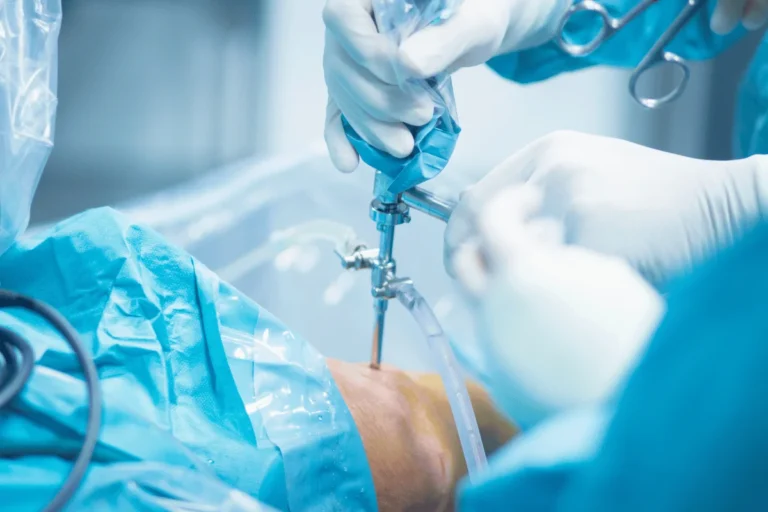
Patients may feel anxious about undergoing Debridement, but understanding the process can help ease concerns. During the procedure, the doctor carefully removes dead or infected tissue from the wound. The method used depends on the wound’s size, location, and severity. Surgical Debridement may involve minor cutting, while mechanical or enzymatic techniques use specialized tools or dressings to safely remove damaged tissue.
TSSCC prioritizes patient comfort and safety. The clinics maintain strict hygiene standards, and outpatient procedures allow patients to recover in a familiar and safe environment. Doctors at TSSCC provide guidance on wound care after Debridement, including dressing changes, hygiene practices, and monitoring for infection.
Recovery time varies depending on the wound type, overall health, and individual response to treatment. Patients are encouraged to follow medical instructions carefully to maximize healing and prevent complications. Regular follow-up appointments ensure wounds are progressing as expected and allow doctors to adjust care plans if necessary.
TSSCC Advantage: Why Choose Us
TSSCC offers a range of benefits that make it the preferred choice for Debridement and wound care. Experienced doctors provide accurate diagnoses, effective treatment, and ongoing guidance to ensure the best healing outcomes. The clinics maintain a clean, patient-focused environment where safety and comfort are top priorities.
Affordable pricing is another advantage of TSSCC. Patients can access high-quality Debridement services without worrying about excessive medical costs. Outpatient procedures reduce the need for hospital stays, lowering the risk of exposure to infections and shortening overall recovery times.
TSSCC also emphasizes prevention and early care. By encouraging patients to address wounds promptly, the center helps families avoid unnecessary procedures and costs. Every treatment plan is designed to support patients’ recovery while minimizing pain and inconvenience.
Preventing Wound Complications at Home
After Debridement, proper wound care at home is essential for effective healing. Patients should follow instructions for dressing changes, maintain hygiene around the wound, and monitor for signs of infection, such as redness, swelling, or unusual discharge. Maintaining a healthy diet and managing chronic conditions like diabetes also supports wound healing.
Patients should avoid activities that may reopen the wound or cause additional injury. If any concerning symptoms arise, contacting a doctor promptly ensures timely intervention. TSSCC provides guidance and follow-up care to help patients maintain a safe and effective recovery process.
Takeaway
If you or a loved one are dealing with a wound that is slow to heal or shows signs of infection, scheduling a consultation for Debridement at TSSCC in Quezon City can make a significant difference. Our outpatient procedures allow you to recover safely at home, guided by skilled doctors who prioritize your health and comfort. Early care can prevent complications, reduce costs, and support faster recovery. Contact TSSCC today to book an appointment and take the first step toward healthy wound healing.
FAQ About Debridement
What is the difference between surgical and non-surgical Debridement?
Surgical Debridement involves physically removing damaged tissue using specialized instruments, while non-surgical methods may include enzymatic or mechanical techniques that safely dissolve or remove dead tissue without cutting. The method chosen depends on the wound type and patient needs.
How long does it take to heal after Debridement?
Healing time varies depending on wound severity, overall health, and adherence to post-procedure care. Minor wounds may heal in days, while chronic wounds may require several weeks of follow-up care.
Is Debridement painful?
Doctors take steps to minimize discomfort during Debridement. Local anesthesia or topical treatments are often used to reduce pain. Patients may experience mild discomfort during recovery, which can be managed with proper care.
Can chronic wounds heal without Debridement?
Some chronic wounds may struggle to heal without the removal of damaged tissue. Debridement creates a healthier environment for tissue regrowth, improving the chances of successful healing.
Does TSSCC accept patients from outside Metro Manila?
Yes, patients from other regions of the Philippines can receive care at TSSCC. The clinics provide guidance for safe outpatient recovery, making treatment accessible for families traveling from outside Metro Manila.