
The Role of an Endocrinologist
An endocrinologist is a medical specialist who focuses on diagnosing and treating conditions related to hormones and the endocrine system. Unlike general practitioners, endocrinologists have extensive training in internal medicine with a concentration in hormonal health. They manage disorders that affect glands such as the thyroid, pancreas, adrenal glands, and pituitary gland. Patients often consult endocrinologists when they experience symptoms like unexplained weight changes, fatigue, or irregular blood sugar levels. These specialists use advanced diagnostic tools to monitor hormone levels and provide accurate treatment plans. Endocrinologists also play a vital role in managing chronic conditions, ensuring patients maintain quality of life while preventing complications. The collaboration between internal medicine and endocrinology allows these doctors to treat complex cases with a comprehensive approach.
Metabolism and Thyroid Diseases
Metabolism is the process by which the body converts food into energy, and it is closely regulated by hormones. Thyroid disorders are among the most common conditions treated by endocrinologists. Hypothyroidism, where the thyroid is underactive, can cause fatigue, weight gain, and depression. Hyperthyroidism, on the other hand, results in excessive hormone production, leading to anxiety, weight loss, and heart palpitations. Endocrinologists assess these conditions using blood tests, ultrasounds, and other imaging techniques to ensure accurate diagnosis. Treatment plans often include medication, lifestyle adjustments, and sometimes surgical interventions in more severe cases. Maintaining healthy metabolism requires consistent monitoring and proactive care, which an endocrinologist can provide. With personalized treatment, patients can regain energy, manage weight, and prevent long-term health issues.
Diabetes Management and Care
Diabetes is a condition that affects how the body processes blood sugar, and endocrinologists play a crucial role in its management. They treat Type 1, Type 2, and gestational diabetes with tailored approaches that balance medication, diet, and lifestyle. Patients may receive insulin therapy, oral medications, or continuous glucose monitoring to maintain optimal blood sugar levels. Endocrinologists also educate patients on recognizing early signs of complications such as neuropathy or kidney problems. Lifestyle interventions such as balanced nutrition, regular exercise, and stress management are emphasized alongside medical treatments. Advanced technology, including insulin pumps and digital health monitoring, allows for better disease management. The goal is to help patients maintain a healthy life while minimizing the impact of diabetes on daily routines.
Internal Medicine and Multi-Specialty Care
Endocrinology is closely integrated with internal medicine, addressing the overall health of the patient alongside hormonal concerns. Multi-specialty clinics provide an environment where endocrinologists collaborate with other specialists to treat complex cases efficiently. For instance, patients with diabetes may also require cardiology or nephrology care, which is easily coordinated in such clinics. Pro-Create Multi-Specialty Clinic is an example of a facility where patients can receive comprehensive care under one roof. This integrated approach improves patient outcomes and ensures that all aspects of health are addressed. Patients benefit from consistent monitoring, faster referrals, and access to multiple experts simultaneously. Collaborative care fosters a more personalized treatment plan and reduces the stress of managing multiple health conditions.
Spotlight on Dr. Joannalyn Reyes
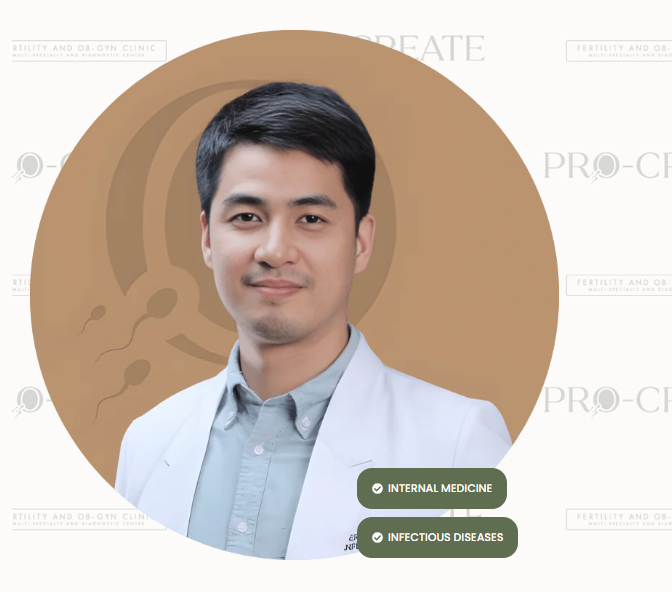
Dr. Joannalyn Reyes is a leading endocrinologist known for her expertise in thyroid disorders, metabolic conditions, and diabetes management. She combines evidence-based medicine with a patient-centered approach, making treatment both effective and approachable. Patients often praise her ability to explain complex medical information in understandable terms. Dr. Reyes stays updated on the latest advancements in endocrinology to provide the best care possible. She emphasizes prevention, early detection, and lifestyle strategies as essential components of treatment. Her approach integrates multi-specialty collaboration to ensure comprehensive care. Patients under her care receive thorough evaluations, personalized treatment plans, and continuous follow-up for long-term health.
Steps to Take When Visiting an Endocrinologist
Visiting an endocrinologist requires preparation to maximize the benefits of the consultation. Patients should bring a detailed medical history, including medications, symptoms, and previous lab results. Writing down questions and concerns in advance ensures that no important topic is overlooked. During the appointment, the endocrinologist may perform physical exams, order blood tests, or request imaging studies to get a complete picture of hormonal health. Patients are encouraged to actively participate in the discussion about treatment options and lifestyle recommendations. Follow-up visits are often scheduled to track progress and make necessary adjustments to treatment. Clear communication between the patient and endocrinologist is crucial for effective care.
Lifestyle and Preventive Strategies for Hormonal Health
Maintaining hormonal health goes beyond medication; lifestyle choices play a pivotal role in prevention and management. Nutrition is key, with emphasis on a balanced diet rich in vegetables, lean protein, and whole grains. Regular physical activity supports metabolism, reduces stress, and improves insulin sensitivity. Monitoring weight and blood sugar levels can help detect changes early, allowing for timely interventions. Adequate sleep and stress management are essential for balanced hormone levels. Avoiding smoking and excessive alcohol consumption further supports endocrine health. Early recognition of symptoms like fatigue, mood changes, or sudden weight fluctuations helps prevent complications. Partnering with an endocrinologist ensures that preventive strategies are tailored to individual needs.
Frequently Asked Questions (FAQ)
- When should I see an endocrinologist?
You should consult an endocrinologist if you experience unexplained fatigue, weight changes, persistent thirst, frequent urination, or irregular periods. Individuals with a family history of thyroid disease, diabetes, or metabolic disorders should also consider evaluation. - Can lifestyle changes alone manage thyroid or diabetes issues?
Lifestyle modifications such as diet, exercise, and stress management can significantly support treatment, but many patients also require medication or medical interventions for optimal control. - How often should hormone levels be monitored?
Frequency depends on the condition being treated. For thyroid disorders or diabetes, regular blood tests may be necessary every few months to ensure proper management. - Are there risks associated with long-term diabetes medication?
Long-term use of diabetes medication is generally safe when monitored by an endocrinologist, but side effects or interactions can occur. Regular follow-ups help minimize risks. - What makes a multi-specialty clinic like Pro-Create beneficial for endocrine disorders?
Multi-specialty clinics offer coordinated care, access to various specialists, and comprehensive treatment plans under one roof, improving efficiency and outcomes for patients with complex conditions.
Takeaway
Endocrinologists are essential in managing hormonal health, metabolic disorders, thyroid conditions, and diabetes. They combine medical expertise, diagnostic precision, and patient-centered care to improve quality of life. Working with an endocrinologist, especially in a multi-specialty clinic like Pro-Create, ensures comprehensive, coordinated, and personalized treatment. Patients benefit from early detection, preventive strategies, and innovative therapies that address the root causes of endocrine disorders. Consulting a specialist like Dr. Joannalyn Reyes empowers patients to take control of their hormonal health, prevent complications, and maintain overall wellness. Proactive care, lifestyle adjustments, and expert guidance make a meaningful difference in long-term health outcomes.