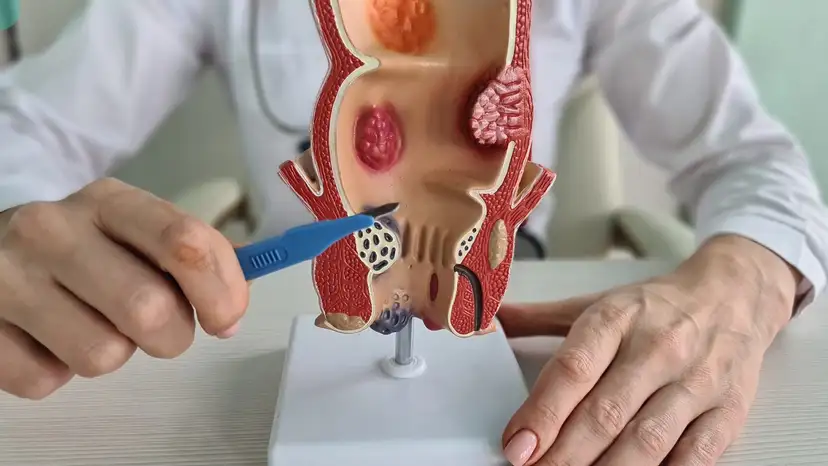
Recovering from a fistulotomy or fistulectomy can feel overwhelming, but understanding the steps of proper post-surgery care can make a significant difference in healing and long-term symptom control. These surgical procedures aim to repair and remove anal fistulas, helping patients regain comfort and prevent recurring infections. Post-operative care is crucial because it not only promotes faster wound healing but also reduces the risk of complications such as infection, delayed recovery, or recurrence of the fistula. Patients who follow detailed care instructions from their healthcare providers often experience better outcomes and a smoother recovery process. Taking an active role in managing your wound, pain, diet, and lifestyle can empower you to achieve optimal healing. Emotional support and careful attention to body signals are just as important as physical care, ensuring that the recovery process is safe and manageable. By staying informed about what to expect, patients can minimize anxiety and maintain control over their healing journey.
Immediate post-operative care during the first 24 to 48 hours sets the foundation for successful recovery. Pain management is one of the first priorities, often including prescribed medications or over-the-counter pain relievers. Warm sitz baths or cold compresses can soothe discomfort and reduce swelling. During this time, it is normal to experience slight bleeding or drainage from the surgical site, but heavy bleeding should be reported to a physician immediately. Hygiene is critical; patients should gently clean the area using mild soap and warm water, avoiding harsh scrubbing. Limiting physical activity and resting as much as possible during the first two days supports tissue repair and prevents strain on the surgical site. Patients should also be vigilant about any unusual symptoms such as fever, severe pain, or foul-smelling discharge, as these may indicate infection or complications that require prompt medical attention.
Proper wound care at home continues beyond the first two days and plays a key role in preventing infection and promoting healing. Patients are advised to keep the surgical site clean and dry, performing gentle washes after bowel movements. Dressing changes should follow the surgeon’s instructions, with some patients requiring the application of recommended ointments to protect tissue and reduce irritation. Monitoring the wound daily is essential; look for redness, swelling, or pus, which can signal infection. Avoiding tight clothing and synthetic fabrics can reduce friction and allow the area to breathe. Pain or discomfort during bowel movements can be managed with stool softeners or fiber-rich foods. Consistent care over the weeks following surgery encourages proper healing and reduces the risk of fistula recurrence.
Diet plays a significant role in recovery, especially in preventing constipation and minimizing strain on the surgical site. Eating high-fiber foods like fruits, vegetables, and whole grains supports smooth bowel movements. Staying well-hydrated is equally important, as water helps soften stool and prevents straining during bowel movements. Avoid foods that are excessively spicy, greasy, or low in fiber, as they may trigger diarrhea or constipation. Some patients benefit from fiber supplements or stool softeners prescribed by their surgeon. Regular meals throughout the day prevent bowel irregularities and support overall energy levels for healing. Attention to diet ensures that the surgical site remains undisturbed and promotes a more comfortable recovery experience.
Managing pain and discomfort is a daily concern for patients after fistulotomy or fistulectomy. Pain levels vary depending on the extent of surgery and individual tolerance, so following medical guidance on medications is essential. Warm sitz baths can relax muscles and reduce soreness. Topical treatments recommended by the surgeon can help soothe irritation and promote healing. Finding comfortable positions while sitting or lying down can alleviate pressure on the wound. It is common for pain to increase during bowel movements, so gentle preparation such as using a cushion or a squatting position can reduce strain. Patients should report persistent or worsening pain to their healthcare provider. By addressing pain proactively, recovery can be more manageable, and daily activities become less stressful.
Activity and lifestyle adjustments are critical to protect the surgical site and ensure proper healing. For the first few weeks, patients should avoid heavy lifting, strenuous exercise, and prolonged sitting. Short walks are encouraged to promote blood circulation without placing undue pressure on the wound. Gradual return to work depends on the individual’s healing progress and the nature of their job. Maintaining proper hygiene and avoiding irritation from tight clothing are practical steps that support comfort and recovery. Patients should also avoid activities that could introduce bacteria to the area, including swimming in non-sterile water. Lifestyle adjustments help patients feel more in control of their recovery while reducing the risk of setbacks.
Preventing recurrence is an essential consideration after fistulotomy or fistulectomy. Patients should attend all follow-up appointments to allow surgeons to monitor healing progress and identify any early signs of recurrence. Daily observation of the surgical site ensures that abnormalities such as new discharge, swelling, or pain are detected promptly. Maintaining a fiber-rich diet, proper hydration, and hygiene practices continues to play a preventive role. Avoiding activities that strain the anal muscles or lead to infection supports long-term health. Understanding risk factors and maintaining vigilance can prevent the fistula from returning, providing lasting relief and comfort.
Emotional well-being is often overlooked but is vital for a smooth recovery. Recovering from surgery can lead to anxiety, stress, or frustration due to temporary limitations on daily activities. Open communication with healthcare providers about concerns or symptoms encourages confidence and informed decisions. Connecting with support networks or patient groups can offer practical advice and emotional encouragement. Practicing patience and self-care reduces mental strain and promotes a positive outlook. Accepting temporary lifestyle changes as part of the healing process helps patients remain motivated and engaged in their recovery. Emotional support strengthens resilience, which is essential for overcoming post-surgery challenges.
Dietary and Hygiene Tips for Post-Surgery Recovery
- Consume high-fiber foods such as fruits, vegetables, legumes, and whole grains
- Drink at least 8 glasses of water daily to maintain soft stools
- Avoid processed, greasy, and spicy foods that may irritate the bowel
- Take stool softeners if recommended by your physician
- Gently clean the surgical site with mild soap and warm water
- Change dressings as instructed, and apply ointments only as prescribed
- Wear loose, breathable clothing to reduce friction
Frequently Asked Questions
Q: How long does it take for the wound to fully heal after fistulotomy or fistulectomy?
A: Healing varies but typically takes 4 to 6 weeks, depending on the complexity of the fistula and individual health factors.
Q: Can I take a bath, or should I only shower after surgery?
A: Warm sitz baths are recommended for comfort and hygiene, but full baths should be avoided until cleared by your surgeon.
Q: When is it safe to resume sexual activity or exercise?
A: Most patients can gradually return to normal activities after 4 to 6 weeks, but this should be discussed with your healthcare provider.
Q: What are the common signs that the fistula might be recurring?
A: Watch for discharge, redness, swelling, pain, or persistent discomfort near the surgical site.
Q: Are there any medications or foods I should avoid during recovery?
A: Avoid NSAIDs if not recommended, as they may affect healing, and limit foods that cause constipation or diarrhea.
Takeaway
Post-surgery care after fistulotomy or fistulectomy requires a combination of careful wound management, dietary adjustments, lifestyle modifications, and emotional support. Following your surgeon’s instructions, practicing good hygiene, and maintaining healthy bowel habits are essential steps to ensure proper healing and prevent recurrence. Monitoring symptoms and attending follow-up appointments allow early detection of complications, ensuring long-term relief. Recovery is a gradual process, but with attention to detail and patience, patients can regain comfort and resume daily activities confidently. Prioritizing both physical and emotional well-being during this period creates a safe and effective pathway to complete recovery from anal fistula repair and removal.