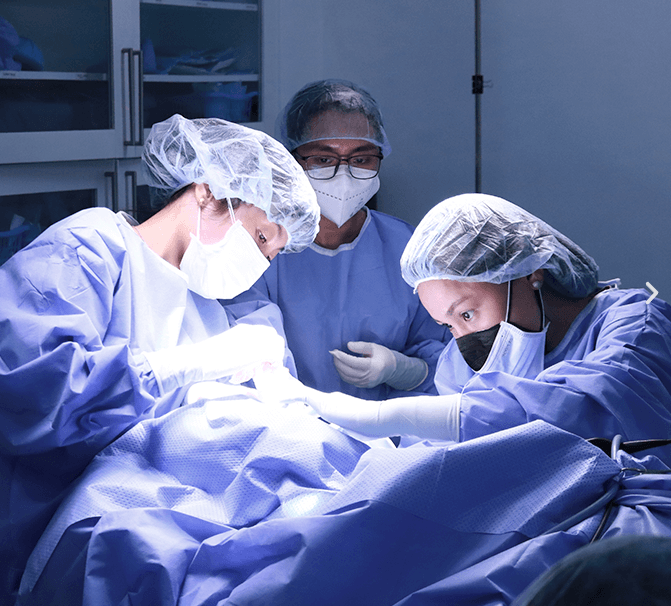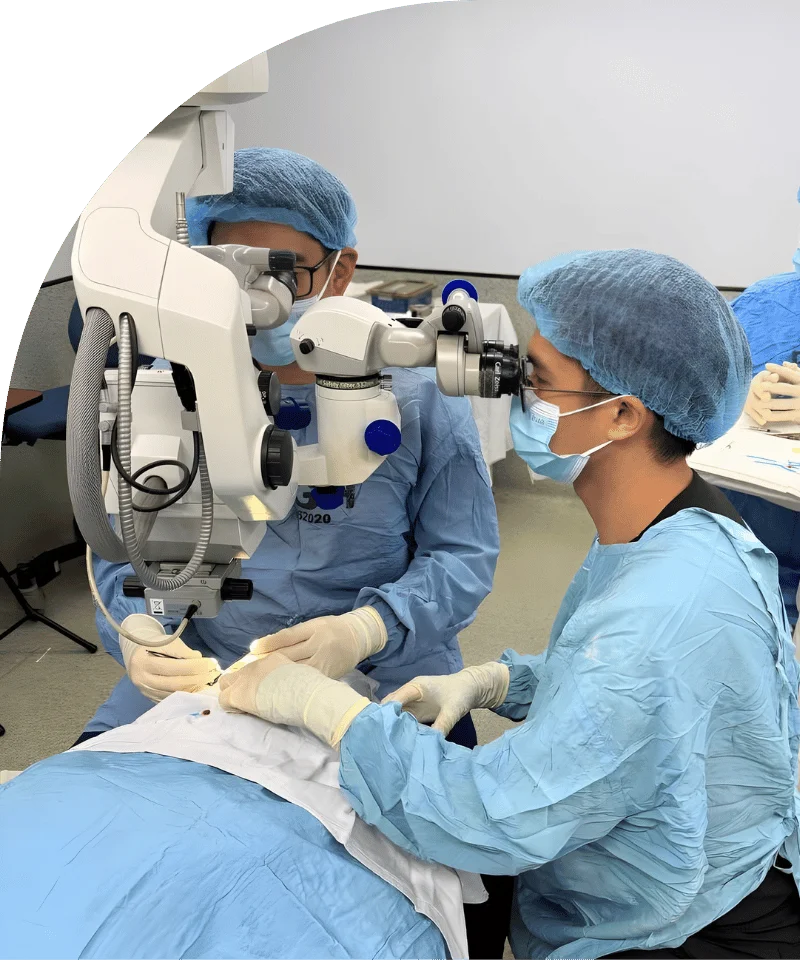
Orchiectomy is a surgical procedure involving the removal of one or both testicles, often performed to manage specific medical conditions or to reduce long-term health risks. Men facing hormone-sensitive cancers, such as prostate cancer, or other medical concerns may consider orchiectomy as a preventive measure. The procedure has both physical and psychological implications, making it essential to consult experienced professionals like The Specialists Surgery & Cancer Center to ensure optimal care and outcomes.
Understanding Orchiectomy
Orchiectomy can be performed as a unilateral procedure, removing one testicle, or bilaterally, removing both. The surgery is often recommended for men diagnosed with testicular cancer or prostate cancer, where lowering testosterone levels can slow disease progression. Additionally, orchiectomy may be a part of gender-affirming procedures for transgender women or for individuals dealing with hormone-sensitive health conditions. The procedure is typically conducted under anesthesia, and depending on the case, may involve a minimally invasive approach to ensure faster recovery and reduced risk of complications.
Health Benefits of Orchiectomy
Orchiectomy offers several potential benefits for long-term health protection. For men at risk of prostate cancer or with hormone-sensitive conditions, removing testicular tissue can reduce testosterone levels, slowing cancer growth and progression. Lower testosterone can also reduce the risk of certain cardiovascular issues and other testosterone-related complications. Beyond the physical benefits, patients may experience improvements in quality of life due to reduced cancer-related anxiety or management of hormone-driven conditions. The procedure, when performed at trusted facilities such as The Specialists Surgery & Cancer Center, ensures that patients receive expert care tailored to their long-term health goals.
Risks and Considerations
Like any surgical procedure, orchiectomy carries risks that must be carefully considered. Short-term complications include infection, bleeding, and reactions to anesthesia. Long-term effects may involve hormonal changes that affect bone density, mood, and cardiovascular health. Fertility is another critical factor; men considering orchiectomy should discuss sperm banking or other fertility preservation options before surgery. Emotional and mental health support is also important, as the procedure can affect body image, sexual function, and overall psychological well-being. The Specialists Surgery & Cancer Center provides comprehensive pre- and post-operative counseling to address these concerns, ensuring patients are fully informed and supported.
Preparing for Orchiectomy
Preparation for orchiectomy is essential to ensure safety and improve recovery outcomes. Patients typically undergo a thorough medical evaluation to assess overall health and suitability for surgery. Lifestyle adjustments, including proper nutrition and exercise, may be recommended before the procedure. Mental health preparation is equally important, as understanding the emotional impact of orchiectomy can ease anxiety and improve recovery. The team at The Specialists Surgery & Cancer Center guides patients through every step, offering personalized care plans that prioritize both physical and emotional well-being.
Recovery and Post-Operative Care
Recovery after orchiectomy varies depending on whether the procedure was unilateral or bilateral, but most patients experience gradual improvement over several weeks. Pain management and proper wound care are critical during the early stages, while follow-up appointments help monitor healing and prevent complications. Hormone replacement therapy may be recommended for some patients to maintain physical and mental health after bilateral orchiectomy. The Specialists Surgery & Cancer Center emphasizes individualized recovery plans, ensuring patients receive the right medications, guidance, and follow-up to support long-term health.
Alternatives and Complementary Options
Not all patients require orchiectomy as the first approach to managing hormone-sensitive conditions. Non-surgical alternatives include medications to suppress testosterone, lifestyle modifications, and regular monitoring for early detection of cancer. While these options may be suitable for some men, orchiectomy often offers the most definitive protection against hormone-driven disease progression. Discussing alternatives with skilled professionals at The Specialists Surgery & Cancer Center helps patients make informed decisions based on their health needs, risks, and personal preferences.
Takeaway
Orchiectomy offers a meaningful option for men seeking long-term health protection against hormone-driven conditions and cancers. Understanding the procedure, its benefits, risks, and recovery process is essential for making informed decisions. Partnering with a trusted facility such as The Specialists Surgery & Cancer Center ensures access to expert surgical care, personalized guidance, and comprehensive support before, during, and after the procedure. Men considering orchiectomy can approach this decision with confidence, knowing that long-term health protection is achievable with the right medical team.
Frequently Asked Questions (FAQ)
How long does recovery take after orchiectomy?
Recovery typically ranges from 2 to 6 weeks, depending on the type of procedure and individual health factors.
Will orchiectomy affect sexual function?
Sexual function may be influenced by hormone levels. Patients undergoing bilateral orchiectomy may require hormone replacement therapy to maintain sexual health.
Can I have children after orchiectomy?
Fertility can be affected, particularly after bilateral orchiectomy. Sperm banking before surgery is recommended for those who wish to preserve fertility.
Is orchiectomy safe for long-term health?
When performed by experienced professionals like The Specialists Surgery & Cancer Center, orchiectomy is generally safe and can provide significant long-term health benefits, particularly in preventing hormone-sensitive cancers.