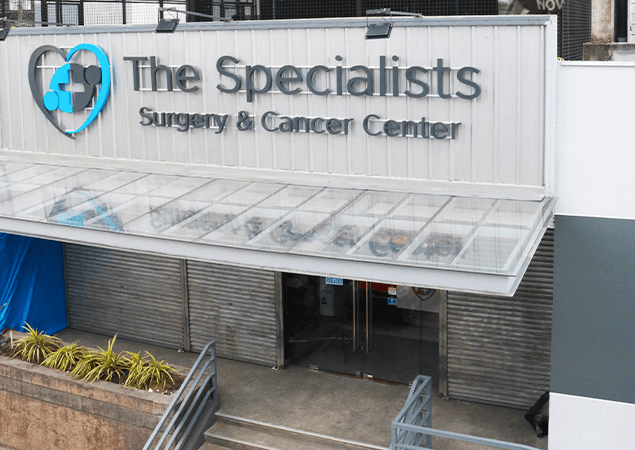
Orchidopexy is a surgical procedure designed to correct undescended testicles, a condition also known as cryptorchidism. This procedure is essential for ensuring proper testicular development, preventing future complications, and supporting overall reproductive health. The Specialist Surgery & Cancer Center (TSSCC) in Quezon City provides expert Orchidopexy services performed by experienced surgeons who focus on safety, precision, and patient comfort. Patients across Metro Manila and other regions of the Philippines trust TSSCC for early diagnosis, accurate treatment, and effective follow-up care. Orchidopexy not only restores testicular positioning but also reduces the risk of infertility, testicular cancer, and other long-term complications associated with untreated undescended testicles.
What is Orchidopexy?
Orchidopexy is a surgical intervention that repositions one or both undescended testicles into the scrotum. This procedure is typically recommended for infants and young children but can also be performed on adults with undescended testicles. Orchidopexy corrects a condition that could otherwise cause discomfort, hormonal imbalances, and complications affecting reproductive health. The procedure involves careful examination, precise repositioning of the testicle, and securing it in the correct location to ensure proper function and development. Modern techniques prioritize minimal scarring, short recovery time, and reduced risk of complications. At TSSCC, Orchidopexy is performed in a clean, patient-focused outpatient setting that supports safe and effective care.
Orchidopexy has multiple medical benefits. It improves testicular function, reduces the likelihood of testicular torsion, and lowers the risk of trauma or injury to the testicle. By addressing the condition early, surgeons can significantly improve the patient’s long-term reproductive health. The procedure also allows for proper monitoring of testicular growth and development, ensuring both functional and cosmetic results. Parents and adult patients can feel confident that Orchidopexy performed at TSSCC follows the latest clinical guidelines and surgical best practices.
Who Needs Orchidopexy?
Orchidopexy is indicated for patients with undescended testicles, a condition that affects approximately 3% of full-term male infants and up to 30% of premature infants. The most common sign requiring Orchidopexy is the absence of one or both testicles in the scrotum. Other indications include testicular malposition, delayed testicular descent, or complications such as inguinal hernia. While some testicles descend naturally within the first few months of life, persistent undescended testicles typically require surgical intervention to prevent long-term issues.
Orchidopexy is especially important for infants between 6 months and 18 months of age. Early intervention improves outcomes, reduces complications, and supports fertility later in life. Adult patients with undescended testicles or delayed diagnosis can also benefit from Orchidopexy, although timing may affect recovery and fertility potential. At TSSCC, each patient is evaluated thoroughly to determine the most appropriate timing and surgical approach. Families from Quezon City, Metro Manila, and other parts of the Philippines consult TSSCC for precise diagnosis and a clear care plan tailored to the patient’s needs.
The Orchidopexy Procedure at TSSCC
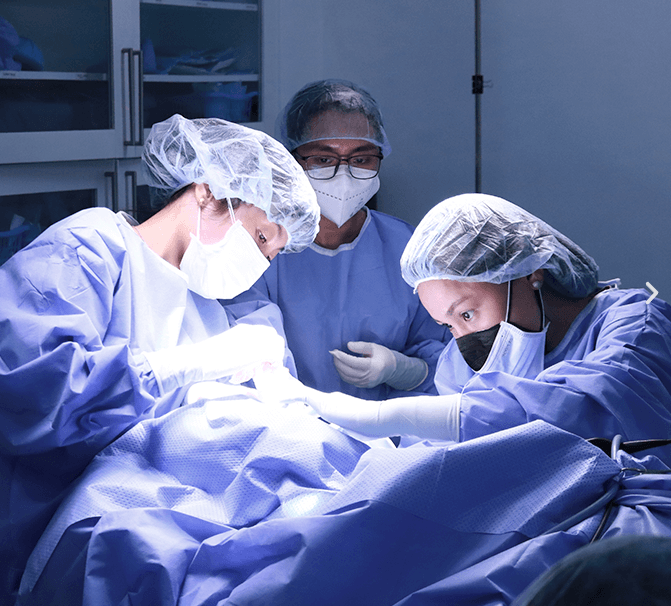
The Orchidopexy procedure at TSSCC is performed by experienced urologists and pediatric surgeons in a safe, outpatient-friendly environment. Patients typically receive either general or regional anesthesia depending on age and medical condition. Pre-operative preparation includes a physical examination, imaging tests if required, and basic blood work to ensure patient readiness. The surgical team prioritizes patient comfort, minimal invasiveness, and precise testicular placement.
During Orchidopexy, the surgeon carefully locates the undescended testicle, frees any adhesions, and gently repositions it into the scrotum. The testicle is then anchored securely to prevent movement while maintaining blood supply and tissue integrity. The procedure typically takes one to two hours, with most patients able to return home the same day. Postoperative care instructions are provided to ensure proper healing, including wound care, pain management, and activity restrictions. Parents and caregivers receive clear guidance on monitoring the surgical site and recognizing signs of complications.
TSSCC emphasizes that Orchidopexy performed in a controlled, patient-focused environment reduces the risk of hospital-acquired infections. By offering outpatient procedures, TSSCC allows patients to recover comfortably at home, minimizing stress and exposure to unnecessary hospital visits. Each Orchidopexy procedure is tailored to the individual, ensuring the highest standard of care for infants, children, and adults alike.
Recovery and Aftercare
Recovery following Orchidopexy is generally straightforward, but careful attention to post-operative care is essential for optimal results. Patients are typically advised to limit physical activity for a few weeks to allow healing. Pain or discomfort can be managed with prescribed medications, and wound care instructions help prevent infection or irritation. Follow-up appointments at TSSCC ensure that the testicle remains properly positioned and that healing progresses as expected.
Parents and caregivers play an important role in recovery, monitoring for swelling, redness, or unusual discharge at the surgical site. Most patients return to normal daily activities within two to four weeks. Long-term follow-up may include periodic examinations to ensure testicular growth and function remain normal. Early and careful management during recovery maximizes the benefits of Orchidopexy, reducing the risk of future complications and supporting overall reproductive health.
Why Choose TSSCC for Orchidopexy
TSSCC has established a reputation for high-quality surgical care with a focus on affordability, safety, and patient-centered treatment. Families seeking Orchidopexy in Quezon City and Metro Manila trust TSSCC for several reasons. First, the center is staffed with experienced surgeons specializing in pediatric and adult urology, ensuring precise and safe procedures. Second, TSSCC offers value-for-money services that encourage patients to seek treatment early, avoiding delays that can increase the risk of complications. Third, the clinic environment is designed to minimize exposure to infections and provide a comfortable setting for patients and families.
TSSCC also emphasizes accessible care. Outpatient procedures allow patients to recover in their homes while still receiving expert follow-up care. Affordable pricing ensures families can prioritize early intervention without financial strain. By combining clinical expertise, a clean and safe environment, and patient-focused care, TSSCC provides a complete Orchidopexy experience that supports both short-term recovery and long-term health outcomes.
Takeaway
Orchidopexy is a critical procedure for correcting undescended testicles and supporting long-term reproductive health. Families across Metro Manila and the Philippines choose TSSCC for expert care, affordable pricing, and a patient-focused environment. Early diagnosis, precise surgical intervention, and attentive follow-up ensure optimal results, making Orchidopexy at TSSCC a reliable choice for patients seeking safe and effective treatment.
Frequently Asked Questions (FAQs)
What is the best age for Orchidopexy?
The recommended age for Orchidopexy is usually between 6 months and 18 months for infants. Early treatment improves outcomes and supports future fertility. Adult patients can also undergo the procedure, but timing may affect recovery and reproductive potential.
Is Orchidopexy painful?
Pain is minimal and manageable with prescribed medications. Children and adults typically experience mild discomfort for a few days after surgery. Clear post-operative instructions help ensure comfort during recovery.
How long does it take to recover from Orchidopexy?
Most patients return to normal activities within two to four weeks. Follow-up visits are scheduled to monitor healing and ensure proper testicular positioning.
Are there any risks or complications?
Orchidopexy is generally safe, but possible complications include minor bleeding, infection, or testicular retraction. Following post-operative care instructions reduces these risks.
Can Orchidopexy affect fertility later in life?
Early Orchidopexy improves the chances of normal testicular function and fertility. Timely surgery is important to support reproductive health.
Will there be visible scarring after Orchidopexy?
Scarring is minimal due to careful surgical techniques. Most scars fade over time and are not highly noticeable.
Is Orchidopexy performed as an outpatient procedure?
Yes. TSSCC offers outpatient Orchidopexy, allowing patients to recover at home while receiving expert follow-up care.
How do I schedule an Orchidopexy consultation at TSSCC?
Patients and families can contact TSSCC in Quezon City via phone, website, or in-person visits to schedule a consultation. The team provides guidance on evaluation, procedure planning, and post-operative care.