
Femoral neck fractures are serious injuries that affect the upper part of the thigh bone, right below the hip joint. This type of fracture is particularly common among older adults, especially those with weakened bones from osteoporosis or other conditions that reduce bone density. It often results from a fall or minor trauma, although younger patients may experience it due to high-impact accidents such as car collisions or sports injuries. Symptoms usually include severe hip pain, difficulty standing or walking, leg shortening, and visible bruising around the hip area. Prompt medical attention is critical, as untreated fractures can lead to long-term complications such as avascular necrosis, nonunion, and permanent mobility limitations. In Quezon City, orthopedic centers provide specialized care to address these injuries, offering both surgical and post-operative management to restore mobility and improve quality of life. Understanding the nature of the fracture and available treatment options is crucial for patients and caregivers to make informed decisions.
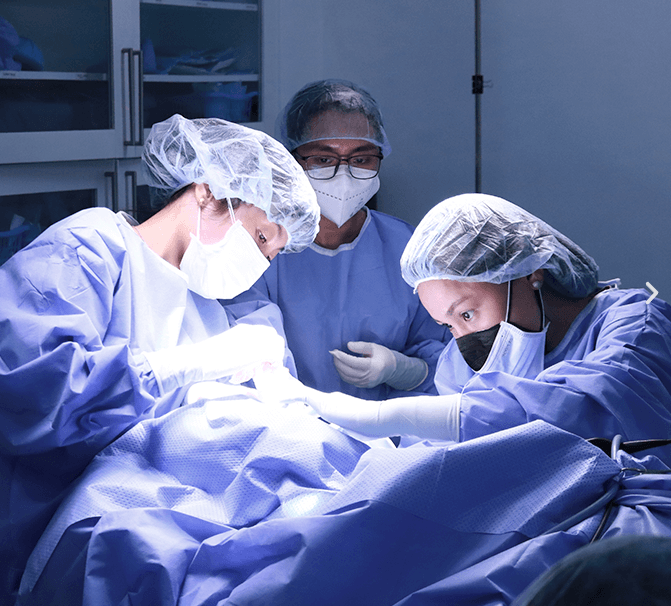
Timely surgical intervention plays a vital role in managing femoral neck fractures. Delaying surgery increases the risk of complications, including bone death due to disrupted blood supply and prolonged immobility that can lead to muscle weakness and joint stiffness. Older adults are particularly vulnerable, as delayed treatment can significantly affect their independence and overall health. Surgery not only stabilizes the fracture but also alleviates pain, restores the ability to walk, and reduces the chances of long-term disability. The urgency and type of surgery depend on factors such as the fracture’s displacement, the patient’s age, overall health, and activity level. In Quezon City, orthopedic surgeons prioritize individualized care, ensuring that each patient receives the most appropriate surgical approach. Choosing surgery promptly can dramatically improve recovery outcomes and enhance post-operative quality of life.
There are several surgical options for treating femoral neck fractures, and the right choice depends on the patient’s specific condition. Internal fixation is one common approach, where screws, plates, or pins are used to stabilize the bone. This method is often suitable for younger patients with nondisplaced fractures, as it preserves the patient’s natural hip joint. Hemiarthroplasty, or partial hip replacement, replaces only the fractured portion of the femur and is typically recommended for older adults with displaced fractures. Total hip replacement is another option, suitable for patients with pre-existing hip arthritis or severely damaged femoral necks, providing long-term joint stability and improved mobility. Modern minimally invasive techniques are also available in Quezon City, allowing faster recovery and less post-operative pain. Each surgical method requires careful assessment by an experienced orthopedic surgeon to ensure the best possible outcome. Discussing these options with healthcare providers helps patients understand the benefits and potential risks associated with each procedure.
Choosing the right hospital or orthopedic center is a crucial factor in the success of femoral neck fracture surgery. Patients should look for facilities that have experienced orthopedic surgeons, state-of-the-art surgical equipment, and comprehensive post-operative rehabilitation programs. In Quezon City, several hospitals and clinics specialize in orthopedic care, offering dedicated hip fracture treatment services. Factors to consider when selecting a facility include the availability of physical therapy services, patient support programs, and follow-up care to monitor recovery progress. Access to multidisciplinary teams, including nutritionists and pain management specialists, can also enhance recovery outcomes. Visiting hospitals beforehand and consulting with surgeons allows patients and families to make informed choices. Local centers with proven track records in hip surgery provide peace of mind and a structured plan for recovery.
Proper pre-surgery preparation is essential for achieving successful outcomes in femoral neck fracture surgery. Medical assessments, including X-rays, MRI scans, and blood tests, help determine the exact nature of the fracture and identify potential risks during surgery. Preoperative counseling provides patients with a clear understanding of the procedure, anesthesia options, and what to expect during recovery. Managing medications and adjusting lifestyle factors, such as diet and physical activity, can also improve surgical readiness. Patients may be advised to use mobility aids like walkers or crutches before surgery to maintain some level of independence safely. Preparing mentally and physically for surgery reduces anxiety and helps patients actively participate in their recovery. Close communication with the healthcare team ensures that any underlying health conditions, such as diabetes or heart disease, are managed before the operation.
Recovery and rehabilitation following femoral neck fracture surgery are critical steps in restoring mobility and independence. Hospital stays generally range from a few days to a week, depending on the type of surgery and the patient’s overall health. Physical therapy begins shortly after surgery, focusing on gentle exercises to improve strength, flexibility, and balance. Gradual weight-bearing activities are introduced under the guidance of trained therapists to prevent complications such as muscle atrophy or joint stiffness. Home care is equally important, and patients may need to modify their living spaces to prevent falls, including removing loose rugs and installing handrails. Regular follow-up appointments allow surgeons to monitor bone healing and detect any issues early. Preventing post-operative complications such as infections, blood clots, and hip dislocation is a top priority during recovery.
Maintaining a long-term healthy lifestyle after femoral neck fracture surgery is vital to avoid further injuries and support overall mobility. Patients are encouraged to gradually return to daily activities, including walking, household tasks, and gentle exercises. Bone health can be improved through a balanced diet rich in calcium and vitamin D, regular weight-bearing exercises, and, if necessary, medications prescribed by doctors. Awareness of early warning signs, such as increased hip pain or swelling, helps patients seek timely medical attention and prevent further complications. Using walking aids and practicing safe movement techniques can prevent accidental falls, especially in older adults. Consistent follow-up care with orthopedic specialists ensures that patients maintain optimal hip function. Long-term monitoring can also help detect conditions like arthritis or wear in replaced joints, allowing for early intervention if needed.
Costs and insurance considerations are important aspects for patients undergoing femoral neck fracture surgery in Quezon City. Surgery expenses may vary depending on the type of procedure, hospital, surgeon’s fees, and post-operative care requirements. Insurance coverage can significantly reduce out-of-pocket expenses, though patients should verify the extent of coverage for both surgery and rehabilitation services. Financial planning for hospital stays, physiotherapy sessions, and medications is essential to avoid unexpected burdens. Some hospitals in Quezon City offer flexible payment plans or assistance programs for patients who need them. Comparing costs and services across multiple centers ensures that patients receive quality care within their budget. Being informed about all financial aspects of surgery allows families to focus on the patient’s recovery rather than logistical concerns.
Key Considerations for a Successful Recovery
- Follow physical therapy routines consistently
- Monitor surgical sites for infection or swelling
- Use walking aids as instructed
- Maintain a balanced diet to support bone healing
- Avoid high-impact activities until cleared by the doctor
- Attend all follow-up appointments and imaging sessions
- Discuss any pain, stiffness, or mobility concerns promptly with your healthcare provider
Frequently Asked Questions
- How long does it take to recover after femoral neck fracture surgery? Recovery varies by age, health, and type of surgery, but most patients regain significant mobility within 3 to 6 months.
- Is femoral neck fracture surgery painful? Pain is usually managed with medication, and most patients experience gradual relief as the bone heals and physical therapy progresses.
- Can elderly patients safely undergo this surgery? Yes, with proper preoperative assessments and careful monitoring, elderly patients often have successful outcomes.
- How soon can I start walking after surgery? Weight-bearing activities typically begin a few days after surgery, often with the help of walkers or crutches.
- Are there non-surgical alternatives for femoral neck fractures? Non-surgical treatment is limited and generally reserved for patients who cannot undergo surgery due to severe health risks.
- What are the risks associated with femoral neck fracture surgery? Potential risks include infection, blood clots, hip dislocation, and delayed bone healing, but careful management reduces these risks significantly.
Femoral neck fracture surgery in Quezon City offers patients access to advanced orthopedic care, specialized surgical techniques, and comprehensive rehabilitation programs. By understanding the fracture type, surgical options, recovery process, and long-term lifestyle adjustments, patients and their families can make informed decisions that promote healing and mobility. Prioritizing early intervention, choosing experienced surgeons, and adhering to rehabilitation protocols ensure the best possible outcomes for anyone facing this challenging injury.
Takeaway
Prompt and well-managed femoral neck fracture surgery, coupled with dedicated rehabilitation and lifestyle adjustments, can restore mobility, reduce pain, and significantly improve quality of life. Quezon City offers experienced orthopedic teams and facilities to support patients through every stage of recovery, making timely care the cornerstone of successful outcomes.