Noticing a lump near your wrist, hand, or ankle can be alarming. Many people in Manila experience this and often wonder if it is something serious. One common cause of such lumps is a ganglion cyst. Ganglion cysts are noncancerous, fluid-filled sacs that develop near joints or tendons. They can appear suddenly or gradually, and their size may change over time. While often harmless, ganglion cysts can cause discomfort, limit mobility, or interfere with daily activities. Understanding what they are, their causes, and available treatment options is essential for anyone dealing with this condition.
Ganglion cysts most frequently occur in the wrist and hand, but they can also develop in the ankle or foot. People who perform repetitive hand or wrist movements, such as typing, playing musical instruments, or participating in sports, may have a higher likelihood of developing these cysts. The presence of a lump in a joint can affect function and may lead individuals to seek medical care. In Manila, patients seeking a reliable solution for ganglion cysts can find expert care at Tec Orthopedics, where advanced treatments are available to manage and remove these cysts effectively.
What is a Ganglion Cyst?
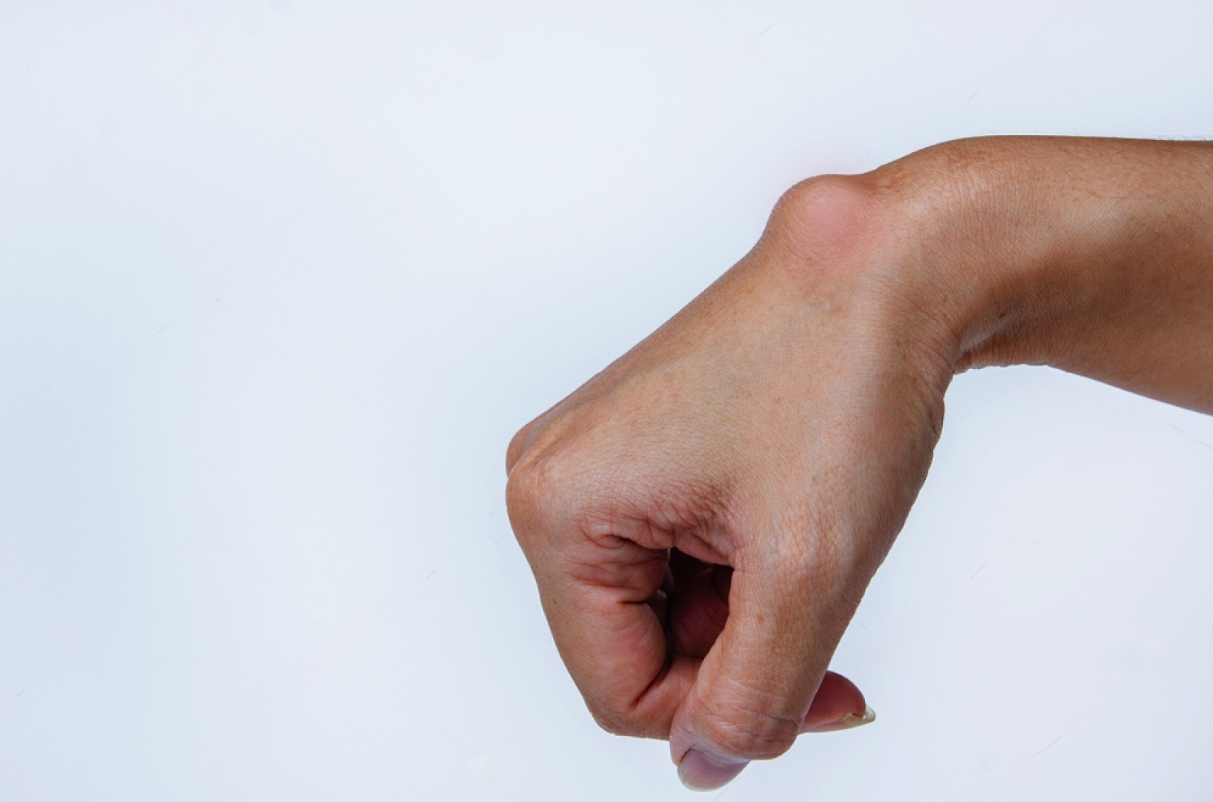
A ganglion cyst is a sac-like structure filled with clear, jelly-like fluid. It forms near a joint capsule or tendon sheath and can vary greatly in size. Some cysts are small, about the size of a pea, while others can grow to the size of a golf ball. The exact cause of ganglion cysts is not fully understood, but they are often linked to repetitive stress or minor injuries to the joint or tendon. Despite their sometimes alarming appearance, ganglion cysts are generally noncancerous and not life-threatening.
Patients often notice a smooth, round lump on their wrist or hand. The cyst may be firm or soft to the touch, and in some cases, it can move slightly when pressed. While many ganglion cysts do not cause pain, some can result in aching, tenderness, or restricted movement, especially when the cyst presses against a nerve. Proper evaluation by a qualified orthopedic specialist is crucial to determine whether a lump is a ganglion cyst and to explore treatment options.
Causes and Risk Factors
Ganglion cysts can develop for several reasons, often related to repetitive stress on a joint or tendon. Activities that involve repeated wrist, hand, or ankle movements can increase the likelihood of cyst formation. Certain occupations, sports, or hobbies may contribute to this risk. People who have experienced joint injuries or inflammation may also be more susceptible.
Age and activity level play a role as well. Ganglion cysts are most commonly observed in individuals between 20 and 40 years old, although they can appear at any age. Women are more likely than men to develop cysts in the wrist or hand. Genetics may also play a role, as some individuals may be more predisposed to joint or tendon abnormalities that lead to cyst formation.
Symptoms and When to Seek Treatment
A visible lump is usually the first symptom of a ganglion cyst. The lump can appear on the back of the wrist, the palm side of the wrist, or near the base of a finger. Patients may notice that the lump changes size over time, becoming larger with increased activity and smaller during periods of rest.
Pain is not always present, but when it occurs, it may be described as a dull ache, burning sensation, or sharp discomfort when the joint moves. Cysts located near nerves can cause tingling, numbness, or weakness in the affected hand or fingers. Functional limitations, such as difficulty gripping objects or performing precise movements, are other signs that a ganglion cyst may require medical attention.
Anyone experiencing persistent pain, swelling, or restricted movement should consult an orthopedic specialist. Early assessment allows for accurate diagnosis and a wider range of treatment options.
Diagnosis of Ganglion Cysts
Diagnosis begins with a thorough physical examination. A qualified orthopedic specialist will inspect and palpate the lump to assess its size, firmness, and mobility. The doctor may ask about any changes in size or discomfort over time.
Imaging studies may also be used to confirm the diagnosis. Ultrasound can identify fluid-filled cysts and evaluate their relationship to surrounding tissues. MRI scans are sometimes recommended for more complex cases or to rule out other conditions that could cause similar lumps. Accurate diagnosis ensures that treatment is targeted and effective, reducing the likelihood of complications or recurrence.
Treatment Options
Treatment for ganglion cysts depends on their size, location, and severity of symptoms. Many cysts do not require immediate intervention and can be monitored over time.
Non-surgical options include observation, splinting, or aspiration. Observation involves monitoring the cyst to see if it changes in size or causes discomfort. Splinting can help reduce irritation and allow the joint to rest. Aspiration involves draining the fluid from the cyst using a needle, which may provide temporary relief, although recurrence is possible.
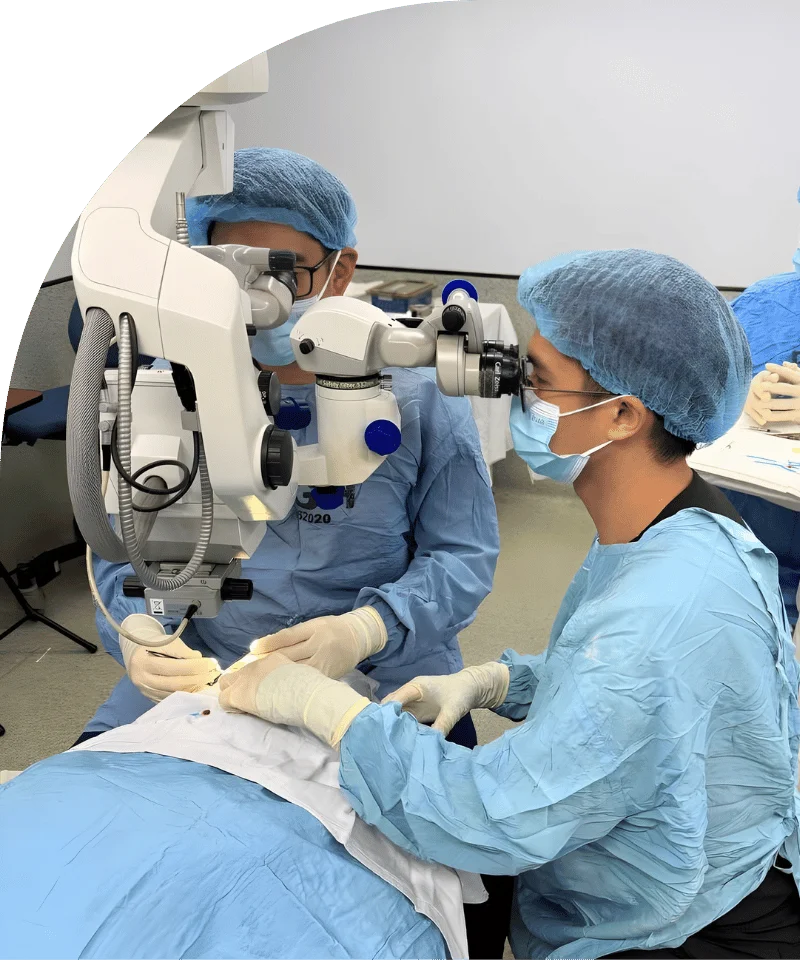
Surgical removal is often recommended for cysts that cause significant pain, limit movement, or recur after non-surgical treatments. Ganglion cyst removal surgery involves excising the cyst along with a portion of the joint capsule or tendon sheath to reduce the likelihood of recurrence. Surgical techniques have advanced to minimize scarring, reduce recovery time, and maintain joint function. Patients in Manila seeking reliable ganglion cyst removal can trust Tec Orthopedics for safe, effective procedures.
Why Choose Tec Orthopedics for Ganglion Cyst Removal
Tec Orthopedics provides expert care for patients with ganglion cysts in Manila. Dr. Tec, a board-certified orthopedic surgeon, leads the team with extensive international training in hand and microsurgery as well as hip and knee preservation and replacement. His experience ensures that each patient receives precise and effective care tailored to their needs.
The clinic employs advanced surgical methods to ensure optimal outcomes. From preoperative assessment to post-surgery rehabilitation, Tec Orthopedics prioritizes patient comfort and recovery. Personalized treatment plans and compassionate support make the process easier for patients seeking relief from ganglion cyst symptoms.
Recovery and Rehabilitation
Recovery after Ganglion Cyst Manila removal depends on the size and location of the cyst and the individual’s overall health. Most patients experience improvement in pain and mobility within a few weeks, though full recovery may take several months.
Rehabilitation often involves physical therapy to restore strength, flexibility, and joint function. Exercises are designed to prevent stiffness and improve range of motion. Patients are advised to avoid heavy lifting or strenuous activity during the initial recovery period to prevent complications and minimize the risk of recurrence. Tec Orthopedics provides guidance and support throughout the rehabilitation process to ensure patients regain optimal function.
Preventing Recurrence
While surgery and proper care reduce the likelihood of recurrence, ganglion cysts can reappear. Patients are encouraged to manage repetitive stress on joints and maintain good hand and wrist health. Stretching, strengthening exercises, and ergonomic adjustments for work or daily activities can help prevent new cysts from forming.
Takeaway
Ganglion cysts can interfere with daily life, but proper diagnosis and treatment allow patients to regain comfort and mobility. Patients in Manila can rely on Tec Orthopedics for expert evaluation, safe removal surgery, and supportive rehabilitation. Seeking care early ensures the best outcomes and helps prevent complications or recurrence.
FAQ About Ganglion Cyst Manila
What causes ganglion cysts?
Ganglion cysts often result from repetitive stress or minor injuries to joints or tendons. Genetics and certain occupations or activities may also contribute.
Are ganglion cysts dangerous?
Most ganglion cysts are noncancerous and not life-threatening. They may cause pain or limit movement but rarely indicate a serious condition.
Can ganglion cysts go away on their own?
Some cysts may shrink or disappear without treatment. Observation is appropriate for painless cysts that do not interfere with joint function.
What is the best treatment for ganglion cysts in Manila?
Tec Orthopedics offers both non-surgical and surgical options. Small, painless cysts may be monitored, while larger or painful cysts may require removal surgery for lasting relief.
How long does recovery take after ganglion cyst removal surgery?
Recovery typically ranges from a few weeks to several months. Physical therapy and following medical advice can help restore mobility and prevent recurrence.
Is ganglion cyst removal painful?
Surgery is performed under anesthesia, so patients do not feel pain during the procedure. Mild discomfort may occur during recovery but is manageable with medication and proper care.
Can ganglion cysts recur after removal?
Recurrence is possible but less likely when the cyst and surrounding tissue are properly excised. Patients are advised to follow recovery and prevention guidelines.