Posterior Cruciate Ligament plays a central role in maintaining knee stability and proper joint alignment during movement. The Posterior Cruciate Ligament connects the thigh bone (femur) to the shin bone (tibia) and helps control backward movement of the tibia. Without a healthy Posterior Cruciate Ligament, the knee may feel unstable, especially during walking downhill, going downstairs, or sudden changes in direction.
Posterior Cruciate Ligament is stronger than many other knee ligaments, yet it can still suffer injury during high-impact trauma. When the Posterior Cruciate Ligament is damaged, the knee loses part of its natural control system, leading to pain, instability, and difficulty with physical activity.
Posterior Cruciate Ligament injuries are less common compared to ACL injuries, but they can be more challenging when not properly diagnosed. Because the Posterior Cruciate Ligament works closely with other stabilizing structures in the knee, damage often affects overall joint performance.
Understanding how the Posterior Cruciate Ligament functions helps patients recognize why early assessment and proper treatment are important for long-term knee health.
Common Causes of Posterior Cruciate Ligament Injury
Posterior Cruciate Ligament injuries often result from direct force applied to the knee. Unlike gradual wear-and-tear conditions, Posterior Cruciate Ligament damage is usually linked to a specific incident or trauma.
One of the most common causes of Posterior Cruciate Ligament injury is a direct impact to the front of the knee while it is bent. This often happens during car accidents when the knee strikes the dashboard. Sports injuries also contribute significantly to Posterior Cruciate Ligament damage, especially in contact sports where falls, collisions, or tackles occur.
Posterior Cruciate Ligament injury can also occur during falls on a bent knee, where the shin bone is forced backward. Work-related accidents involving heavy impact or sudden twisting movements may also strain or tear the Posterior Cruciate Ligament.
Athletes involved in basketball, football, volleyball, and similar sports may experience Posterior Cruciate Ligament injuries due to high-energy movements combined with physical contact. Even though the Posterior Cruciate Ligament is strong, repeated stress or severe trauma can exceed its capacity.
Recognizing these causes helps patients understand how Posterior Cruciate Ligament injuries occur and when to seek medical evaluation.
Signs and Symptoms of Posterior Cruciate Ligament Injury
Posterior Cruciate Ligament injuries may present differently depending on severity. Some patients experience mild discomfort, while others develop significant knee instability.
One common symptom of Posterior Cruciate Ligament injury is pain at the back of the knee. Swelling may develop within hours or days after the injury. Patients may also notice difficulty bending the knee or walking comfortably, especially on uneven surfaces.
A key sign of Posterior Cruciate Ligament damage is a feeling of instability. The knee may feel weak or like it is “giving way” during movement. This instability becomes more noticeable when walking downstairs or running.
In some cases, Posterior Cruciate Ligament injuries may be mistaken for minor sprains because pain levels can vary. However, untreated Posterior Cruciate Ligament damage may lead to long-term joint issues, including cartilage wear and early arthritis.
Other symptoms may include stiffness, reduced range of motion, and difficulty returning to physical activity. Because Posterior Cruciate Ligament injury symptoms can overlap with other knee conditions, proper assessment is important.
How Posterior Cruciate Ligament Injuries Are Diagnosed
Diagnosis of Posterior Cruciate Ligament injury requires a careful clinical approach. A medical professional will begin with a detailed history of the injury, including how it happened and what symptoms followed.
Physical examination plays a key role in identifying Posterior Cruciate Ligament damage. Specific movement tests help evaluate knee stability and determine whether the Posterior Cruciate Ligament is functioning properly.
Imaging studies such as MRI are commonly used to confirm Posterior Cruciate Ligament injury. MRI scans provide detailed views of soft tissues, including ligaments, cartilage, and surrounding structures. This helps determine whether the Posterior Cruciate Ligament is partially torn, fully torn, or strained.
X-rays may also be requested to rule out bone fractures or additional joint damage. In some cases, stress tests or follow-up evaluations are needed to fully assess Posterior Cruciate Ligament condition.
Accurate diagnosis of Posterior Cruciate Ligament injury is essential because treatment plans depend on injury severity and associated knee damage.
Non-Surgical Treatment Options for Posterior Cruciate Ligament Injury
Not all Posterior Cruciate Ligament injuries require surgery. Mild to moderate cases may respond well to non-surgical treatment approaches.
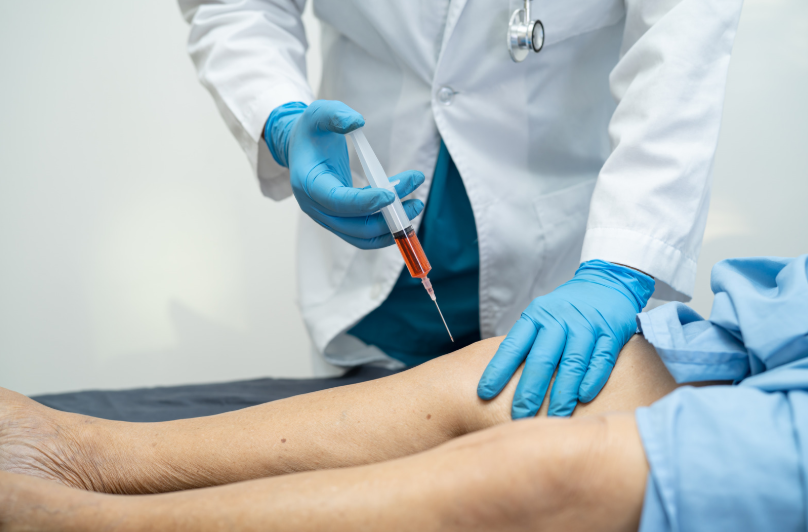
Rest is often the first step in managing Posterior Cruciate Ligament injury. Avoiding activities that place stress on the knee helps reduce inflammation and prevents further damage. Knee bracing may also support stability during recovery.
Physical therapy plays a major role in Posterior Cruciate Ligament rehabilitation. Strengthening the muscles around the knee helps compensate for ligament weakness and improves joint control. Exercises focus on restoring range of motion, balance, and strength.
Pain management strategies may be recommended depending on symptoms. These may include medication and cold therapy to reduce swelling.
A structured rehabilitation program allows patients with Posterior Cruciate Ligament injury to gradually return to normal activity. Regular monitoring ensures that recovery is progressing properly and that knee stability is improving.
Posterior Cruciate Ligament Reconstruction Surgery
Severe Posterior Cruciate Ligament injuries may require surgical intervention, especially when knee instability affects daily life or athletic performance.
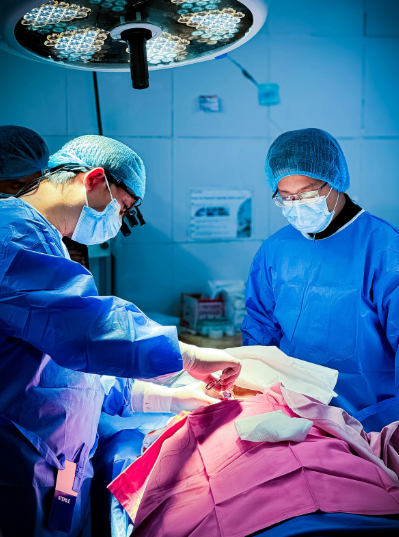
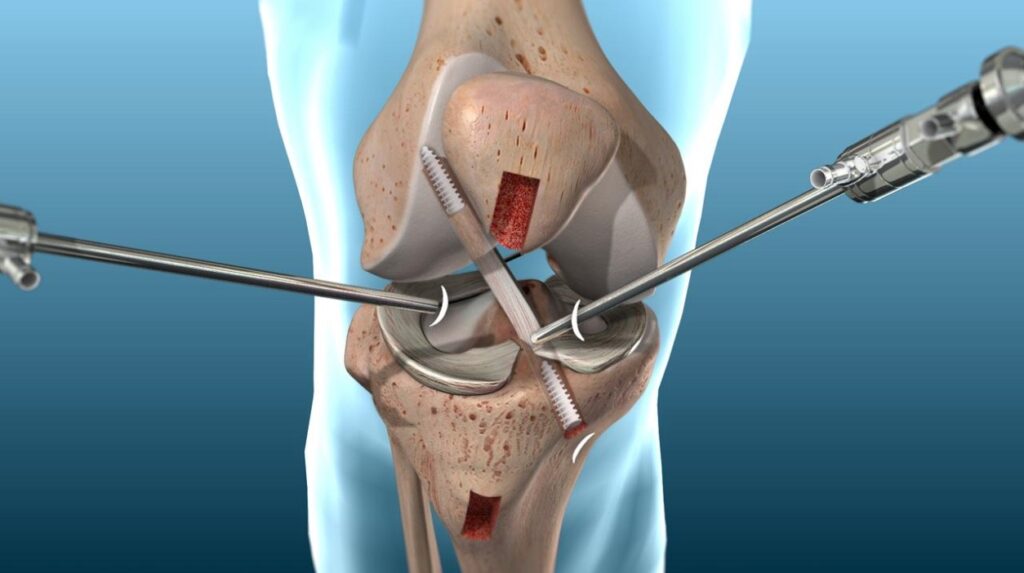
Posterior Cruciate Ligament reconstruction surgery involves replacing the damaged ligament with a graft. This graft may come from the patient’s own tissue or from a donor source. The goal of Posterior Cruciate Ligament reconstruction is to restore knee stability and improve long-term joint function.
Arthroscopic techniques are commonly used in Posterior Cruciate Ligament surgery. This minimally invasive approach allows surgeons to operate through small incisions, reducing tissue damage and supporting recovery.
Patients with combined ligament injuries or persistent instability are often considered for Posterior Cruciate Ligament reconstruction. The procedure is carefully planned based on the severity of damage and overall knee condition.
After Posterior Cruciate Ligament surgery, rehabilitation is essential for regaining strength and mobility.
Recovery After Posterior Cruciate Ligament Surgery
Recovery after Posterior Cruciate Ligament reconstruction follows a structured process. Early healing focuses on protecting the knee and controlling swelling. A brace may be used to support the joint while the Posterior Cruciate Ligament graft heals.
Gradual movement is introduced through supervised physical therapy. This stage helps restore flexibility and prevent stiffness. As healing progresses, strengthening exercises become more intensive to support the Posterior Cruciate Ligament and surrounding muscles.
Walking ability improves over time, and patients slowly return to daily activities. Full recovery after Posterior Cruciate Ligament surgery may take several months, depending on injury severity and rehabilitation progress.
Return to sports requires careful evaluation to ensure that the Posterior Cruciate Ligament and knee structures are strong enough to handle physical demands.
Sports Injury Care and Arthroscopy Services
Patients with Posterior Cruciate Ligament injuries often require specialized orthopedic care, especially when the injury affects athletic performance or physical activity.
At Lao Orthopedic Clinic, care for Posterior Cruciate Ligament injuries includes evaluation, diagnosis, non-surgical management, and surgical treatment when needed. The clinic also handles related knee conditions, sports injuries, and joint reconstruction cases.
Posterior Cruciate Ligament care may involve arthroscopic surgery for precise treatment of internal knee damage. This approach supports faster recovery and improved joint function.
Services also extend to hip, knee, and shoulder conditions, as well as trauma-related injuries affecting mobility.
Why Choose Lao Orthopedic Services for Posterior Cruciate Ligament Care
Choosing proper care for Posterior Cruciate Ligament injury can make a significant difference in recovery outcomes. Patients benefit from a structured treatment plan tailored to their condition.
At Lao Orthopedic Clinic, Posterior Cruciate Ligament care focuses on restoring knee stability and supporting long-term joint health. Treatment approaches are based on medical evaluation, imaging results, and patient activity level.
The clinic serves patients across Bicol, including Naga City, Legazpi City, and Camarines Sur. This wide reach allows more individuals with Posterior Cruciate Ligament injuries to access specialized orthopedic care.
About Dr. Lawrence Lao, MD
Dr. Lawrence Lao provides orthopedic care for Posterior Cruciate Ligament injuries and other musculoskeletal conditions. With more than 16 years of medical experience, he focuses on restoring movement and improving joint function.
His training in Orthopedic Traumatology at East Avenue Medical Center supports his work in treating complex injuries, including Posterior Cruciate Ligament cases. Additional subspecialty training in Hip and Knee Reconstruction in Taiwan and Sports Surgery and Arthroscopy in Thailand further strengthens his expertise.
Patients with Posterior Cruciate Ligament injuries benefit from structured evaluation and treatment planning aimed at restoring knee stability and function.
Service Areas for Posterior Cruciate Ligament Treatment
Posterior Cruciate Ligament care is available for patients across:
- Naga City
- Legazpi City
- Camarines Sur
- Other areas across the Bicol region
Patients experiencing Posterior Cruciate Ligament injury symptoms are encouraged to seek early assessment to support better recovery outcomes.
Frequently Asked Questions About Posterior Cruciate Ligament Injury
What is the Posterior Cruciate Ligament?
Posterior Cruciate Ligament is a key knee structure that controls backward movement of the shin bone and supports knee stability.
How does Posterior Cruciate Ligament injury happen?
Posterior Cruciate Ligament injury often results from direct impact to a bent knee, sports trauma, or accidents.
Can Posterior Cruciate Ligament injuries heal without surgery?
Mild Posterior Cruciate Ligament injuries may improve with therapy, bracing, and rehabilitation.
How long does recovery take after Posterior Cruciate Ligament surgery?
Recovery after Posterior Cruciate Ligament reconstruction may take several months depending on injury severity and rehabilitation progress.
What are signs of Posterior Cruciate Ligament injury?
Common signs include knee pain, swelling, instability, and difficulty walking or bending the knee.
When should a doctor be consulted for Posterior Cruciate Ligament injury?
Medical evaluation is recommended when knee pain, swelling, or instability occurs after trauma.