Hydrocele is a common condition in infants and children, characterized by a fluid buildup around the testicle, causing noticeable swelling in the scrotum. While many hydroceles resolve on their own, there are cases where Hydrocele Removal becomes necessary. Parents and caregivers often wonder when it’s the right time to consider surgery, and consulting with experienced professionals like The Specialists Surgery & Cancer Center ensures the safest outcomes for young patients.
Understanding Pediatric Hydrocele
What is a Hydrocele?
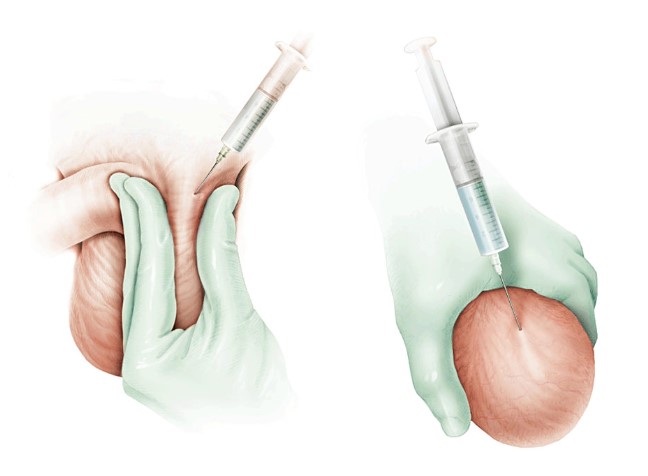
A pediatric hydrocele occurs when fluid accumulates in the sac surrounding the testicle. There are two main types: communicating hydroceles, where the fluid can move between the scrotum and the abdominal cavity, and non-communicating hydroceles, where the fluid is contained in the scrotum. Typically, hydroceles are painless and do not affect a child’s overall health, but they do create visible swelling.
Common Causes
Most hydroceles in children are congenital, caused by the incomplete closure of the processus vaginalis, a passage that normally closes shortly after birth. Less commonly, hydroceles can develop due to infections, injuries, or underlying conditions. Understanding the cause helps determine whether Hydrocele Removal is necessary.
Symptoms to Watch For
Hydrocele in children usually presents as painless swelling on one or both sides of the scrotum. The size may fluctuate during the day, and in rare cases, the child may experience discomfort. Persistent swelling, changes in shape, or associated pain are signals to consult a pediatric urologist about Hydrocele Removal.
When Hydrocele Requires Surgical Intervention
Age Considerations
Many hydroceles in infants resolve naturally within the first year of life. Surgery is generally considered if the hydrocele persists beyond 12 to 18 months. Waiting too long may lead to unnecessary discomfort or potential complications, which is why parents should have regular evaluations from specialists like The Specialists Surgery & Cancer Center.
Severity and Complications
Hydroceles that rapidly enlarge, cause discomfort, or are associated with inguinal hernias often require Hydrocele Removal. A significant swelling can impact mobility or daily activities, making timely intervention important for the child’s comfort and health.
Signs That Surgery is Urgent
While most hydroceles are not emergencies, certain signs indicate the need for prompt Hydrocele Removal. These include pain, redness, signs of infection, or swelling that affects testicular development. Suspected complications like testicular torsion or underlying abnormalities also require immediate medical evaluation by a trusted pediatric urology center.
Pediatric Hydrocele Surgery (Hydrocelectomy)
What to Expect
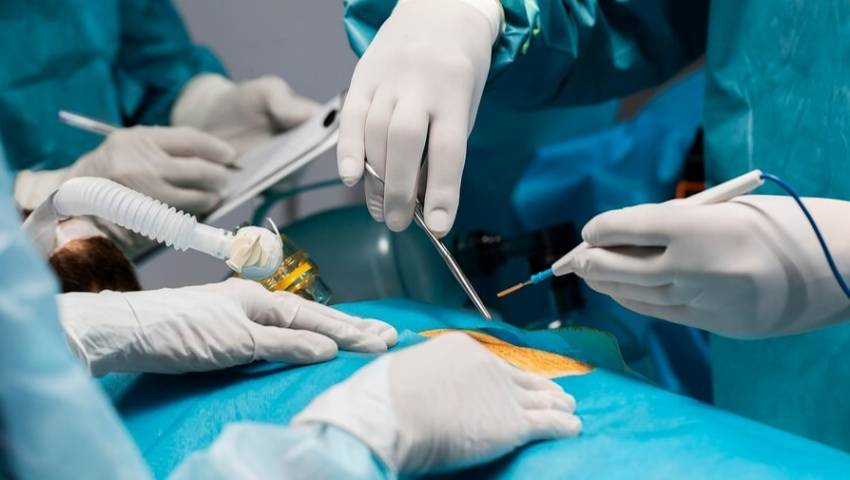
Before surgery, a thorough examination and imaging studies help determine the type and size of the hydrocele. Pediatric anesthesiologists ensure the child’s safety during the procedure, making Hydrocele Removal a smooth and well-monitored process at The Specialists Surgery & Cancer Center.
The Surgical Procedure
Hydrocelectomy, the surgical method for Hydrocele Removal, involves making a small incision in the scrotum, draining the fluid, and repairing the sac to prevent recurrence. The procedure is typically brief, and surgeons take care to minimize discomfort and ensure a safe outcome.
Recovery and Aftercare
Postoperative care is crucial for a successful recovery. Children may experience mild swelling or bruising, which usually resolves within a few weeks. Parents should follow care instructions closely, including keeping the area clean, monitoring for signs of infection, and ensuring the child avoids strenuous activity. The Specialists Surgery & Cancer Center provides detailed aftercare guidance to make recovery as smooth as possible.
Non-Surgical Management
Observation remains appropriate for hydroceles that are small, painless, and not affecting the child’s daily life. Regular pediatric check-ups help monitor any changes. Surgery becomes necessary only when hydroceles persist, enlarge, or cause discomfort, highlighting the importance of expert evaluation for Hydrocele Removal.
Takeaway
Persistent or complicated pediatric hydroceles require careful evaluation and timely Hydrocele Removal to prevent discomfort and complications. Consulting with expert providers like The Specialists Surgery & Cancer Center ensures children receive safe, effective, and compassionate care. Monitoring, proper diagnosis, and surgical intervention when necessary guarantee the best outcomes for young patients and peace of mind for their families.
FAQs About Pediatric Hydrocele and Hydrocele Removal
How common is hydrocele in children?
Hydrocele affects a significant number of newborns and young children, particularly in the first year of life. Most resolve without surgery.
Can hydrocele resolve on its own?
Yes, many hydroceles disappear naturally by age 1. Persistent cases beyond 12–18 months often require Hydrocele Removal.
What are the risks of delaying surgery?
Delaying surgery may lead to discomfort, swelling, and potential complications like hernias or impact on testicular growth.
How long is recovery after hydrocele surgery in children?
Recovery is usually quick. Most children resume normal activities within a few weeks, with proper guidance from specialists.
Are there alternatives to surgery?
Observation is the main alternative for uncomplicated hydroceles. Surgery is recommended if the hydrocele persists, enlarges, or causes discomfort.