2nd Degree Burn Wound Care is essential for patients who experience partial-thickness burns that affect both the outer and underlying layers of the skin. These burns often result in blisters, intense pain, and a higher risk of infection if not managed properly. Prompt and advanced care can prevent complications, accelerate healing, and minimize scarring. Negative Pressure Therapy (NPT) has emerged as a powerful solution in modern burn treatment, providing targeted support to accelerate recovery. Kalingap Wound Care Clinic offers expert guidance and advanced facilities for managing 2nd Degree Burn Wound Care using this innovative therapy.
Understanding 2nd Degree Burns
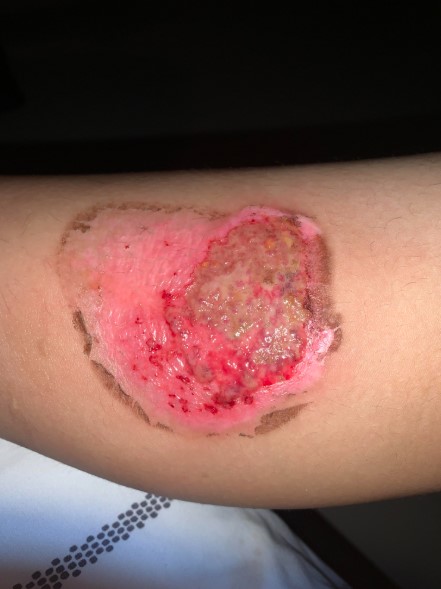
2nd Degree burns are characterized by damage to the epidermis and parts of the dermis, leading to redness, swelling, blister formation, and severe pain. Without proper management, these burns can become infected, prolong healing, and result in permanent scarring. Effective 2nd Degree Burn Wound Care focuses on preventing infection, maintaining moisture balance, and supporting the natural regeneration of healthy tissue. Patients require careful monitoring and expert intervention to ensure optimal recovery.
What is Negative Pressure Therapy (NPT)?
Negative Pressure Therapy, also known as Vacuum-Assisted Closure (VAC) therapy, is a modern wound care technique that uses controlled suction to support healing. A specialized dressing is applied to the wound and connected to a device that creates negative pressure, removing excess fluid and stimulating tissue regeneration. This therapy creates a controlled, moist environment that promotes faster healing, reduces bacterial growth, and enhances blood flow to the affected area. Kalingap Wound Care Clinic specializes in applying NPT effectively for 2nd Degree Burn Wound Care, ensuring patient comfort and superior outcomes.
How NPT Helps in 2nd Degree Burn Healing
Negative Pressure Therapy offers multiple benefits that make it an ideal solution for 2nd Degree Burn Wound Care. First, it accelerates wound closure by stimulating granulation tissue formation, which is essential for rebuilding skin layers. Second, NPT reduces the risk of infection by continuously removing exudate, debris, and harmful bacteria from the wound site. Third, it decreases edema and inflammation, improving blood circulation and supporting the body’s natural healing processes. Finally, NPT minimizes scarring by promoting even tissue regeneration, which is critical for both functional recovery and aesthetic outcomes. Patients under the care of Kalingap Wound Care Clinic benefit from a tailored NPT approach that addresses the unique needs of each burn wound.
The Procedure: What to Expect
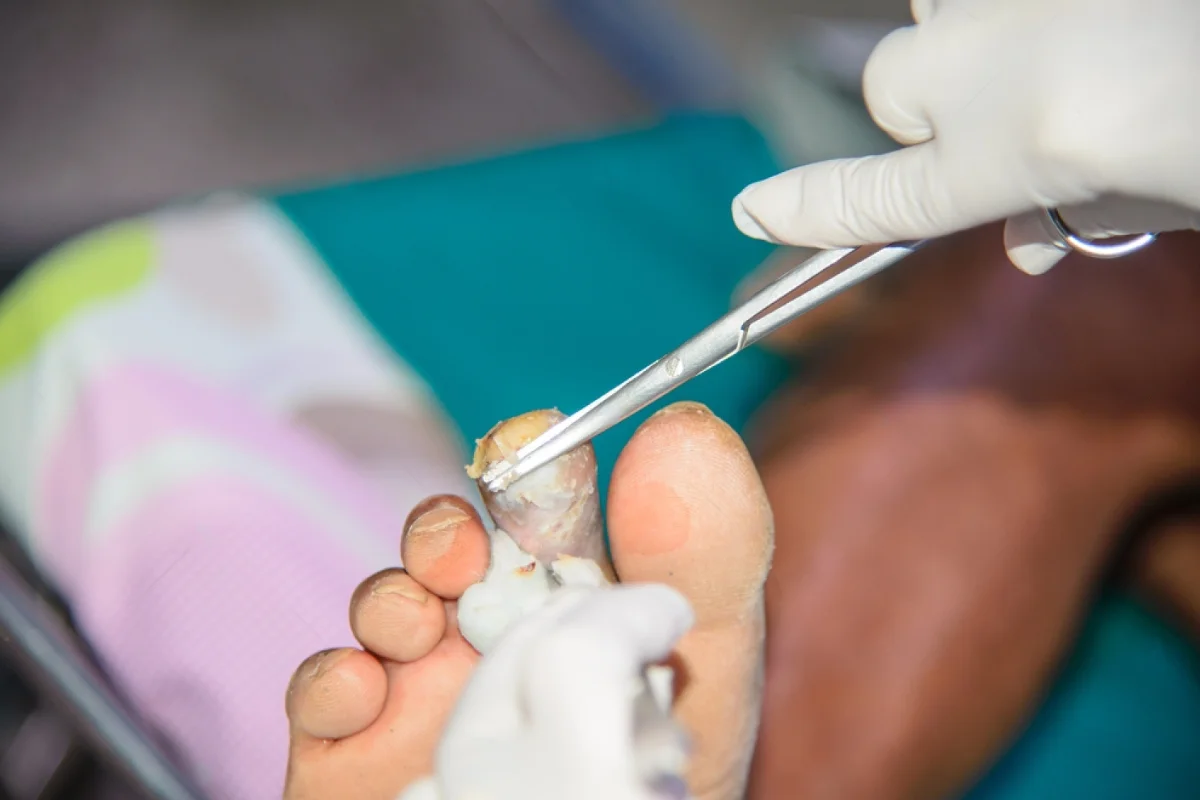
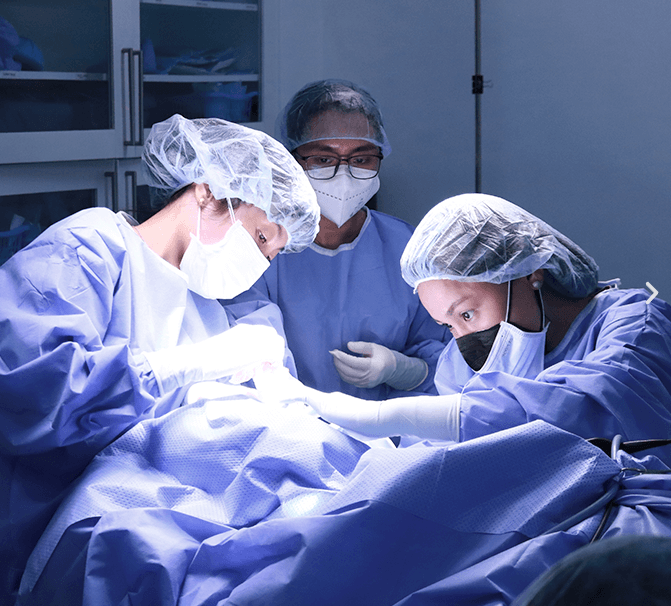
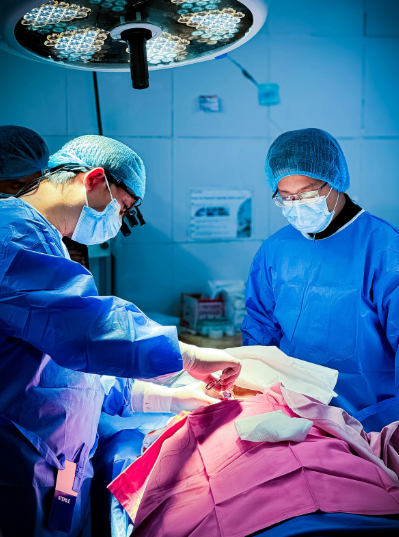
Patients undergoing Negative Pressure Therapy for 2nd Degree Burn Wound Care can expect a safe and carefully monitored procedure. The burn area is first cleaned and assessed by trained specialists. A foam or gauze dressing is applied and sealed with an adhesive film. The dressing is then connected to the NPT device, which maintains continuous negative pressure. The therapy is typically administered for several hours a day, and dressings are changed at intervals recommended by the specialist. Kalingap Wound Care Clinic ensures that all procedures are performed by experienced staff, providing guidance and support throughout the healing journey.
Who Can Benefit from NPT?
NPT is ideal for patients with 2nd Degree Burns that require faster healing, have slow tissue regeneration, or carry a high risk of infection. Children, elderly patients, and individuals with weakened immune systems can benefit from this therapy when administered under professional supervision. However, patients with certain medical conditions or allergies may require alternative treatments. Kalingap Wound Care Clinic evaluates each patient thoroughly to determine the suitability of NPT for their 2nd Degree Burn Wound Care.
Complementary Care Alongside NPT
Optimal 2nd Degree Burn Wound Care involves more than just Negative Pressure Therapy. Pain management strategies, including medications and topical applications, ensure patient comfort. Proper hygiene and dressing maintenance prevent secondary infections. Nutrition and hydration play an essential role in accelerating tissue regeneration. For burns near joints, physical therapy may be incorporated to maintain mobility and prevent stiffness. Kalingap Wound Care Clinic provides comprehensive support for all aspects of recovery, combining NPT with holistic care practices.
Advantages of Choosing NPT Over Traditional Methods
Negative Pressure Therapy offers significant advantages over conventional dressing methods. It reduces healing time, allowing patients to recover faster and return to normal activities sooner. By lowering the risk of infection, NPT minimizes hospital stays and reduces overall healthcare costs. Additionally, patients experience improved wound outcomes, with less scarring and better functional recovery. Kalingap Wound Care Clinic ensures these benefits are maximized through expert application and personalized care plans for every patient undergoing 2nd Degree Burn Wound Care.
Potential Risks and Considerations
While NPT is highly effective, it requires professional monitoring to prevent complications. Some patients may experience minor discomfort or skin irritation, but serious adverse effects are rare when administered correctly. Continuous assessment by burn specialists ensures that therapy is safe and effective. Patients are advised to follow all instructions provided by Kalingap Wound Care Clinic to ensure optimal results and avoid complications during 2nd Degree Burn Wound Care.
Takeaway
Negative Pressure Therapy has revolutionized 2nd Degree Burn Wound Care by accelerating healing, preventing infection, and minimizing scarring. Patients benefit from faster recovery times, reduced complications, and better overall outcomes. Kalingap Wound Care Clinic stands out as the best provider for advanced burn care, offering professional guidance, personalized treatment plans, and a supportive environment for every patient. Timely and expert care ensures that burns heal effectively, restoring both function and confidence.
FAQ
What is the average healing time for a 2nd degree burn with NPT?
Healing time varies depending on the severity and size of the burn, but NPT often accelerates recovery compared to traditional dressings.
Is negative pressure therapy painful?
Most patients report minimal discomfort, and specialists ensure pain management throughout the therapy.
Can NPT prevent burn scars completely?
While NPT minimizes scarring and supports even tissue regeneration, complete prevention of scars depends on burn severity and individual healing factors.
How often do dressings need to be changed with NPT?
Dressing changes are typically scheduled every 48–72 hours, or as advised by the burn care specialist at Kalingap Wound Care Clinic.
Is NPT suitable for all burn patients?
NPT is effective for many patients with 2nd Degree Burns, but suitability is determined after thorough evaluation by certified burn care specialists.