Temporomandibular joint disorder, commonly referred to as TMD, affects millions of Americans and can significantly impact daily life. Although many people refer to it as “TMJ,” this term actually describes the joint itself, not the disorder. TMJ dysfunction can limit jaw movement, make chewing difficult, and cause persistent discomfort in the jaw, neck, or head. Women are more commonly affected, and symptoms often appear between ages 20 and 40.
TMJ dysfunction arises from a combination of factors, including genetics, arthritis, jaw injuries, teeth misalignment, and habits such as chronic teeth grinding or jaw clenching. Posture can also play a role, as tension in the neck and shoulders can affect the muscles surrounding the jaw. Symptoms can appear suddenly or gradually and may range from mild discomfort to severe pain that interferes with daily activities.
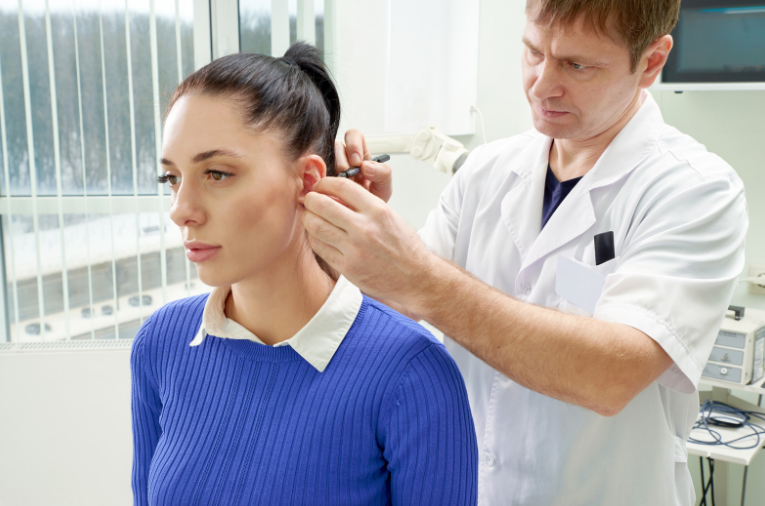
Recognizing TMJ dysfunction early is essential for effective treatment. Common signs include jaw pain or tenderness, difficulty opening or closing the mouth, clicking or popping sounds when moving the jaw, headaches, and facial pain. If these symptoms persist, seeking professional evaluation is recommended. Physical therapists specializing in TMJ disorders offer targeted approaches to address both the underlying causes and the resulting discomfort.
Causes and Risk Factors of TMJ Dysfunction
TMJ dysfunction has multiple contributing factors, making it a complex condition to diagnose. Jaw injuries, such as fractures or dislocations, can directly damage the joint. Chronic clenching or grinding of the teeth, often related to stress or sleep disorders, can strain the surrounding muscles. Misaligned teeth or bite issues can create uneven pressure on the jaw, leading to pain over time.
Arthritis affecting the temporomandibular joint can also trigger TMD, causing inflammation and limited mobility. Genetics may influence joint structure or muscle function, making some individuals more susceptible. Poor posture, particularly in the neck and upper back, can contribute to tension in jaw muscles, exacerbating symptoms.
Understanding risk factors is critical for identifying TMJ dysfunction and implementing a targeted treatment plan. People experiencing frequent jaw pain, chronic headaches, or difficulty chewing should consider consulting a physical therapist specializing in TMJ treatment Fishers to address these issues early.
Symptoms of TMJ Dysfunction
Jaw pain is the most common symptom of TMD, but the condition can manifest in multiple ways. Many patients report:
- Clicking, popping, or grinding sounds when moving the jaw
- Limited jaw movement or difficulty fully opening the mouth
- Facial pain or tenderness, particularly around the jaw and temples
- Headaches or earaches
- Neck and shoulder tension
Symptoms may be intermittent or persistent, and severity can vary depending on the underlying cause. Early intervention is essential to prevent worsening symptoms and improve overall quality of life. Patients who experience jaw discomfort along with headaches or facial pain often benefit from physical therapy that targets both the jaw and associated muscle groups.
Benefits of TMJ Treatment Fishers
TMJ treatment Fishers focuses on reducing pain, restoring normal jaw function, and addressing underlying causes. Physical therapy offers a non-surgical approach that targets both the joint and surrounding muscles. Therapists work to alleviate muscle tension, improve jaw mobility, and teach patients techniques to prevent further strain.
Physical therapy plans are individualized based on the severity of symptoms and contributing factors. Treatments often include manual therapy, jaw exercises, soft tissue massage, myofascial release, and dry needling. These techniques help relax tight muscles, reduce inflammation, and improve overall function of the jaw and neck.
Patients also learn strategies to manage stress, reduce teeth grinding, and improve posture. Consistent therapy can lead to long-term relief, fewer flare-ups, and improved daily comfort. TMJ treatment Fishers emphasizes restoring natural jaw movement while minimizing pain and preventing further joint complications.
Home Care and Self-Management
While professional treatment is critical, patients can support recovery through home care strategies. Applying ice to the jaw, practicing gentle jaw stretches, and avoiding hard or chewy foods can reduce discomfort. Over-the-counter pain medications may help manage temporary pain, but long-term relief often requires structured therapy.
Stress management is essential for people prone to jaw clenching. Techniques such as deep breathing, meditation, and posture awareness can prevent excessive strain on jaw muscles. Patients are encouraged to monitor habits that contribute to TMD, including teeth grinding and chewing gum, to minimize flare-ups.
Physical Therapy Techniques for TMJ Dysfunction
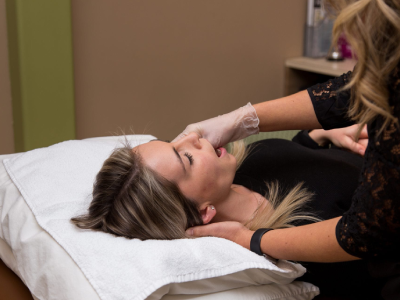
Physical therapists use a variety of techniques to address TMJ dysfunction. Manual therapy involves hands-on manipulation of jaw and neck muscles to release tension and improve mobility. Myofascial release targets connective tissue restrictions, reducing pain and enhancing movement.
Dry needling can relieve muscle tightness and trigger points that contribute to jaw pain. Therapists also guide patients through specific jaw exercises designed to improve strength, flexibility, and coordination. These exercises often focus on controlled opening and closing movements, lateral jaw motions, and resistance training to stabilize the joint.
Therapeutic modalities, such as heat, ultrasound, or electrical stimulation, may be used to reduce pain and inflammation. Combining these approaches ensures a comprehensive treatment plan that addresses both immediate discomfort and long-term functional improvement.
When to Seek Medical Intervention
Some cases of TMJ dysfunction require medical or dental intervention beyond physical therapy. Patients experiencing severe pain, persistent jaw locking, or swelling may need imaging studies or dental evaluations. Muscle relaxants, anti-inflammatory medications, or dental splints can complement physical therapy efforts.
Early treatment prevents chronic issues, reduces the risk of permanent joint changes, and improves outcomes. TMJ treatment Fishers emphasizes collaboration between physical therapists, dentists, and physicians to ensure patients receive the most effective care tailored to their individual needs.
Why Choose OPTCI for TMJ Treatment Fishers
Osteopractic Physical Therapy of Central Indiana (OPTCI) specializes in evaluating and treating TMJ dysfunction. Therapists at OPTCI have extensive experience addressing jaw pain, restoring mobility, and reducing daily stress on the jaw. Each patient receives a personalized treatment plan that targets the root causes of discomfort while improving overall function.
OPTCI focuses on combining manual therapy, exercises, and therapeutic modalities to provide long-lasting relief. Patients benefit from expert guidance, consistent monitoring, and support throughout recovery. Choosing OPTCI for TMJ treatment Fishers ensures access to experienced professionals who understand the complexities of jaw disorders and prioritize patient comfort and results.
Frequently Asked Questions (FAQ)
What is the difference between TMJ and TMD?
TMJ refers to the temporomandibular joint itself, while TMD describes a disorder affecting the joint and surrounding muscles.
How long does physical therapy for TMJ take?
The duration varies depending on severity. Many patients see improvement within a few weeks, while more complex cases may require several months of therapy.
Can TMJ be treated without surgery?
Yes. Most TMJ cases respond well to non-surgical treatments, including physical therapy, exercises, manual therapy, and stress management techniques.
Are there lifestyle changes that help with TMJ?
Avoiding hard or chewy foods, reducing jaw clenching, practicing stress management, and maintaining good posture can all support recovery and prevent flare-ups.
How do I schedule TMJ treatment Fishers at OPTCI?
Patients can contact OPTCI directly to schedule an evaluation and personalized treatment plan tailored to their specific needs.
Is TMJ treatment covered by insurance?
Many insurance plans cover physical therapy for TMJ dysfunction. Patients should check with their provider and OPTCI staff for coverage details.