Jaw pain, stiffness, and difficulty chewing can interfere with daily life, making simple tasks uncomfortable or even painful. Many people experiencing these symptoms are affected by temporomandibular joint dysfunction, commonly known as TMD. While often referred to as “TMJ,” this term technically describes the joint itself, not the disorder. TMD impacts over 10 million people in the United States, with women more frequently affected and most diagnoses occurring between ages 20 and 40. Those seeking effective care for jaw pain often search for TMJ treatment Fishers, and Osteopractic Physical Therapy of Central Indiana (OPTCI) provides specialized solutions to help patients regain comfort and function.
Understanding TMJ dysfunction is essential for recognizing the signs and knowing when to seek care. Jaw disorders can range from mild discomfort to severe pain that limits the ability to eat, speak, or even open the mouth fully. Seeking professional treatment early can prevent further complications and restore normal jaw movement. OPTCI focuses on addressing the underlying causes of TMJ dysfunction through personalized physical therapy programs tailored to each patient’s needs.
What is TMJ Dysfunction?
Temporomandibular joint dysfunction affects the hinge that connects the jaw to the skull, which allows essential movements such as opening, closing, and chewing. TMD occurs when this joint or the surrounding muscles become strained or misaligned, leading to discomfort, stiffness, or pain. Common causes of TMJ dysfunction include genetics, arthritis, jaw injuries, teeth grinding, chronic jaw clenching, poor posture, and misaligned teeth.
Symptoms of TMD vary widely. Jaw pain is the most frequently reported complaint, but patients may also experience popping or clicking sounds, stiffness, difficulty chewing, headaches, or even ear discomfort. These symptoms can be temporary, appearing only during stress or after chewing hard foods, or persistent, lasting months or years if left untreated.
Because TMJ dysfunction shares symptoms with other conditions, it is crucial to seek professional evaluation for accurate diagnosis. OPTCI provides comprehensive assessments to determine the specific factors contributing to jaw pain, allowing therapists to develop effective treatment strategies.
How TMJ is Diagnosed
Diagnosing TMJ dysfunction often requires a careful physical examination and review of a patient’s medical history. Physicians may refer patients to dentists or ear, nose, and throat specialists to rule out other conditions that mimic TMD symptoms, such as trigeminal neuralgia, salivary gland disease, or swollen lymph nodes.
During a physical evaluation, a therapist will assess jaw movement, measure range of motion, and check for tenderness or tightness in the surrounding muscles. The therapist may also evaluate posture, neck alignment, and teeth alignment, as these factors can contribute to TMJ dysfunction. Because the causes of TMD are multifactorial, a thorough assessment ensures that the treatment plan targets the root of the problem, rather than only managing symptoms.
Patients searching for TMJ treatment Fishers can trust OPTCI to provide a comprehensive diagnosis that considers every aspect of jaw health. By identifying the underlying causes, therapists can develop personalized interventions that relieve pain and restore function efficiently.
Physical Therapy for TMJ
Physical therapy is a proven, non-surgical approach to managing TMJ dysfunction. At OPTCI, therapists design individualized programs to reduce pain, improve jaw mobility, and prevent recurring issues. The goal of therapy is not only to relieve symptoms but also to restore normal function to the jaw, neck, and surrounding muscles.
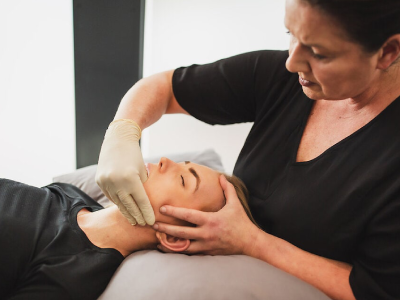
Treatment for TMD typically includes a combination of hands-on techniques and exercise programs. Manual therapy allows therapists to gently manipulate the jaw and surrounding tissues to improve mobility and decrease tension. Soft tissue massage and myofascial release target tight muscles that contribute to discomfort and limited movement. These techniques help release chronic tension, reducing pain and improving overall jaw function.
Jaw exercises form an essential part of TMJ treatment Fishers. Therapists instruct patients on exercises designed to strengthen and stretch the jaw muscles, increase range of motion, and improve coordination. Consistent practice at home enhances therapy results and ensures long-term improvement. Dry needling may also be incorporated when appropriate to address trigger points and alleviate deep muscle tension.
Therapists at OPTCI use a holistic approach, addressing the relationship between the jaw, neck, and head. Many patients with TMD also experience neck pain, headaches, or posture-related issues. By treating these interconnected areas, physical therapy provides relief not only to the jaw but also to secondary symptoms, offering a more complete and lasting solution.
Additional Treatment Options
While physical therapy often provides the most comprehensive and long-lasting results, some patients benefit from additional interventions. At-home strategies such as ice packs and over-the-counter pain medications can offer temporary relief, particularly during flare-ups. Stress management techniques can also reduce jaw clenching and prevent symptom escalation.
When symptoms persist despite conservative measures, medical interventions may be necessary. Muscle relaxers or anti-inflammatory medications can reduce swelling and relieve pain. Dental splints may also be recommended to prevent teeth grinding and correct misalignment. Combining these approaches with physical therapy ensures patients receive comprehensive care that addresses both symptoms and causes of TMJ dysfunction.
Patients seeking TMJ treatment Fishers will find that OPTCI integrates these methods into a tailored care plan, using physical therapy as the foundation while incorporating additional treatments when needed for optimal results.
Why Choose OPTCI for TMJ Treatment Fishers
OPTCI provides specialized care for patients with jaw pain, combining clinical expertise with hands-on, personalized treatment. Therapists have extensive experience evaluating jaw mobility, identifying muscle tension, and creating individualized therapy plans. Every patient receives a program designed to target their unique needs, focusing on reducing pain, improving mobility, and restoring quality of life.
Unlike generic approaches, OPTCI emphasizes a detailed assessment of jaw and neck function, ensuring all contributing factors are addressed. Therapists work closely with patients to educate them about their condition, teach exercises, and monitor progress throughout treatment. This combination of expert guidance, practical instruction, and ongoing support allows patients to regain confidence in their jaw function.
Patients searching for TMJ treatment Fishers will benefit from OPTCI’s commitment to patient-centered care. The clinic’s approach balances hands-on techniques, home exercise programs, and lifestyle recommendations to provide a comprehensive solution that promotes long-term relief and improved jaw health.
Steps to Start TMJ Treatment Fishers
Starting treatment at OPTCI is straightforward. Patients can request an appointment online or by phone to schedule an initial evaluation. During this visit, therapists will assess jaw function, identify contributing factors, and develop a customized therapy plan.
Treatment begins immediately, with strategies designed to relieve pain, restore mobility, and improve daily function. Patients are encouraged to actively participate in exercises and follow therapist guidance to maximize results. Consistent therapy and adherence to the recommended plan often lead to noticeable improvements in a few weeks, with continued progress over several months.
Choosing OPTCI for TMJ treatment Fishers means gaining access to a team of experienced therapists who focus on long-term relief and comprehensive care. By addressing the underlying causes of TMD, patients can achieve lasting results and return to daily activities without discomfort or limitations.
Takeaway
Jaw pain, stiffness, and difficulty chewing are not problems that need to be tolerated. TMJ treatment Fishers at Osteopractic Physical Therapy of Central Indiana offers a comprehensive, non-surgical approach that addresses the root causes of TMD while relieving pain and improving jaw function. Personalized therapy plans, hands-on techniques, and targeted exercises help patients regain comfort and confidence. Those struggling with jaw dysfunction can take the first step toward lasting relief by contacting OPTCI to schedule an evaluation and begin their journey toward better jaw health.
FAQ About TMJ Treatment Fishers
How long does TMJ treatment take?
The duration of therapy depends on the severity of the condition and the patient’s response to treatment. Most patients notice improvements within a few weeks, while complete resolution may take several months. Consistent exercises and adherence to the therapy plan accelerate recovery.
Can TMJ cause headaches?
Yes, TMJ dysfunction often causes tension headaches or migraines due to muscle strain in the jaw, neck, and head. Physical therapy targeting these areas can help reduce headache frequency and intensity.
Is physical therapy better than surgery for TMJ?
For most patients, non-surgical treatment, including physical therapy, is highly effective in relieving pain and restoring jaw function. Surgery is typically reserved for severe cases that do not respond to conservative care.
What exercises are included in TMJ treatment Fishers?
Exercises focus on strengthening jaw muscles, improving range of motion, and promoting relaxation of tight muscles. Therapists provide personalized routines that can be performed at home to enhance therapy results.
Can TMJ treatment Fishers prevent future jaw problems?
Yes, physical therapy not only addresses current symptoms but also teaches techniques to reduce strain and prevent recurrence. Maintaining proper posture, practicing jaw exercises, and managing stress all contribute to long-term jaw health.
Does insurance cover TMJ treatment Fishers?
Many insurance plans cover physical therapy for TMD, though coverage varies. OPTCI can assist patients in verifying benefits and determining coverage for their treatment plan.