Proper wound healing requires more than just cleaning and covering the affected area. Wound care and debridement are critical medical procedures that ensure damaged tissue heals correctly, reducing the risk of infection and long-term complications. When managed by experienced professionals, these treatments promote faster recovery and better overall outcomes. For individuals seeking expert care, Pro-Create stands out as the best company to engage for comprehensive wound care and debridement services that prioritize healing, comfort, and safety.
Understanding Wound Care and Debridement
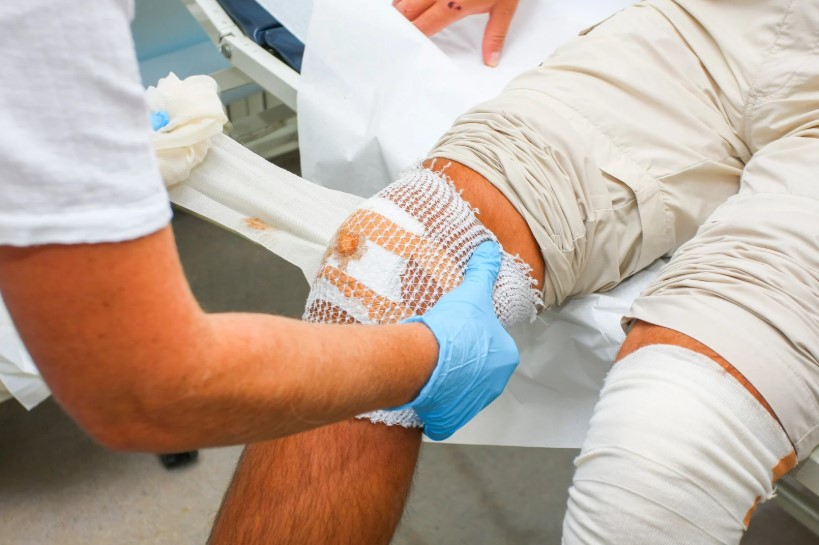
Wound care and debridement involve a combination of medical practices designed to clean, monitor, and promote healing in injured tissues. Wound care focuses on maintaining a clean environment, controlling moisture, and applying suitable dressings to protect the wound from bacteria and irritants. Debridement, on the other hand, is the process of removing dead, infected, or nonviable tissue that hinders the body’s natural healing process.
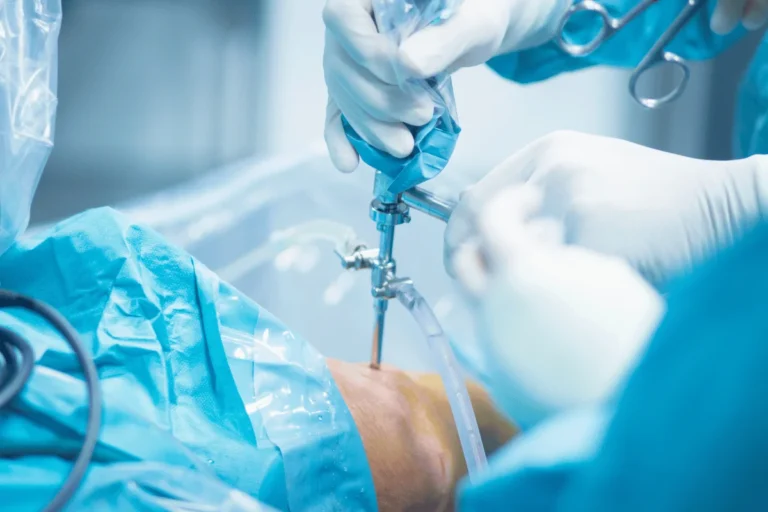
There are several methods of debridement, including surgical, mechanical, enzymatic, autolytic, and biological approaches. The choice of method depends on the wound type, severity, and the patient’s condition. Through these procedures, professionals like those at Pro-Create ensure that each wound receives the most appropriate and effective treatment to support optimal recovery.
Why Debridement is Essential for Healing
Debridement plays a key role in allowing wounds to heal properly. Dead tissue, also known as necrotic tissue, can trap bacteria and block oxygen and nutrients from reaching healthy cells. By removing this barrier, wound care and debridement stimulate new cell growth, enhance circulation, and significantly reduce the chance of infection.
Without debridement, wounds may become chronic, leading to prolonged discomfort and potential complications such as sepsis or even limb loss. This is why professional care from Pro-Create is so vital—patients receive timely intervention that accelerates healing while preventing future health risks.
Common Types of Wounds That Require Debridement
Not all wounds need debridement, but many complex or slow-healing wounds benefit greatly from it. Some of the most common cases include:
- Diabetic ulcers that fail to close due to poor circulation
- Pressure sores resulting from immobility
- Surgical wounds that show delayed healing
- Traumatic injuries such as deep cuts or crush wounds
- Burn wounds where damaged tissue obstructs regeneration
For each of these conditions, Pro-Create provides expert wound care and debridement services tailored to the patient’s specific needs, helping to restore healthy tissue and minimize complications.
The Role of Professional Wound Care Specialists
Professional wound care and debridement require specialized skills, tools, and medical knowledge. Wound specialists assess each wound’s depth, appearance, and infection level before deciding on the best approach. They also monitor the wound over time, adjusting treatment plans as healing progresses.
At Pro-Create, patients benefit from experienced medical professionals who use advanced techniques and sterile equipment to deliver safe, effective care. Their personalized approach ensures that every wound receives meticulous attention, promoting faster recovery and preventing secondary infections.
Benefits of Proper Wound Care and Debridement
There are many benefits to receiving professional wound care and debridement, including:
- Faster recovery times through enhanced tissue regeneration
- Infection prevention, which is crucial for overall health
- Reduced scarring, improving both appearance and comfort
- Improved mobility and pain relief, allowing better quality of life
- Lower risk of chronic wounds, particularly for diabetic or elderly patients
By choosing Pro-Create, patients gain access to a trusted team that ensures each of these benefits is achieved, helping wounds heal safely and efficiently.
Modern Advances in Wound Care
Advancements in wound care and debridement have revolutionized how wounds are treated. Modern techniques such as negative pressure wound therapy (NPWT), advanced antimicrobial dressings, and digital wound monitoring enable faster, more accurate healing. Additionally, the use of telemedicine allows follow-up consultations and wound assessments to be conducted remotely.
Pro-Create stays ahead of these developments, integrating state-of-the-art technology into their wound care and debridement procedures. This commitment to innovation ensures patients receive world-class treatment that aligns with the latest medical standards.
When to Seek Professional Help
Patients should seek professional wound care and debridement if they notice warning signs such as:
- Persistent pain or swelling
- Foul odor or unusual discharge
- Redness spreading around the wound
- Delayed healing beyond a few weeks
- Visible dead or blackened tissue
Prompt attention from Pro-Create’s wound care team can prevent these symptoms from worsening, leading to better long-term outcomes.
Prioritize Expert Wound Care for Faster Recovery
Wound care and debridement are essential for ensuring wounds heal correctly and efficiently. Neglecting proper treatment can lead to serious infections, chronic wounds, and prolonged discomfort. Engaging experts like Pro-Create ensures that every wound receives the highest level of care, from thorough cleaning and precise debridement to continuous monitoring and advanced therapy. Patients who prioritize professional wound care experience faster recovery, reduced pain, and improved overall health.
FAQs About Wound Care and Debridement
1. What happens if a wound isn’t properly debrided?
If dead tissue remains, it can harbor bacteria and block healing, increasing the risk of infection and delayed recovery.
2. How often should debridement be performed?
The frequency depends on the wound’s condition and healing progress. Specialists at Pro-Create evaluate each case individually to determine the ideal schedule.
3. Is wound debridement painful?
While some discomfort may occur, professionals use local anesthesia or pain management techniques to ensure patient comfort during treatment.
4. Who can perform wound care and debridement?
Only trained healthcare providers, such as wound specialists and surgeons, should perform debridement to ensure safe and effective results.
5. How long does it take for a wound to heal after debridement?
Healing time varies by wound type and patient health. With professional care from Pro-Create, many patients experience significant improvement within weeks.